Gold remains one of the most trusted assets for long-term wealth preservation and financial security.
Learn why gold remains a strategic asset in the economy, with insights into its physical properties, supply dynamics, and industrial applications.
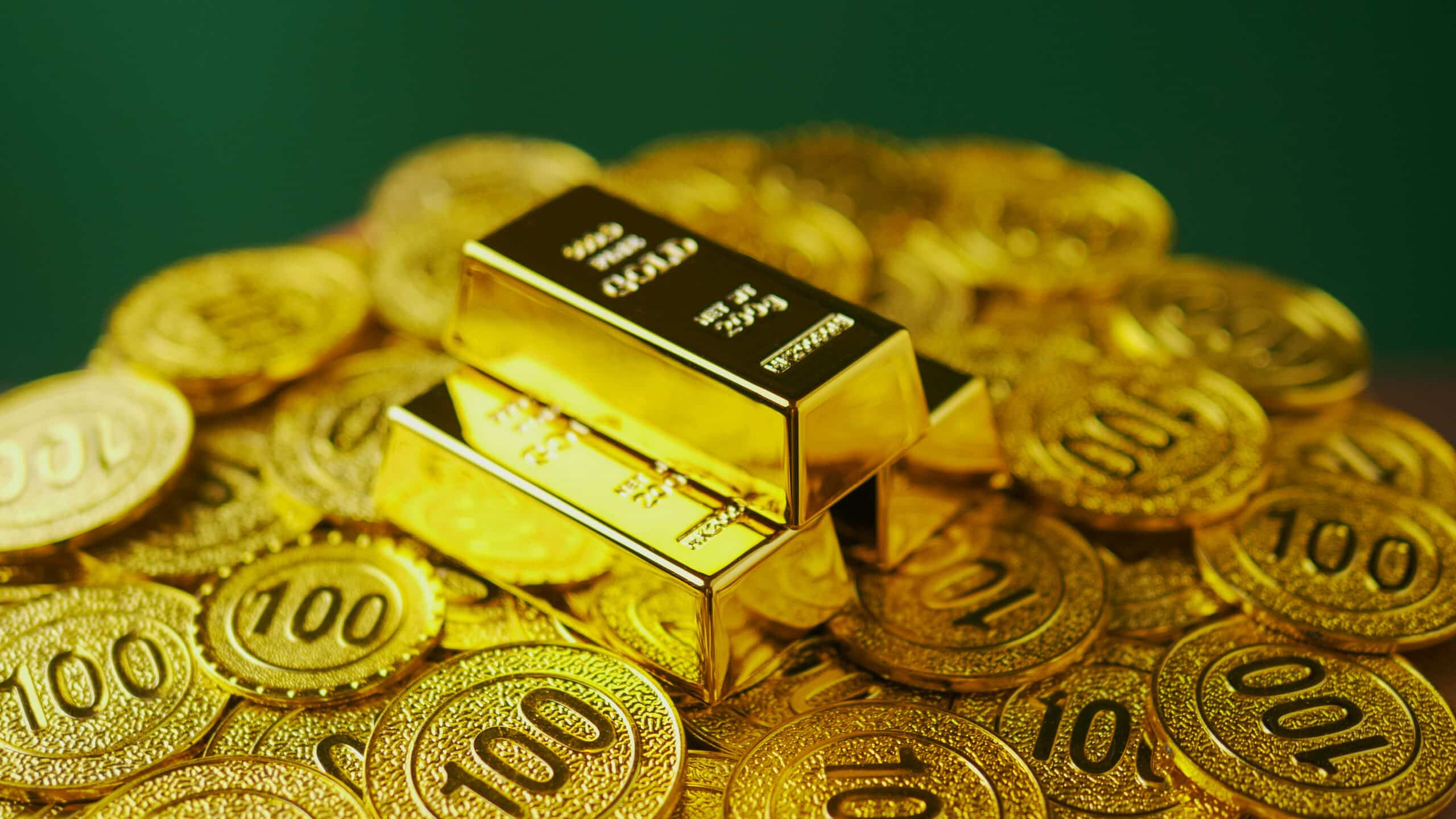
The global above-ground stockpile of gold is estimated at approximately 201,000 tonnes, according to the World Gold Council. This staggering figure not only quantifies gold’s enduring value but also underscores its strategic significance as both a store of wealth and a critical industrial input.
As an entrepreneur, investor, or business leader, understanding the multifaceted role gold plays in the global economy can sharpen your strategic decision-making and investment insights.
Gold is more than a precious metal; it is a strategic asset that intersects with macroeconomic trends, geopolitical developments, and sector-specific dynamics.

Its unique combination of physical propertiessuch as being the only yellow metal that is both highly malleable and corrosion-resistant makes it indispensable in industries ranging from electronics to luxury goods.
Moreover, gold’s historical role as a safe haven asset during economic uncertainty means its price movements can signal broader market sentiment, influencing investment portfolios and business strategies.
Nearly all the gold on Earth came from meteorites that bombarded the planet more than 4 billion years ago. This cosmic origin makes gold truly unique among metals found on our planet. It’s a fascinating reminder of the metal’s extraterrestrial beginnings.
All the gold ever mined throughout human history would fit into a cube roughly 21.7 meters (71 feet) on each side. This compact volume highlights just how rare and precious gold is. Despite centuries of mining, gold’s total quantity remains surprisingly limited.
Gold stands out as the only yellow metal that is both extremely malleable and resistant to corrosion. It can be hammered into ultra-thin sheets known as gold leaf, used in art and industry. Its durability ensures it retains its shine and value over time.
Unlike most metals, gold does not react with air or water to rust or tarnish. This chemical inertness is why ancient gold artifacts still gleam today. Its resistance to corrosion contributes to its lasting appeal and value.
Approximately 50% of all newly mined gold is crafted into jewelry worldwide. Gold jewelry symbolizes wealth, status, and timeless beauty across cultures. The remaining gold is used for investments and various industrial applications.
Gold’s excellent electrical conductivity and resistance to corrosion make it ideal for use in electronics. It is commonly used in connectors, switches, and circuit boards to ensure reliable performance. Even small amounts of gold in devices help maintain long-term functionality.
Gold is non-toxic and safe for use in medical treatments, including therapies for arthritis and certain cancers. Its inert nature means it doesn’t react adversely inside the human body. This makes gold valuable not only as a metal but also as a medicinal element.
The human body contains trace amounts of gold, approximately 0.2% by weight. Although tiny, this presence is part of the many abundant elements that make up our biology. Gold’s role in the body is still a subject of scientific interest.
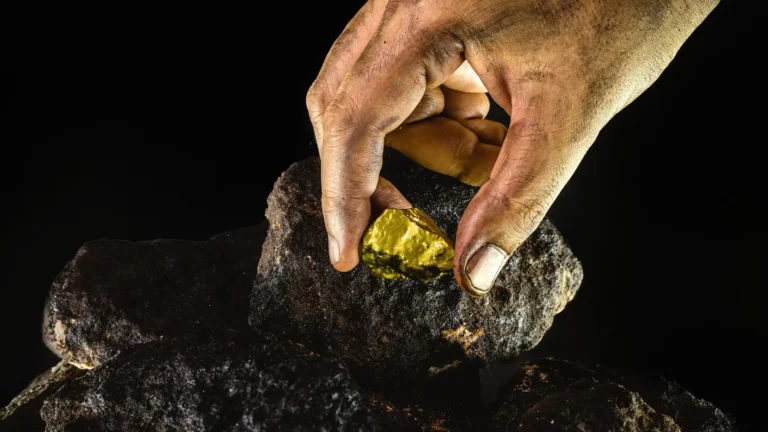
Natural gold nuggets are rare due to the difficulty of finding and extracting them. Their scarcity often makes them more valuable than refined gold by weight. Collectors and investors prize nuggets for their uniqueness and natural beauty.
The world’s oceans hold millions of tons of gold dissolved in seawater. However, the concentration is extremely low, making extraction economically unfeasible with current technology. This vast but inaccessible supply adds to gold’s mystique and rarity.
Understanding the scale of gold supply is critical. The total amount of gold ever mined would fit into a cuberoughly 21.7 meters on each side, illustrating the metal’s rarity and concentrated value.
Annual gold production currently hovers around 3,000 tonnes, sourced from diverse gold deposits across continents including Australia, China, Russia, and Canada.
Central banks and ETFs hold significant portions of this supply, affecting liquidity and price stability. Tracking these stockpiles alongside production trends helps anticipate shifts in availability and market behavior.
Gold’s status as a noble metal stems from its chemical inertness it does not rust, tarnish, or corrode in air or water, unlike most metals.
This inertness, combined with its atomic number 79 and single stable isotope, contributes to its longevity as a store of value.
Its melting point of 1,064°C and extreme malleability allow it to be fashioned into gold leaf or fine gold flakes, used in both decorative arts and industrial applications.
Furthermore, gold’s excellent electrical conductivity makes it vital in electronics, where small quantities of gold particles ensure reliable connections.
Approximately half of all newly mined gold is used in jewelry, reflecting cultural and economic factors across continents.
The purity of gold jewelry is measured in karats, with gold alloys blended with other metals like copper and palladium to enhance durability and color.
Industrially, gold’s resistance to intense heat and corrosion makes it a preferred material for high-performance connectors and components.
Understanding these demand drivers provides insight into gold’s price resilience and cyclical trends.
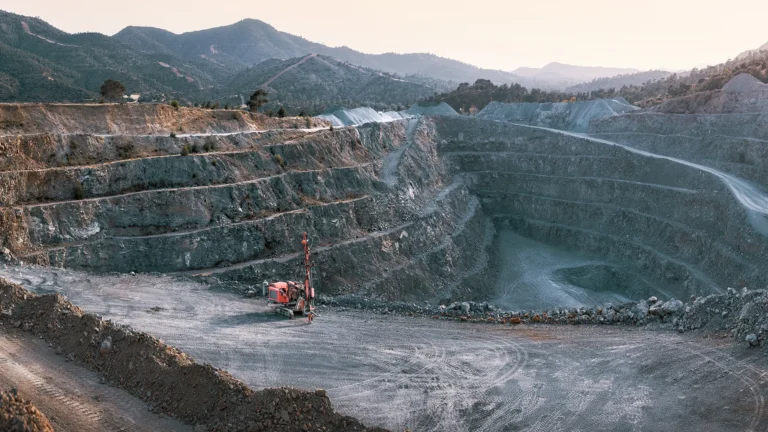
Gold mining involves extracting gold ore from various deposits, often requiring significant energy and chemical inputs such as cyanide leaching.
While recycling gold from e-waste and old jewelry helps recover gold particles and reduce environmental impact, the economics of gold recovery remain complex.
Awareness of these factors is crucial for businesses considering sustainability alongside profitability in the gold supply chain.
As you navigate the complexities of gold markets, consider gold’s dual role as both a tangible asset and an industrial commodity.
Monitor geopolitical risks that could disrupt gold production regions, track central bank policies influencing gold reserves, and evaluate technological advances that may affect demand for gold alloys and electronics.
Integrating these insights into your strategic planning can enhance resilience and capitalize on gold’s enduring value.
Gold’s chemical inertness, rarity, and historical role as a store of value distinguish it from other precious metals. Unlike silver or platinum, gold does not tarnish or corrode, maintaining its luster and value over centuries. Additionally, gold’s liquidity and acceptance as a safe haven asset during economic downturns provide stability that other metals may lack.
Gold purity is measured in karats, with 24 karats representing pure gold. Lower karat values indicate the presence of gold alloys, which improve hardness and durability but reduce gold content. For investors and consumers, understanding purity helps assess value, durability, and suitability for specific uses such as jewelry or industrial applications.
While traditional gold mining poses environmental challenges, including chemical use and energy consumption, advances in recycling gold from electronic waste and old jewelry improve sustainability. Responsible sourcing initiatives and certifications also promote environmentally and socially conscious gold production.
Gold production from mining and recycling directly influences supply. Disruptions in major gold-producing regions or shifts in recycling rates can tighten supply, impacting prices. Additionally, central bank buying or selling and investment demand through ETFs influence market liquidity and price volatility.
Gold tends to retain or increase its value during times of economic uncertainty, inflation, or geopolitical instability. Its physical properties, limited supply, and widespread acceptance make it a reliable store of wealth when other assets may falter.

Written by
Nonofo Joel, a Business Analyst at Brimco, has a passion for mineral economics and business innovation. He also serves on the Lehikeng Board as a champion of African human capital growth.
August 27, 2026
How to Determine the Value of Your Mineral RightsMarch 6, 2026
Surface Mining Pros and Cons: Methods, Impacts, and Trade-OffsExplore the advantages and drawbacks of surface mining in this comprehensive overview. Gain insights to make informed decisions.