African airlines recorded a 4.7% rise in air cargo volumes in September 2026 despite persistent capacity constraints and currency headwinds, trailing global demand expansion of 7.7%.
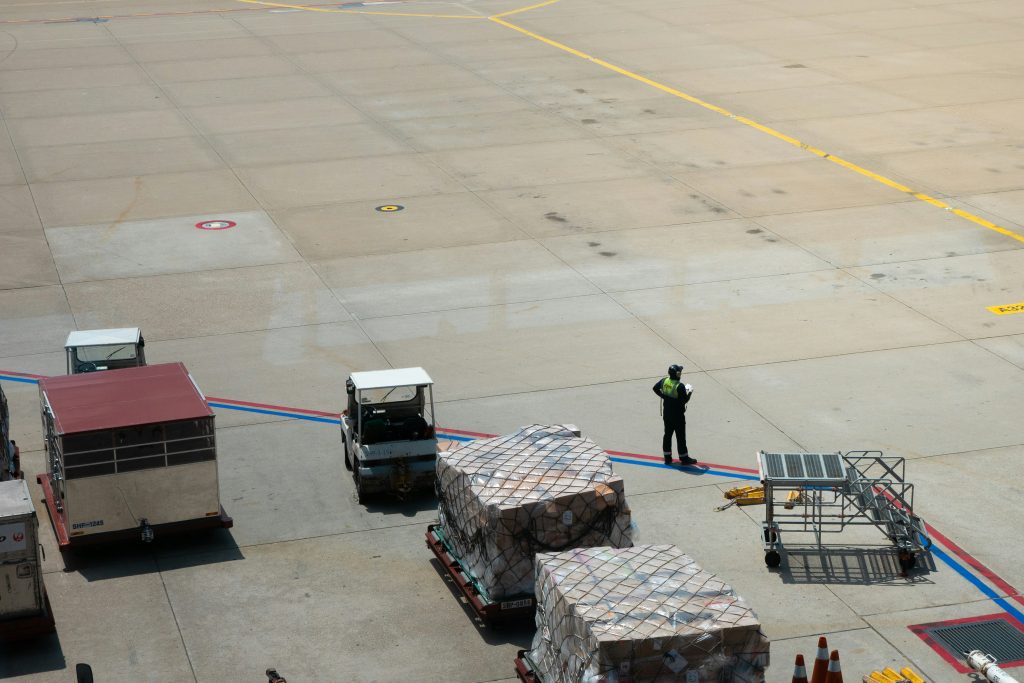
LAGOS, Nigeria: African airlines expanded air cargo demand by 4.7% year-on-year in September 2026 in the industry market data, outpacing local infrastructure bottlenecks. The freight growth arrived as regional carriers contended with volatile aircraft availability and escalating operational overhead across key commercial hubs.

The expansion occurred alongside an ongoing contraction in overall cargo capacity in the IATA air cargo report, intensifying pressure on carriers managing elevated jet fuel costs. Tighter hold space has forced operators to ration payload allocations across secondary intra-African transit corridors. This structural mismatch limits immediate revenue gains despite resilient underlying merchant appetite for rapid transit.
Worldwide air cargo demand expanded by 7.7% during the same month in the aviation trade assessment, led by robust industrial output from East Asian export hubs. Continental airlines lagged that global pace as localized currency depreciation increased hard-currency maintenance expenditures. These dual cost pressures continue to compress carrier margins while broader international supply chains normalize.
Logistics providers in Lagos and Accra face intensifying margin compression as diminished air capacity coincides with sustained import demand for pharmaceuticals and technology components. Central Bank of Nigeria monetary tightening and naira exchange-rate adjustments have increased trade financing friction for freight forwarders. These financial strains limit the ability of domestic intermediaries to secure long-term cargo space guarantees.
Traders across the Economic Community of West African States region must manage steeper freight tariffs as airlines implement premium rates to balance reduced payload availability. The resulting transport surcharges add friction to regional wholesale distribution networks during seasonal restocking periods. Commercial buyers face prolonged delivery intervals as widebody aircraft allocations favor high-volume European routes.
Elevated domestic borrowing rates and constrained dollar liquidity in major West African banking hubs impede direct capital deployment toward fleet modernization. Without dedicated balance-sheet expansion or bilateral aviation pacts, regional airlines risk surrendering lucrative cargo traffic to better-capitalized foreign carriers. Sustained infrastructure investments remain necessary to restore balanced commercial freight operations across regional airports.

Written by
Tumisang Bogwasi, Founder & CEO of Brimco. 2X Award-Winning Entrepreneur. It all started with a popsicle stand.