


Escalating military strikes in northern Ukraine threaten Black Sea agricultural transit routes, driving up freight and insurance costs for North and East African grain importers while complicating fiscal and monetary management across the continent.
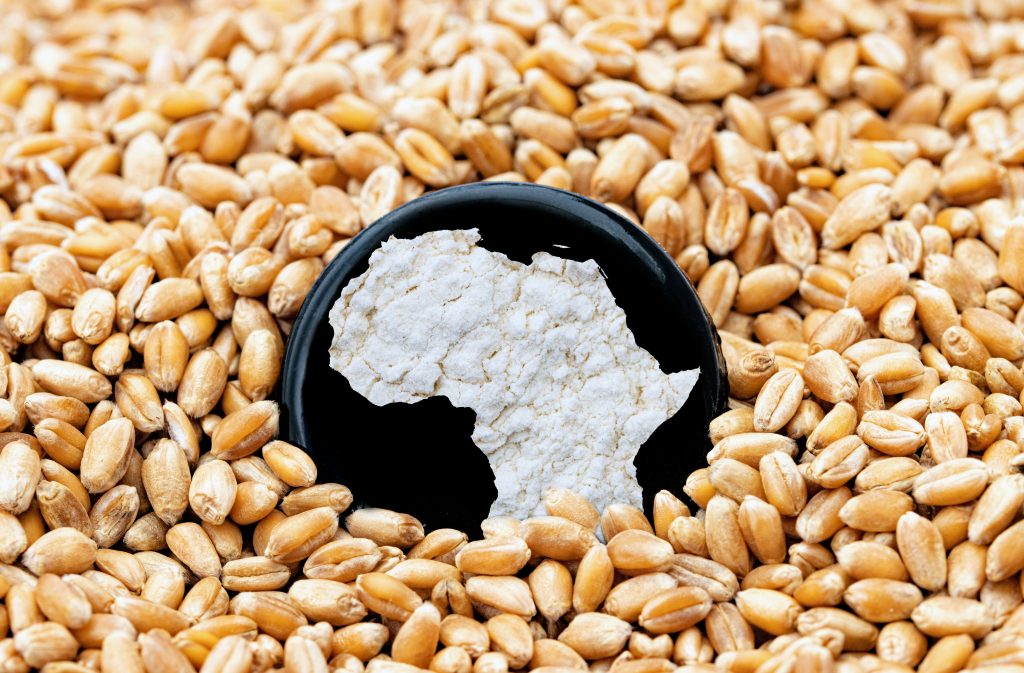
Cairo, Egypt: African grain importers and state procurement desks face renewed supply disruptions after an attack in northern Ukraine killed two teenagers and injured 23 people in a regional conflict report. The strike signals prolonged operational hazards across vital Black Sea trade corridors.

The physical destruction of urban logistics nodes threatens agricultural corridors supplying North and East Africa. Persistent volatility complicates import parity pricing for sovereign grain agencies managing delicate balance-of-payments positions. Rising transport costs also compress fiscal space across developing nations confronting elevated borrowing charges.
The kinetic impact in Chernihiv targets critical municipal links and raises security assessments across nearby transit routes. International logistics providers frequently reassess crew risk premiums and route accessibility when operations near active combat areas. These disruptions immediately transmit into higher spot rates for bulk carriers serving Mediterranean ports.
Rising freight expenses compound pressure on state grain reserves that depend on Black Sea wheat shipments. Financial institutions note that commercial lenders must allocate expanded credit lines to back sovereign letters of credit. Without steady agricultural throughput, treasury departments face wider current-account deficits during the fiscal year.
Nations across North Africa, led by Egypt and Tunisia, absorb substantial volumes of Ukrainian grain and remain vulnerable to shipping interruptions. Marine insurers elevate war-risk premiums whenever infrastructure sustains kinetic damage, directly increasing landed procurement costs for state buyers. Such recurring price spikes destabilize domestic food subsidy allocations and strain sovereign budgets.
Sub-Saharan economies also face secondary cost pressures through the international fertilizer trade. Agricultural producers in East and West Africa rely on Black Sea urea and potash shipments to support seasonal crop yields. Supply curtailments threaten domestic harvest volumes and accelerate localized food inflation across regional retail markets.
Central banks in import-dependent markets face difficult policy trade-offs between defending foreign exchange reserves and containing imported inflation. Monetary authorities pursuing fiscal consolidation under international lending programs must navigate these external cost shocks without stifling private credit growth. Consequently, treasury officials are seeking bilateral financing agreements to guarantee essential grain inventories.

Written by
Tumisang Bogwasi, Founder & CEO of Brimco. 2X Award-Winning Entrepreneur. It all started with a popsicle stand.


