Major Asian economies, including India, Japan, and Singapore, face escalating economic risks from intensifying heatwaves and climate change, mirroring the recent significant mortality increases observed in France. The long-term financial implications for productivity, infrastructure, and public health are prompting increased investment in climate resilience across the region.
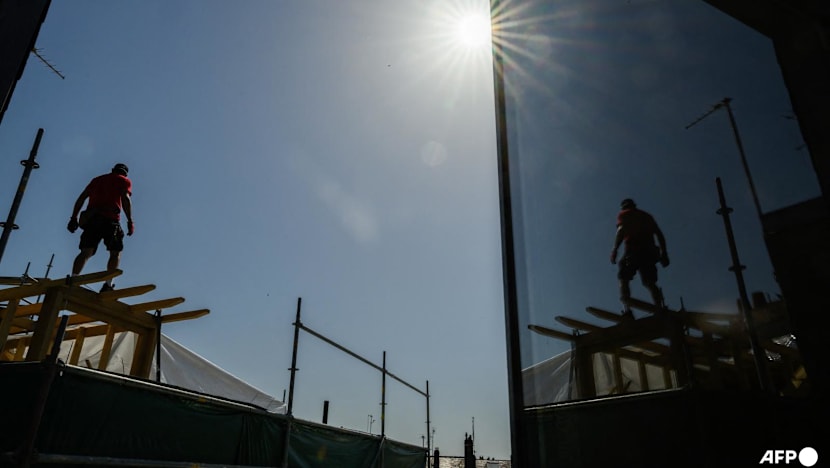
TOKYO, Japan – Major Asian financial hubs and industrial centers are increasingly exposed to the escalating economic and human costs of heatwaves, a risk highlighted by a recent significant mortality surge in France. The European nation recorded a 30 percent increase in deaths during a recent heatwave, with a 62 percent rise in the Paris region alone, underscoring the severe impact of extreme temperatures on public health and economic stability.
This alarming data serves as a critical warning for Asia, a region already experiencing some of the most profound effects of climate change. From the bustling streets of Mumbai to the high-tech industries of Tokyo and the critical infrastructure of Singapore, governments and businesses are bracing for sustained periods of extreme heat that threaten to impede economic growth, strain public services, and disrupt supply chains.

The economic impact of prolonged heat is multifaceted. In nations such as India, which frequently experiences severe heatwaves, agricultural productivity suffers due to crop damage and reduced outdoor labor capacity. Construction and manufacturing sectors also face significant operational challenges, directly affecting GDP growth. The International Labour Organization (ILO) has previously projected substantial productivity losses in regions prone to extreme heat, particularly impacting sectors reliant on manual labor.
Beyond productivity, heatwaves place immense pressure on energy grids as demand for air conditioning and cooling systems surges. This increased consumption can lead to blackouts, further disrupting business operations and daily life, requiring substantial investment in grid modernization and renewable energy sources. Singapore, for example, has committed significant resources to enhance its climate resilience and infrastructure against rising temperatures.
Public health systems in Japan and South Korea are also preparing for an increase in heat-related illnesses and fatalities, which can translate into higher healthcare costs and lost economic output. Businesses are reviewing supply chain vulnerabilities, with transportation and logistics particularly susceptible to extreme weather disruptions.
Governments across Asia-Pacific are increasingly incorporating climate adaptation into national economic strategies. Initiatives include developing early warning systems, promoting heat-resistant urban planning, and investing in green infrastructure. The Asian Development Bank (ADB) has highlighted the need for regional cooperation and increased capital allocation towards resilient infrastructure projects to mitigate future economic shocks.
Corporations are also adjusting operational models, investing in workplace cooling solutions, and re-evaluating insurance coverage for weather-related business interruptions. The transition to more sustainable energy sources is gaining momentum as a long-term solution to both mitigate climate change and stabilize energy supply during peak demand periods. These strategic shifts represent both a cost and an opportunity for innovation in the region’s capital markets.

Written by
Tumisang Bogwasi, Founder & CEO of Brimco. 2X Award-Winning Entrepreneur. It all started with a popsicle stand.