Cape Verde, an African island nation, achieved a historic 0-0 draw against European champions Spain in their World Cup debut, showcasing emerging global talent.
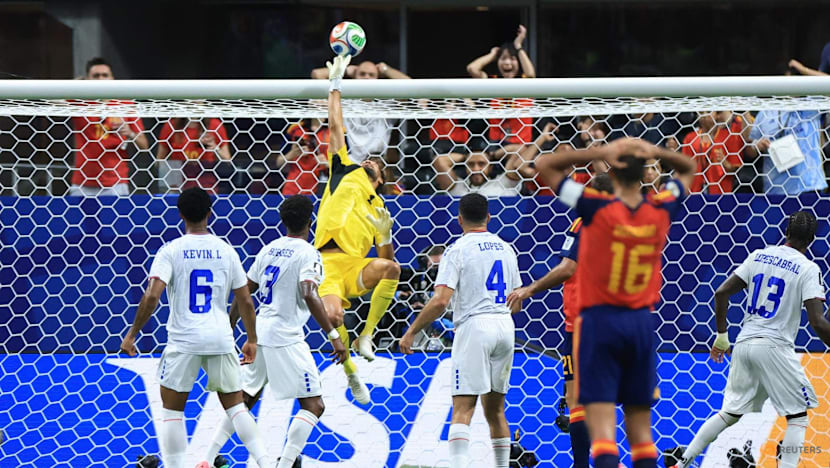
World Cup, USA – Cape Verde etched its name in World Cup history by holding European champions Spain to a remarkable 0-0 draw in their tournament debut. The match, which saw a defender recruited through LinkedIn and a veteran 40-year-old goalkeeper, underscores the growing competitiveness of emerging football nations on the global stage.

The performance by the Blue Sharks, as Cape Verde’s national team is known, marks a significant achievement for the small African island nation. Facing one of Europe’s footballing giants, Cape Verde’s disciplined defense and tactical approach neutralized Spain’s formidable attack. The team’s journey to the World Cup stage itself is a testament to perseverance, featuring players who have overcome diverse paths to reach this pinnacle of international football.
Key to Cape Verde’s defensive masterclass was the performance of its veteran goalkeeper, who at 40 years old, showcased exceptional skill and experience. The team also highlighted unconventional recruitment methods, with at least one player having been discovered and signed via professional networking platform LinkedIn. This approach, combined with the sheer determination of the squad, illustrates a modern era of football scouting and player development that transcends traditional pathways.
The draw not only signals a proud moment for Cape Verdean football but also contributes to a broader narrative of increasing parity in international sports. Teams from nations with smaller populations and resources are increasingly capable of competing with and achieving results against established powerhouses, challenging long-held perceptions of sporting hierarchies.
While this specific match did not directly involve Asian teams, the growing trend of underdog success in global sports, as exemplified by Cape Verde, has ripple effects across all regions. It encourages investment in grassroots football and talent development within Asian Football Confederation (AFC) member nations. The ability of teams like Cape Verde to reach and perform on the World Cup stage can inspire federations across Asia, including those in India and Southeast Asian countries, to re-evaluate their development strategies and to push for greater global competitiveness.
The financial and infrastructural investments required to nurture such talent are substantial. Nations seeking to replicate Cape Verde’s success will need to focus on long-term development programs, professionalize league structures, and enhance scouting networks, potentially leveraging digital platforms similar to how Cape Verde discovered some of its players.
This could stimulate greater cross-border collaboration and knowledge sharing within the Asian football community, from established leagues in Japan and South Korea to developing ones in India and ASEAN nations. The competitive pressure from emerging teams globally may also lead to increased viewership and commercial interest in Asian football leagues, as fans become more invested in diverse sporting narratives.
The strategic implications extend beyond the sport itself. Such achievements can boost national pride and international recognition, potentially leading to increased tourism, foreign investment, and diplomatic ties. For countries like India, with its vast population and growing economy, a strong showing in international football could unlock significant commercial opportunities and further integrate the nation into the global sporting economy. Similarly, for developed football nations in Asia like Japan and South Korea, the rising competition necessitates continuous innovation and investment to maintain their standing, ensuring a dynamic and evolving global football landscape.

Written by
Tumisang Bogwasi, Founder & CEO of Brimco. 2X Award-Winning Entrepreneur. It all started with a popsicle stand.