Congolese authorities face an accountability crisis after discovering a $700 million discrepancy in Ebola aid as an outbreak spreads, threatening future sovereign health allocations and cross-border trade in Central Africa.
KINSHASA, Democratic Republic of Congo – Congolese health authorities and regional monitors identified that $700 million in emergency Ebola aid remains unaccounted for in an African News report. The capital shortfall emerges as renewed transmission across eastern provinces strains the state healthcare network and municipal response teams.

The missing capital exposes systemic vulnerabilities in multilateral emergency disbursement pipelines, threatening sovereign health funding across central Africa. Donor institutions face immediate resistance to future capital allocations without verifiable accounting frameworks.
Frontline facilities report critical deficits in vaccine supplies, specialized treatment units, and basic clinical protective gear. The African Union and the African Development Bank demand comprehensive forensic audits of transfer pipelines before releasing further balance-of-payments relief.
The financial discrepancy threatens broader capital flows into sub-Saharan public health infrastructure and concessionary sovereign debt programs. Institutional donors often condition budget support on fiscal transparency, raising borrowing costs for regional governments that rely on grant mechanisms.
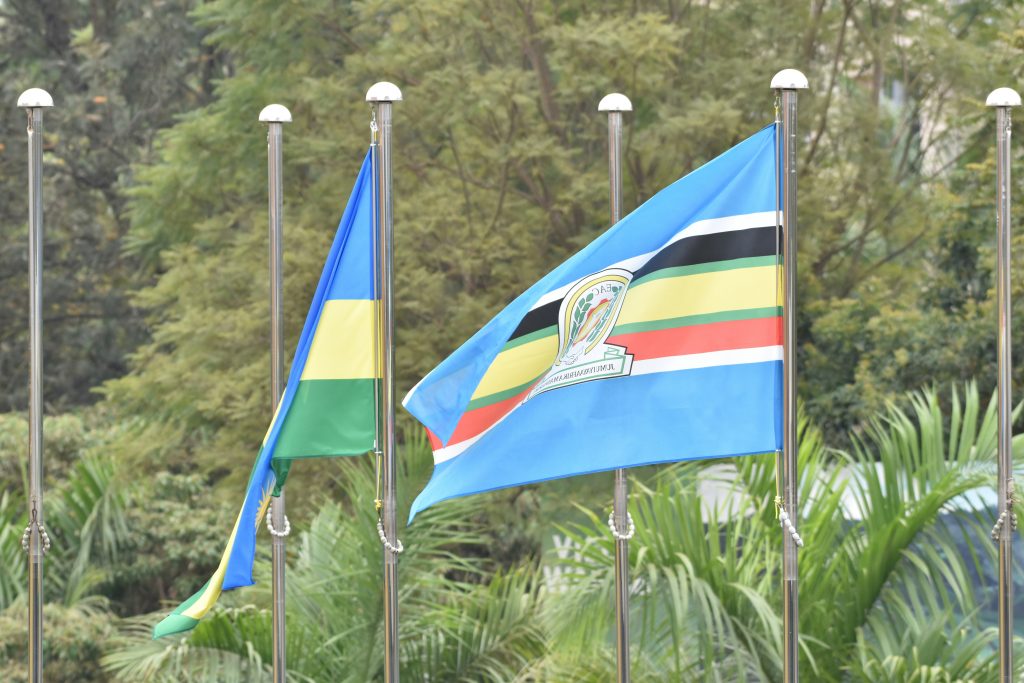
Uncontained health crises create direct cross-border trade friction for adjacent economies, including Rwanda and Uganda. Enhanced border screenings and supply chain bottlenecks risk slowing commercial transit along key trade corridors in the Great Lakes region.
Without institutional oversight, international credit rating agencies and development finance institutions may discount the fiscal credibility of central African sovereign borrowers. Traceable procurement structures remain mandatory to preserve international financing channels during recurrent epidemiological emergencies.
Watch: Trump “Concerned” About Ebola Outbreak After American in DR Congo Tested Positive for Virus

Written by
Tumisang Bogwasi, Founder & CEO of Brimco. 2X Award-Winning Entrepreneur. It all started with a popsicle stand.