


Geopolitical discussions at the IISS Manama Dialogue highlighted the financial and strategic risks of Middle East conflict, illustrating how regional instability drives commodity volatility and widens borrowing premiums for emerging markets.
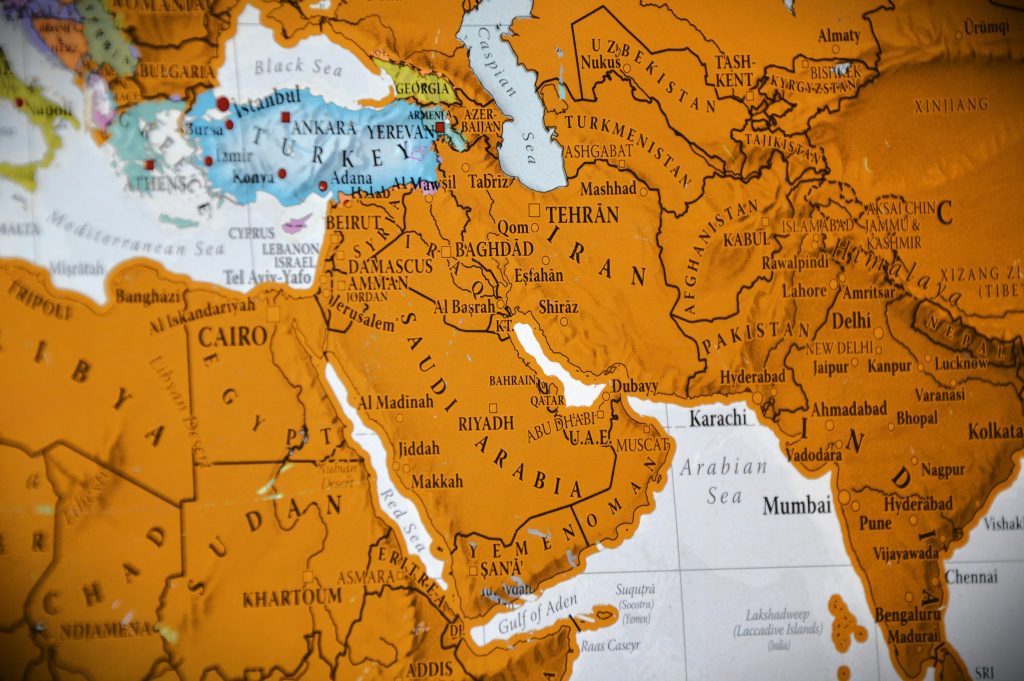
Manama, Bahrain: Regional security analysts evaluated shifting diplomatic frameworks and conflict dynamics in the Middle East during the annual conference in Bahrain. The discussions focused on Syrian political transition complexities and escalating regional conflicts that directly alter global investment risk appetites.

Dr. Ammar Kahf, executive director of the Omran Center for Strategic Studies, addressed Syria’s stabilization hurdles during an interview with broadcaster Al Arabiya English. The exchange examined structural security threats linked to broader conflict with Iran alongside changing bilateral state diplomacy.
Protracted instability across Middle Eastern corridors directly shapes global crude oil benchmarks and international maritime freight costs. Energy market volatility rapidly transmits inflationary pressure into developing economies, straining fiscal reserves for net energy importers.
African trade frameworks maintain steady operational boundaries despite external turbulence, yet frontier sovereign yields frequently fluctuate with geopolitical stress. International debt markets price wider risk premiums when strategic trade bottlenecks face heightened military confrontation.
For institutional allocators, shifting diplomatic alliances serve as early indicators for cross-border capital reallocation. Sovereign credit analysts monitor these diplomatic realignments to recalibrate external financing assumptions and foreign exchange reserves across frontier jurisdictions.
Portfolio managers evaluate Middle Eastern geopolitical friction to structure commodity hedges and protect regional asset portfolios from external liquidity shocks. Sustained diplomatic uncertainty compels financial institutions to apply conservative liquidity buffers across vulnerable frontier sovereign debt holdings.

Written by
Tumisang Bogwasi, Founder & CEO of Brimco. 2X Award-Winning Entrepreneur. It all started with a popsicle stand.


