Escalating Gulf military tensions and defense coordination risk disrupting crucial energy routes, threatening to expand current account deficits, accelerate inflation, and increase AfCFTA logistics costs across African fuel-importing economies.
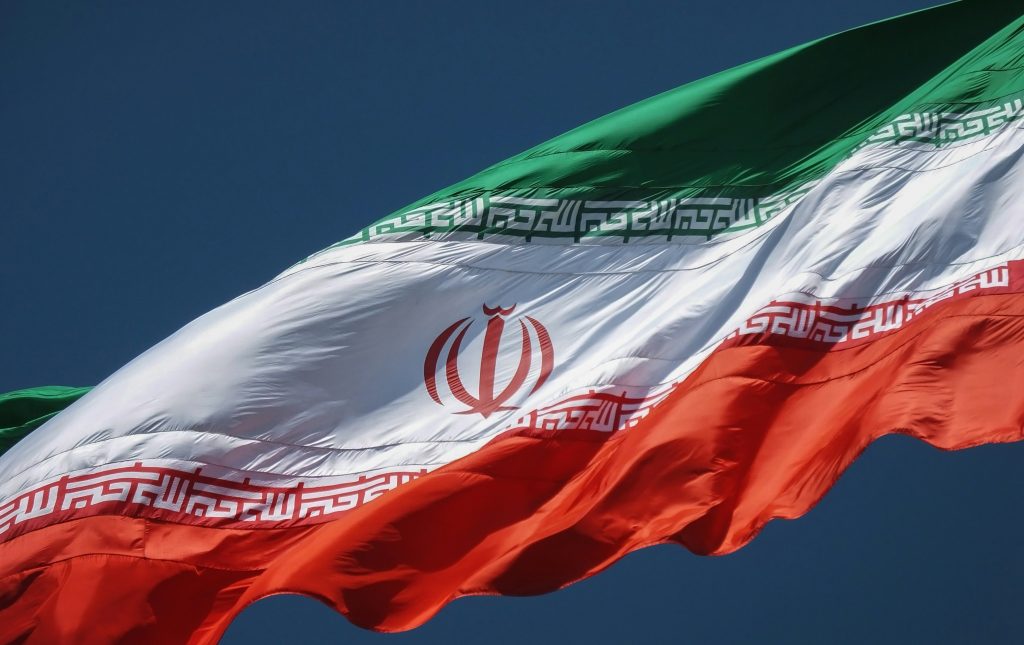
Addis Ababa, Ethiopia : Escalating military friction in the Persian Gulf threatens to destabilize Africa’s macroeconomic balance sheets as rising crude prices compound sovereign debt pressures across sub-Saharan fuel importers.

A coordinated push among Gulf nations to construct a deterrent defense network against potential Iranian strikes risks disrupting energy arteries through the Strait of Hormuz. Defense integration outlined in a Gulf defense coordination dispatch reflects heightened vulnerability across waterways that carry more than 20% of global petroleum shipments.
African economies register immediate exposure to maritime bottlenecks along Middle Eastern trade corridors. Elevated war-risk insurance premiums and rerouted vessels inflate domestic pump prices in non-producing markets, quickening consumer inflation from Mombasa to Lagos. Regional consultations underscore this acute supply fragility, as detailed in an Initiate Futures security analysis.
Surging Brent crude benchmarks compress fiscal space for African finance ministries already managing high sovereign debt burdens. Non-oil producing states must expend foreign exchange reserves to clear subsidized energy imports, accelerating currency depreciation against the dollar and curtailing capital available for infrastructure development.
Price shocks create systemic friction for the African Continental Free Trade Area, which relies on affordable freight to expand intra-continental goods exchange. Rising diesel and aviation fuel expenditures erode logistics margins across transport corridors, dampening the competitiveness of manufactured exports and slowing cross-border tariff adjustments.
Fiscal vulnerability remains unevenly distributed across the continent because petroleum shocks transfer liquidity from consuming states to hydrocarbon exporters. While producers such as Angola and Nigeria capture windfall export earnings, broader sub-Saharan markets face widened current account deficits and depleted foreign exchange buffers. Central banks in East and Southern Africa face pressure to prolong monetary tightening to defend local currencies.
Persistent maritime friction expands sovereign borrowing requirements, diverting concessional resources away from long-term capital projects. An African Development Bank resilience warning cautions that geopolitical disruptions expand financing gaps for essential infrastructure across emerging markets. Governments must accelerate renewable energy investments and regional grid connectivity to isolate domestic industries from Middle Eastern flashpoints.
Continental policy coordination must prioritize joint fuel purchasing and cross-border strategic reserves to cushion exposed member states against external disruptions. Without targeted financing mechanisms and expanded refining capacity, African supply chains remain tied to security dynamics across the Persian Gulf.

Written by
Tumisang Bogwasi, Founder & CEO of Brimco. 2X Award-Winning Entrepreneur. It all started with a popsicle stand.