Hong Kong authorities have arrested a woman after discovering a 1.5-meter-long crocodile and more than 100 other reptiles in her residential apartment. The incident underscores the city's strict regulatory framework for animal welfare and exotic pet ownership, highlighting enforcement actions in a densely populated global financial hub.
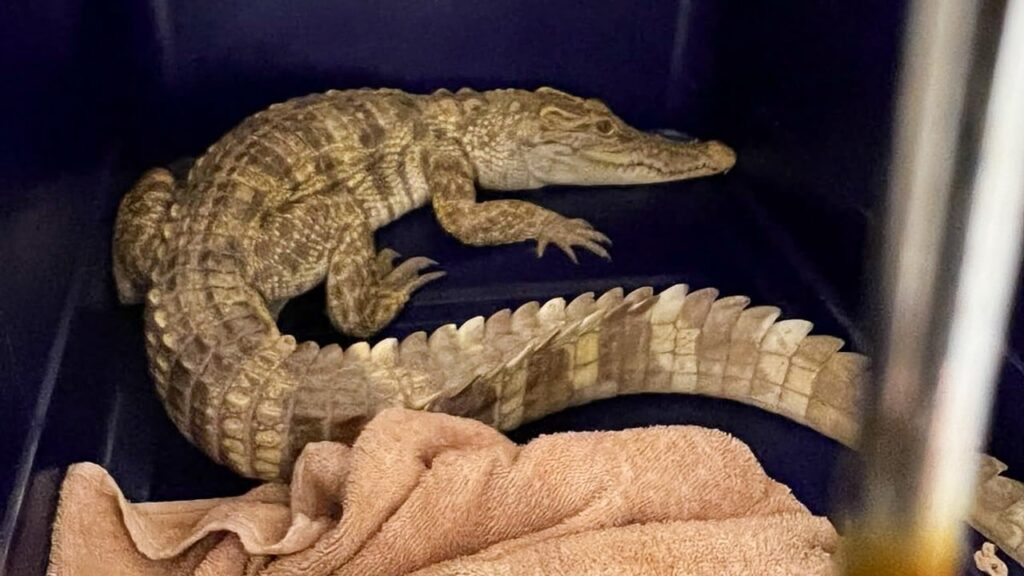
Hong Kong, China – Hong Kong police have arrested a woman following the discovery of a 1.5-meter-long (4.9 feet) crocodile on her apartment balcony, which led to the subsequent finding of approximately 100 additional reptiles within her residence. The extensive collection of animals prompts questions regarding the enforcement of Hong Kong’s wildlife protection and animal welfare regulations.

Authorities, including police officers and staff from the Agricultural, Fisheries and Conservation Department (AFCD), conducted a search of the flat after the initial crocodile sighting. Their investigation uncovered numerous other reptiles, leading to the woman’s arrest on suspicion of keeping protected wild animals without the required license.
Hong Kong maintains stringent laws governing the keeping of exotic and protected animals to safeguard public health and uphold animal welfare standards. The Wild Animals Protection Ordinance (Cap. 170) and the Public Health (Animals and Birds) Ordinance (Cap. 139) are key legislative instruments regulating such activities. Unlicensed possession of protected species can result in severe legal consequences.
Under Hong Kong law, individuals found keeping protected wild animals without a special permit can face substantial fines and terms of imprisonment. The AFCD is responsible for issuing permits for specific animals and enforcing these regulations. This arrest signals the government’s commitment to upholding these statutes within the city’s urban environment.
This incident reinforces Hong Kong’s commitment to regulatory compliance, extending beyond financial markets to encompass public safety and environmental protection. For a global financial hub, maintaining robust regulatory frameworks across all sectors is crucial for its international standing and operational integrity. The enforcement action demonstrates the city’s capacity to address diverse regulatory challenges effectively.
The case also serves as a reminder to residents and businesses about the strict adherence required for local ordinances, particularly those concerning animal import, ownership, and welfare. Regulatory consistency helps maintain public order and protects the city’s natural environment, contributing to its overall appeal as a stable international center. Such actions reflect on the broader governance standards applicable in a key economic region within China.

Written by
Tumisang Bogwasi, Founder & CEO of Brimco. 2X Award-Winning Entrepreneur. It all started with a popsicle stand.