Two major service disruptions at Hong Kong's MTR Lam Tin station within 15 hours have led to scrutiny over infrastructure reliability and passenger compensation protocols.
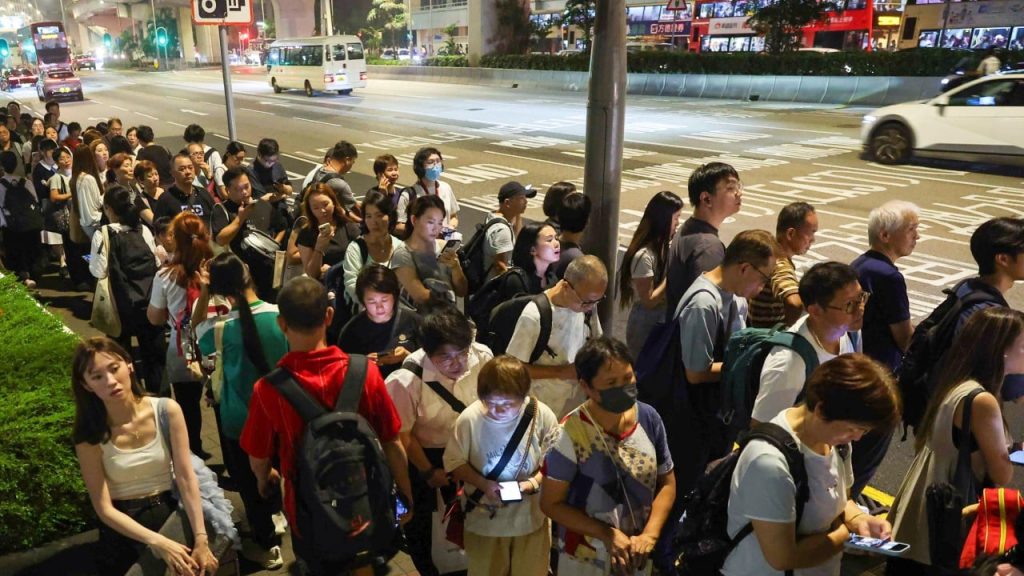
HONG KONG, China Two separate rush-hour disruptions at Hong Kong’s Mass Transit Railway (MTR) Lam Tin station within a 15-hour window have prompted investigations into potential vulnerabilities in the network’s infrastructure. Engineering experts suggest the incidents may be linked to a shared power supply circuit or underlying procedural shortcomings in the maintenance and response framework.

The first incident occurred on Tuesday evening when an insulating rubber component in a track turnout caught fire. The fire forced an immediate halt to services for approximately one hour, causing significant congestion during the commute. A second disruption followed on Wednesday, exacerbating concerns regarding the stability of the electrical hardware involved.
Engineering specialists have noted that the proximity of the two events suggests a systemic rather than isolated failure. If both incidents involved the same power supply circuit, it could indicate a deeper technical flaw or aging of the station’s electrical infrastructure. Alternatively, the recurring failures point to gaps in the MTR’s operational protocols and its ability to mitigate faults faults in one of the world’s busiest rail networks.
Following the failures, lawmakers have called on the MTR to re-evaluate its compensation model. The current framework is criticized by some representatives for not accounting for the specific financial and time losses incurred by commuters during peak-hour disruptions.
The MTR is a critical artery for the Hong Kong economy, moving millions of passengers daily between residential hubs and commercial centers. Any degradation in service has immediate ripple effects on labor productivity and retail traffic in the central district. Legislative pressure is mounting to ensure that the operator prioritizes infrastructure upgrades to prevent further systemic shocks.
The MTR is expected to provide a detailed technical report regarding the link between the two incidents. As the city continues to modernize its transport network, the reliability of existing lines remains a focal point for public policy discussions. The focus now shifts to whether the insulating component failure was a symptom of a broader overhaul of track turnout safety standards.

Written by
Tumisang Bogwasi, Founder & CEO of Brimco. 2X Award-Winning Entrepreneur. It all started with a popsicle stand.