


At the IMF annual meeting, experts emphasized that digital connectivity is critical for developing nations to navigate rising energy costs and climate-related risks.
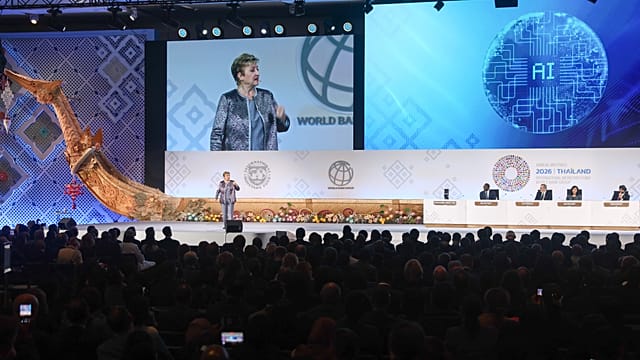
Washington, DC – The International Monetary Fund (IMF) has warned during its annual meetings that developing nations risk being left behind in the global AI revolution unless they prioritize digital infrastructure investment. While a global artificial intelligence boom is accelerating growth in technology-exporting economies, many sub-Saharan and other emerging markets remain tethered to high energy costs and climate-related fiscal shocks.

nThe divergence between tech-advanced economies and developing nations is widening. According to IMF analysis, the lack of high-speed internet and reliable computing power prevents emerging markets from integrating AI into sectors like agriculture and finance. This gap creates a feedback loop where nations without digital foundations cannot generate the productivity gains necessary to service mounting external debt.
Data from IMF Economic Outlook suggests that for the African Union (AU), the implementation of the African Continental Free Trade Area (AfCFTA) depends on seamless digital integration. Without cross-border digital standards, the potential for intra-African trade growth remains limited by high transaction costs and a lack of digital payment interoperability across the continent.
The fiscal space for developing nations is constrained by external shocks. Climate disasters have increasingly led to emergency spending requirements, diverting capital away from long-term infrastructure projects. The African Development Bank has noted that debt-servicing costs often limit the ability to invest in the green transition.
Digital connectivity offers a pathway to resilience. By leveraging AI for predictive weather modeling in farming or optimized energy distribution, developing nations can mitigate the impact of volatile commodity prices. However, the initial capital expenditure for fiber optic networks and data centers remains a significant barrier for governments facing high borrowing costs.
For the African Union, the focus is shifting toward universal access to affordable high-speed broadband. Investors are increasingly looking for markets that offer stable regulatory frameworks for fintech and digital services. The IMF suggests that de-risking these investments through public-private partnerships is essential to ensure that sub-Saharan Africa participates in the next era of global economic expansion.

Written by
Tumisang Bogwasi, Founder & CEO of Brimco. 2X Award-Winning Entrepreneur. It all started with a popsicle stand.


