


Kenya faces rising food inflation as erratic climate patterns disrupt staple agricultural supply, constraining consumer liquidity and East African cross-border trade.
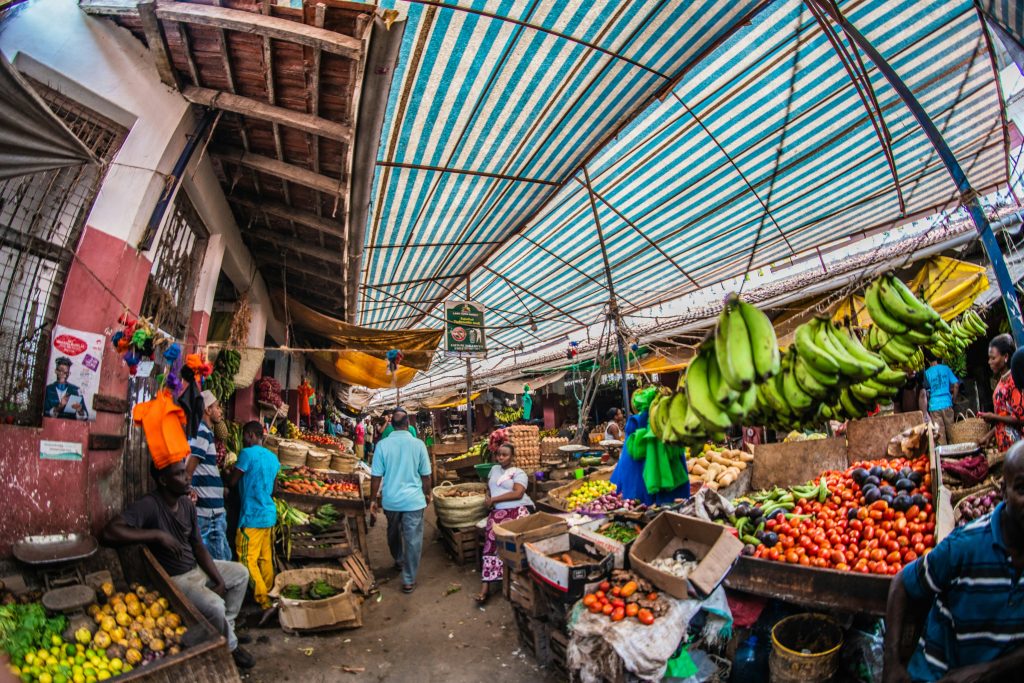
NAIROBI, Kenya: Food prices rose sharply as unpredictable weather patterns disrupted staple agricultural harvests in an Africanews market report. Rising retail costs for maize, beans, and vegetables intensify inflationary pressures across commercial food supply chains.

Price volatility follows unseasonal dry spells and flooding that compromised staple crop yields across key agricultural counties. Urban distribution markets in Nairobi recorded steep price increases for basic produce, curtailing household purchasing power. This persistent supply squeeze reflects broader Sub-Saharan trends where localized weather volatility accelerates food inflation across metropolitan retail sectors.
Kenyan market disruption creates direct challenges for African Continental Free Trade Area integration targets. While the continental trade framework seeks to harmonize regional commodity flows, production deficits in Kenya destabilize cross-border supply networks throughout the East African Community. Secondary import markets face immediate cost spikes when regional surplus hubs experience agricultural deficits.
The African Development Bank highlights structural deficits in regional water distribution and agricultural logistics as catalysts for price swings. Without sustained investment in irrigation systems and certified drought-resistant seed supplies, East African economies face recurrent agricultural shocks. These continuous supply vulnerabilities disrupt sovereign fiscal plans and compress commercial bank lending to agribusiness operators.
Regional policymakers in the African Union continue pushing for collective strategic grain reserves to buffer vulnerable markets against recurring supply deficits. Even with policy coordination, consumer households and local retailers absorb immediate liquidity strains from elevated food costs. Persistent living cost increases threaten broader domestic demand and constrain economic expansion across the trading bloc.

Written by
Tumisang Bogwasi, Founder & CEO of Brimco. 2X Award-Winning Entrepreneur. It all started with a popsicle stand.


