


DTE Energy has proposed two new natural-gas units with carbon capture to meet surging data center power demand under Michigan's 100% clean grid mandate. The project faces operational and capital risks given the rigorous 90% capture threshold required for state compliance.
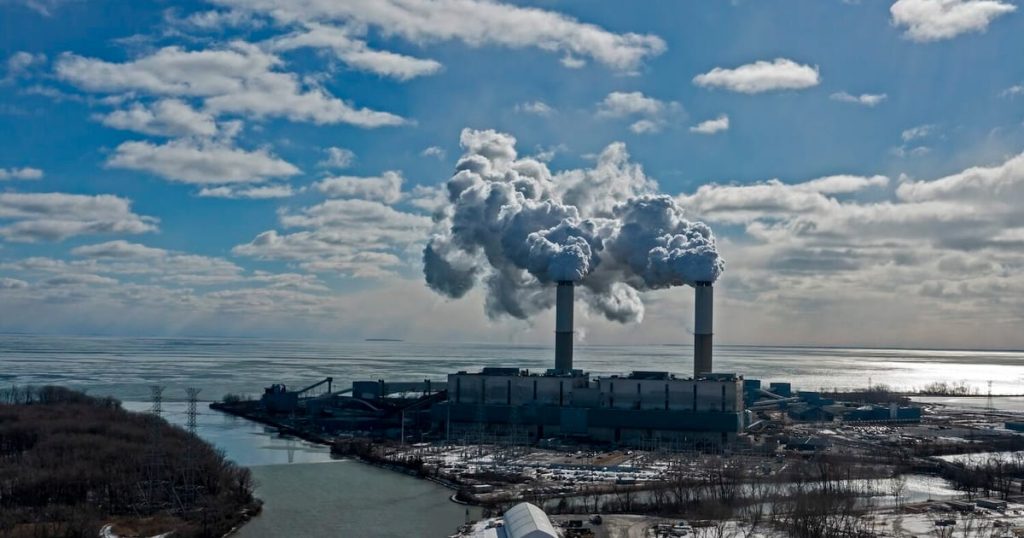
DETROIT, United States: DTE Energy filed an integrated resource plan seeking regulatory approval to build two natural gas plants equipped with carbon capture systems to meet rising grid demand.

The proposal tests Michigan’s 2023 clean-energy mandate requiring a 100% clean-energy grid by 2040, which permits natural gas units to qualify only if they capture 90% of carbon dioxide emissions. Failure to reach that threshold threatens utility capital recovery and delays the planned replacement of retiring coal facilities.
Under the submission to the Michigan Public Service Commission, DTE Energy seeks licenses for a 700-megawatt unit and a 1,400-megawatt unit. The utility intends for these facilities to maintain electrical reliability and support surging power consumption from data centers. The strategy also evaluates carbon capture as a baseload replacement for retiring generators like the Monroe coal plant.
Achieving a consistent 90% capture rate on commercial gas turbines presents substantial technical hurdles for power operators. Engineering evaluations detailed in the Canary Media utility report show that high equipment costs and unproven performance at scale generate downside risk for project sponsors. Operating expenses could escalate significantly if capture systems fail to perform during peak demand periods.
State lawmakers are advancing House Bills 6247-6249 to establish local permitting for underground carbon sequestration through the Department of Environment, Great Lakes, and Energy. The statutory package seeks state primacy over federal regulatory oversight for underground carbon injection wells. Environmental advocates question whether the accelerated state review provides adequate legal safeguards for groundwater protection.
Regulatory approval will determine whether natural gas paired with carbon capture becomes a viable transition asset for North American grid operators facing data center load growth. Utility investors face potential cost overruns if the Michigan Public Service Commission rejects rate recovery for underperforming equipment. A regulatory setback could force power companies to accelerate capital allocation toward alternative firm clean capacity.

Written by
Tumisang Bogwasi, Founder & CEO of Brimco. 2X Award-Winning Entrepreneur. It all started with a popsicle stand.


