Mustafa Suleyman, CEO of Microsoft AI, is slated to unveil seven new artificial intelligence models at the forthcoming Microsoft Build 2026 conference. This anticipated announcement underscores Microsoft's aggressive expansion in generative AI, aiming to solidify its competitive edge against rivals like Google and Amazon, and integrate advanced AI capabilities across its extensive product ecosystem. The move is expected to influence broader technology sector valuations and market dynamics, reinforcing Microsoft's strategic commitment to AI leadership.
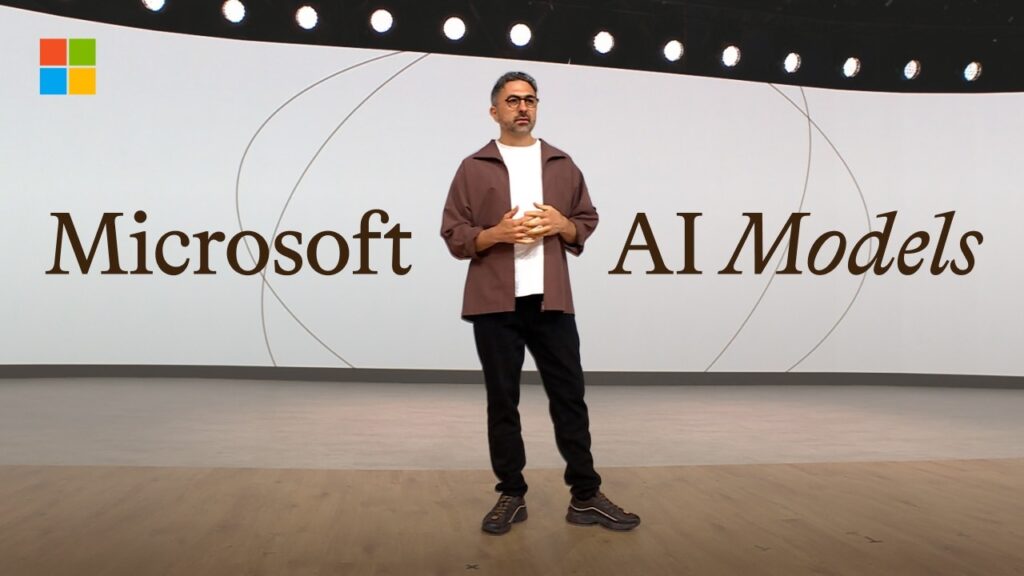
WASHINGTON, UNITED STATES – Mustafa Suleyman, CEO of Microsoft AI, unveiled seven new artificial intelligence models at the Microsoft Build 2026 conference. This significant announcement reflects Microsoft’s intensified commitment to developing and deploying cutting-edge generative AI, aiming to further integrate these capabilities across its vast enterprise and consumer offerings.
The strategic move is poised to reshape the competitive landscape within the rapidly evolving global AI market, impacting investor sentiment and the broader technology sector.

The forthcoming unveiling by Mr. Suleyman, who joined Microsoft in March 2024 to lead its consumer AI unit, underscores the company’s aggressive strategy to consolidate its position as a dominant force in artificial intelligence. His appointment, detailed in a CNBC report, marked a significant shift, bringing a co-founder of Inflection AI into Microsoft’s executive ranks.
The seven new models are expected to build upon Microsoft’s existing investments in AI, including its foundational partnership with OpenAI, and extend into new domains or enhance current offerings in cloud computing, productivity suites, and consumer applications.
Microsoft’s focus on developing proprietary models complements its strategic alliances, providing greater control over its AI roadmap and intellectual property. This approach allows the technology giant to tailor AI solutions more precisely for its Azure cloud customers, empower developers, and enhance user experiences across platforms like Microsoft 365 and Windows. Such a broad release of new models could provide developers with unprecedented tools, fostering innovation within Microsoft’s ecosystem.
The introduction of seven new AI models holds substantial implications for capital markets, particularly for the Nasdaq and S&P 500 technology indices, where Microsoft’s stock plays a significant role. Investors will likely scrutinize the capabilities and deployment strategies of these models for their potential to drive revenue growth and expand market share in areas like enterprise software, cloud services, and AI-as-a-service.
The announcement could spur increased valuation for Microsoft and potentially trigger a ripple effect across the broader AI supply chain, benefiting chipmakers and data infrastructure providers.
This expansion further intensifies the competition with rival technology giants such as Google, Amazon, and Meta, all of whom are heavily investing in developing their own advanced AI models. Microsoft’s ability to differentiate its offerings through these new models—be it in specialized applications, efficiency, or integration, will be critical for maintaining its leadership position. The unveiling at Build 2026 highlights a sustained push to innovate at a pace that keeps Microsoft at the forefront of the AI race.
The unveiling of seven new AI models by a U.S.-based technology titan like Microsoft holds profound implications for the United States economy and regulatory landscape. In Silicon Valley, this influx of innovation will likely accelerate research and development, attracting top-tier talent and venture capital into the AI sector. The enhanced capabilities could lead to new industries and job creation within the burgeoning AI economy, potentially offsetting shifts in other sectors.
From a regulatory standpoint in Washington, the introduction of more powerful and pervasive AI models will undoubtedly draw attention from bodies like the Securities and Exchange Commission (SEC) concerning AI’s impact on corporate governance and market fairness, and the Federal Trade Commission (FTC) regarding ethical AI development and data privacy. Policymakers are increasingly focused on establishing frameworks for responsible AI, and Microsoft’s advancements will likely play a central role in these ongoing discussions about national competitiveness, security, and ethical deployment of artificial intelligence. The U.S. Treasury may also observe the economic multiplier effects of these investments on national productivity and global economic standing.

Written by
Tumisang Bogwasi, Founder & CEO of Brimco. 2X Award-Winning Entrepreneur. It all started with a popsicle stand.