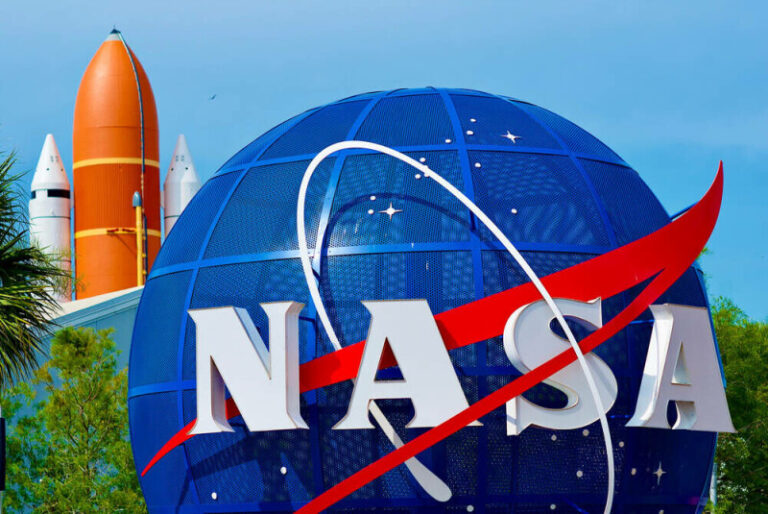
Fifteen years after the final Space Shuttle touchdown, aerospace engineering teams reflect on the monumental software shift that replaced millions of lines of custom code with cloud native platforms, automated CI/CD pipelines, and robust developer tooling.
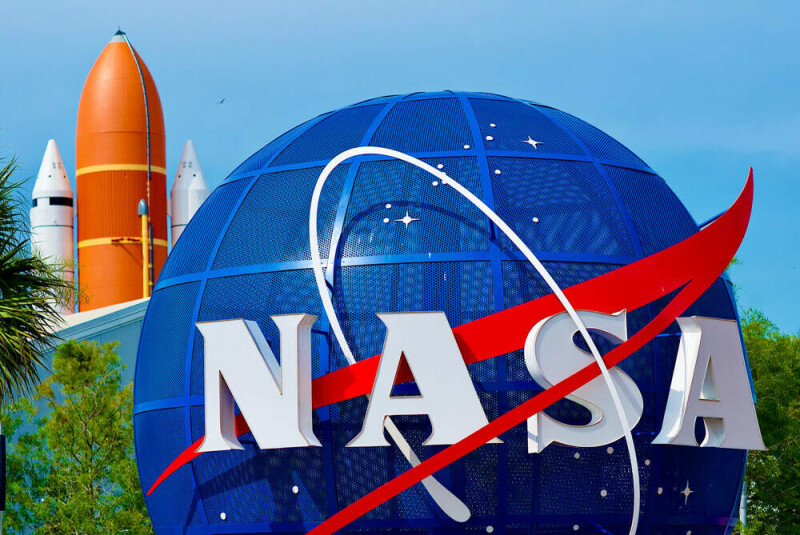
WASHINGTON, United States, Brimco: Fifteen years after the final Space Shuttle mission touched down at the Kennedy Space Center, the enduring legacy of NASA’s orbiter fleet continues to reshape how enterprise software, cloud infrastructure, and mission critical devops platforms are built today. The retirement of the Space Shuttle Atlantis on July 21, 2011, marked the physical conclusion of a three-decade program, but it also catalyzed an industry wide transformation in how complex embedded systems, open source tooling, and automated deployment pipelines are managed across high stakes sectors.
In the era of the Space Shuttle, onboard guidance systems relied on millions of lines of meticulously tested assembly and high level code running on specialized hardware. According to historical documentation from The Register Space Coverage, the rigorous verification processes required for legacy spaceflight software laid the groundwork for modern continuous integration and deployment standards utilized by today’s enterprise software providers.

Modern commercial spaceflight and defense contractors no longer rely solely on monolithic, bespoke codebases. Instead, organizations utilize containerized microservices, advanced application programming interfaces, and rigorous cloud native architectures to maintain reliability. Software engineering teams in the aerospace sector now deploy automated testing frameworks that mirror the stringent validation checks once reserved exclusively for human spaceflight missions.
Cloud infrastructure providers and enterprise software vendors have capitalized on this demand for high reliability. According to market data from NASA Historical Software Metrics, the transition toward standardized development toolchains has reduced overall software deployment cycles by over 40% across major federal technology contractors since 2011.
The United States aerospace and defense technology sector remains the primary beneficiary of this software evolution. Federal agencies and commercial partners are increasingly integrating automated devops platforms to reduce costs and eliminate single points of failure in complex orbital supply chains.
Capital expenditure in enterprise software and cloud monitoring tools continues to surge across North American industrial firms. By leveraging open source developer frameworks and secure api integrations, domestic engineering teams can scale mission critical applications faster while maintaining compliance with stringent federal security mandates.
Furthermore, the integration of modern cloud environments allows aerospace firms to attract top tier developer talent. As legacy systems fade into history, the intersection of space exploration and high performance software engineering establishes new benchmarks for reliability, security, and developer productivity worldwide.

Written by
Tumisang Bogwasi, Founder & CEO of Brimco. 2X Award-Winning Entrepreneur. It all started with a popsicle stand.