


At the third Russia-Africa Summit in Moscow, African Union leaders and Russian President Vladimir Putin called for structural voting reforms at the IMF and World Bank while negotiating alternative bilateral trade and currency settlement mechanisms.
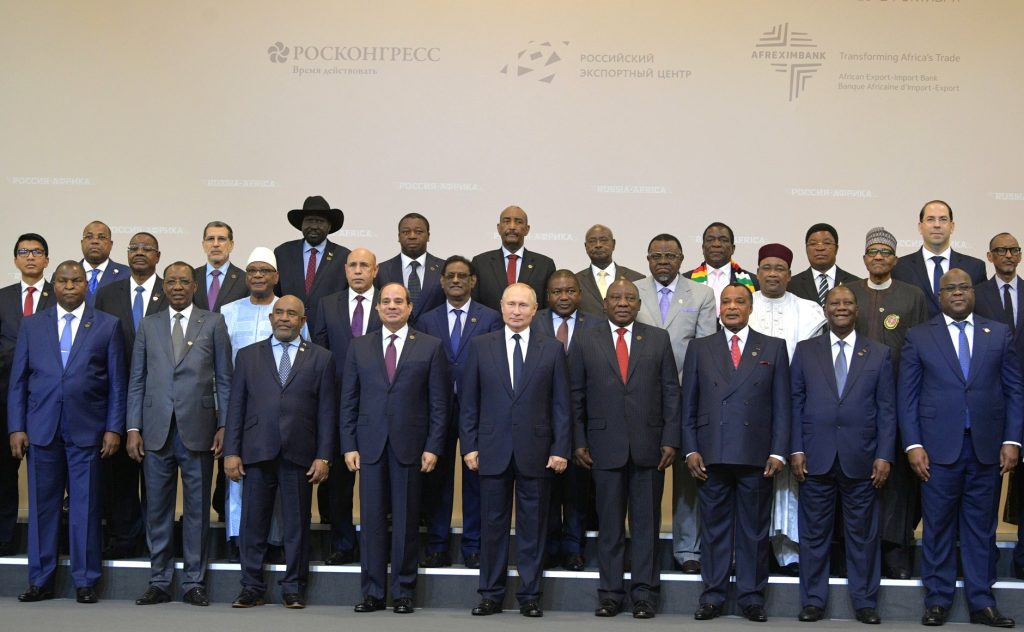
MOSCOW, Russia – African Union delegations convened in Moscow on October 28-29, 2026, for the plenary session of the third Russia-Africa Summit to negotiate bilateral trade pacts and sovereign debt relief. Russian President Vladimir Putin co-chaired the conference alongside Burundian President and African Union Chairperson Évariste Ndayishimiye to recalibrate commercial ties across developing markets.

During his keynote address, Vladimir Putin framed Moscow as a primary commercial partner while declaring an end to Western economic dominance in the Africanews summit dispatch. Putin criticized advanced economies for relying on raw resource extraction and burdensome debt structures that constrain industrial modernization across the continent.
The Russian head of state called for structural governance adjustments at the International Monetary Fund and the World Bank Group during the plenary assembly. He argued that existing multilateral voting shares fail to represent the growing economic footprint of emerging African and Eurasian economies.
African Union Chairperson Évariste Ndayishimiye reinforced calls for continental industrialization and sovereign value retention. Ndayishimiye affirmed that African states reject trade models confined to raw commodity exports and high-cost manufactured imports, urging direct investment into local production facilities.
Delegates also addressed agricultural exports, energy infrastructure capital, and alternative payment settlement channels designed to operate outside Western clearing systems. Trade desks view these settlement proposals as a mechanism to protect bilateral transaction flows from third-party regulatory sanctions.
For sub-Saharan sovereign debt desks, the Moscow summit underscores a broader push toward financing diversification away from traditional multilateral lenders. Finance ministries face growing incentives to weigh non-Paris Club bilateral credit lines for core infrastructure projects, even as commercial bondholders scrutinize the transparency of non-concessional debt.
Central banks across Africa monitor whether clearing bilateral trade in local currencies or alternative networks can reduce structural dollar liquidity shortages. While alternative currency mechanisms offer tactical insulation against exchange rate shocks, regional lenders must manage compliance risks linked to global financial regulations.

Written by
Tumisang Bogwasi, Founder & CEO of Brimco. 2X Award-Winning Entrepreneur. It all started with a popsicle stand.


