South Africa’s central bank governor Lesetja Kganyago has cautioned that inflation could rise above current levels, citing supply‑chain bottlenecks and food price volatility. The Reserve Bank is likely to maintain its policy rate at 8.25% until clearer data emerges.
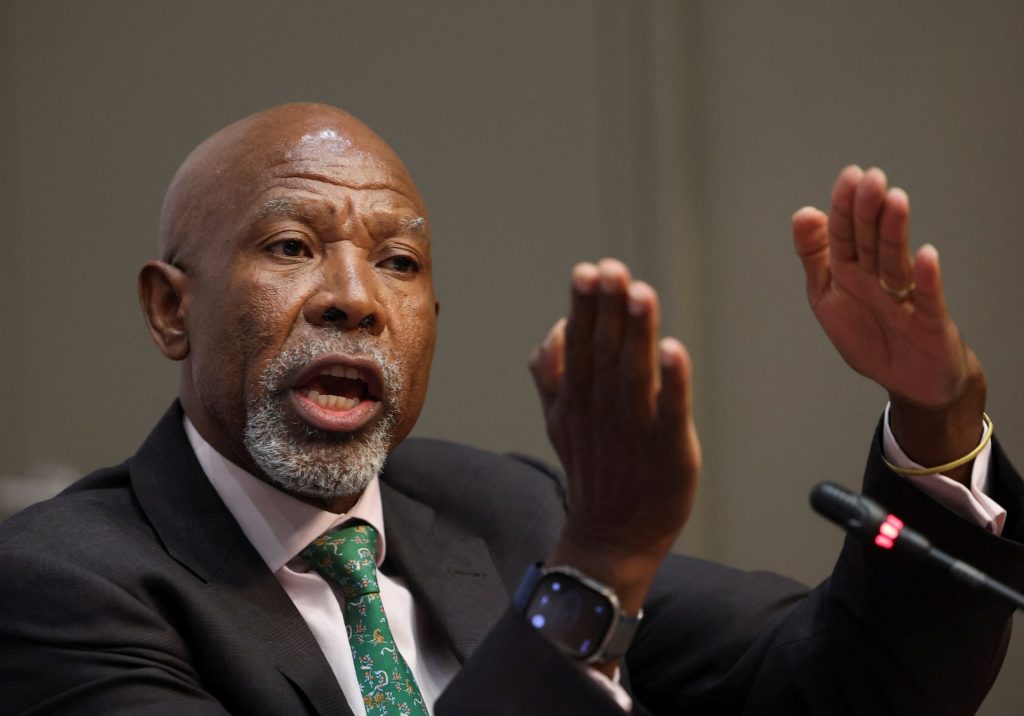
South Africa, Pretoria – South Africa’s central bank governor Lesetja Kganyago said on Thursday that inflation could rise above current levels, citing supply‑chain bottlenecks and food price volatility. The Reserve Bank of South Africa (SARB) is expected to keep its policy rate unchanged at 8.25% until further data shows improvement.

Kganyago noted that the headline inflation rate of 6.1% in the first quarter of 2024 could climb to 6.5% or higher if supply‑chain disruptions persist. He highlighted that food prices, which account for 20% of the consumer price index, remain volatile due to weather‑related crop losses and logistics constraints. The governor emphasized that the SARB will monitor the inflation trend closely and adjust policy if necessary.
The SARB’s latest policy statement, released on 12 March 2024, confirmed that the policy rate remains at 8.25%. The board reiterated its commitment to a data‑driven approach and signaled that it would consider tightening if inflation deviates from the 4.5%-6.5% target range. Kganyago’s remarks align with the board’s stance, underscoring the bank’s willingness to act if inflationary pressures intensify.
Higher inflation would reduce real purchasing power and could dampen consumer spending. The rand has already weakened against the U.S. dollar, trading around 18.50 per dollar, and could face further pressure if inflation accelerates. Businesses may face higher input costs, potentially leading to tighter profit margins.
South Africa’s inflation dynamics influence the broader African economy, as the country is a key trade partner for neighboring economies. Persistent inflation could affect regional supply chains and trade balances. Policymakers in the region may need to adjust fiscal and monetary frameworks to mitigate spill‑over effects.
Kganyago’s warning signals that the SARB remains vigilant about inflation risks. While the policy rate is currently unchanged, the central bank is prepared to tighten if the inflation outlook deteriorates. Market participants will closely monitor upcoming data releases for signs of upward pressure.

Written by
Tumisang Bogwasi, Founder & CEO of Brimco. 2X Award-Winning Entrepreneur. It all started with a popsicle stand.