King Felipe VI visited the Spanish enclave of Ceuta to reaffirm bilateral ties with Morocco amid rising migration pressures. The diplomatic initiative aims to de-escalate cross-border frictions and protect commercial supply chains, industrial investments, and trade stability across the western Mediterranean corridor.

Ceuta, Spain: King Felipe VI called for good neighborly relations with Morocco during a formal visit to the enclave of Ceuta in an African News dispatch. The royal gesture arrives as an increase in migration across the Strait of Gibraltar strains the bilateral framework between Madrid and Rabat. While the Spanish crown prioritizes strategic de-escalation, border friction challenges broader European and North African security cooperation.

The diplomatic partnership between Spain and Morocco underpins the security architecture of the western Mediterranean basin. Madrid relies on Rabat to manage migration routes and maintain operational stability across shared transit points. Recent surges in border crossing attempts at Ceuta have escalated political pressure on Spanish authorities to reinforce perimeter security during ongoing Reuters operational monitoring.
Stability across the Maghreb remains inextricably linked to broader European enterprise interests and border integrity. For Morocco, maintaining its role as a strategic transit gateway offers significant leverage in negotiations over regional diplomacy and migration policy. The royal delegation confirms that Madrid favors long-term bilateral alignment over reactive border closures.
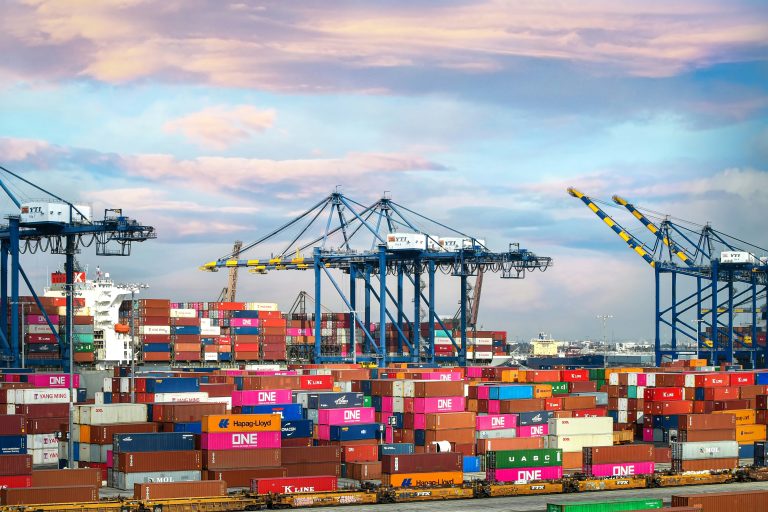
Morocco represents one of Spain’s critical trade partners, attracting substantial Spanish capital into industrial manufacturing, agribusiness, and cross-border energy infrastructure. Any protracted breakdown in diplomatic cooperation risks disrupting Mediterranean maritime transit through the Gibraltar corridor. Preserving stability protects logistics networks that service commercial supply chains across North Africa and Southern Europe.
Sustained regional integration remains essential for dampening economic shocks and supporting North African debt and currency stability. As Madrid navigates border controls, policymakers balance security enforcement against the capital requirements of bilateral commercial trade. Protecting existing diplomatic frameworks ensures that private investment and bilateral financial transactions proceed without regulatory disruption.

Written by
Tumisang Bogwasi, Founder & CEO of Brimco. 2X Award-Winning Entrepreneur. It all started with a popsicle stand.