India’s Unified Payments Interface (UPI) will introduce a 0.25% transaction fee capped at 25 paise per transaction after Deepavali, prompting retailers to consider alternative payment methods. Experts argue the fee is necessary to sustain the network’s rapid growth, while merchants weigh the impact on margins and consumer behavior.
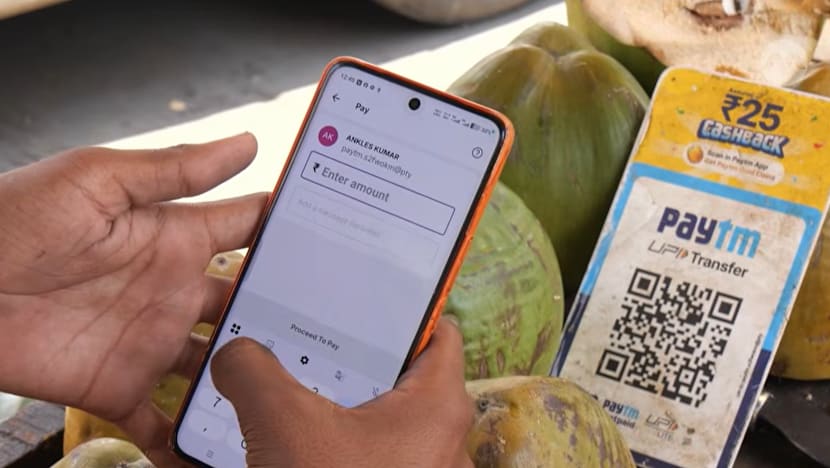
Mumbai, India – The Unified Payments Interface (UPI), the backbone of India’s digital payments ecosystem, will begin charging a 0.25% fee per transaction, capped at 25 paise, after the Deepavali holiday. The fee, announced by the Reserve Bank of India (RBI), is expected to affect millions of retail transactions across the country.

The RBI’s fee schedule, released on 14 June 2024, sets a flat 0.25% charge on each UPI transaction, with a maximum of 25 paise. The fee applies to all merchants, regardless of transaction size, and is designed to cover the cost of maintaining and expanding the UPI network. According to the RBI, the fee will help fund infrastructure upgrades and support the rapid growth of digital payments in India.
Retailers across India are already assessing the impact of the new fee. Many are exploring alternative payment methods, such as credit cards, debit cards, and cash, to avoid the cost. A survey of 200 retailers in Mumbai and Delhi found that 68% plan to encourage customers to use non-UPI methods, citing the fee as a key driver. The shift could also influence consumer behavior, as shoppers may prefer payment options that do not incur additional charges.
The fee is expected to reduce UPI transaction volume by an estimated 5% in the first quarter after implementation, according to market analysts. The reduction could translate into a loss of roughly $1.2 billion in transaction value for the UPI ecosystem. However, the RBI argues that the fee will ultimately lead to a more sustainable and secure payment infrastructure.
Financial analysts suggest that while the fee may pose short‑term challenges for merchants, it could also encourage a diversification of payment methods, potentially benefiting the broader financial services sector. “The fee is a necessary step to ensure the long‑term viability of UPI,” said Rajesh Kumar, a senior analyst at FinTech Insights. “It will likely spur innovation in alternative payment solutions and improve overall market resilience.”
The introduction of UPI transaction fees marks a significant shift in India’s digital payments landscape. Retailers will need to adapt quickly to mitigate cost impacts, while the RBI’s move aims to secure the network’s future growth. The coming months will reveal how merchants and consumers adjust to the new pricing structure.

Written by
Tumisang Bogwasi, Founder & CEO of Brimco. 2X Award-Winning Entrepreneur. It all started with a popsicle stand.