


Alphabet autonomous driving unit Waymo secured a $126 billion valuation despite posting a quarterly operating loss of $2.05 billion on $372 million in revenue, underscoring the massive capital requirements of physical artificial intelligence mobility platforms.
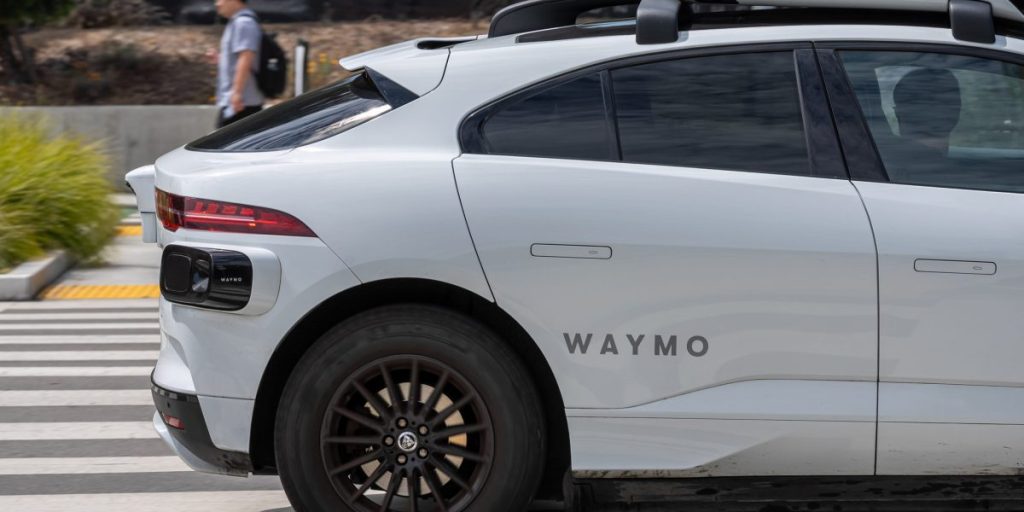
Mountain View, United States, Oct. 30: Alphabet Inc. autonomous driving unit Waymo secured a $126 billion private valuation even as the division recorded a $2.05 billion quarterly operating loss on $372 million in revenue.

The performance figures detailed in Fortune financial coverage demonstrate the dual reality facing hardware-integrated artificial intelligence platforms. While the revenue total marked a modest annual increase, high capital expenditures for physical testing fleets and regulatory compliance drove substantial operating deficits. Alphabet absorbs these ongoing costs as part of a broader corporate commitment to scalable urban mobility.
Waymo generates a fractional share of Alphabet total revenue while commanding a disproportionate share of parent group operating expenses. Operating expenditures remain elevated because autonomous fleets require continuous sensor maintenance, proprietary vehicle integration, and complex testing infrastructure. These financial dynamics underscore the extended timeline required before physical autonomous networks reach operational break-even status.
Hardware-centric artificial intelligence ventures diverge sharply from pure-software developers due to persistent upfront capital demands. Operators deploying physical robotics must manage vehicle depreciation, hardware supply chains, and localized safety mandates alongside code development. Market participants price the business at $126 billion under projections that dominant operators could secure foundational positions in long-term transport markets.
Alphabet has outlined plans to broaden its municipal testing footprint across multiple American states while advancing ride-hailing commercial partnerships. Deploying vehicles across dense metropolitan hubs aims to accelerate real-world data collection for machine-learning models and test secondary revenue streams. Enterprise risk management in this sector depends heavily on maintaining regulatory alignment and preventing fleet safety incidents during active commercial expansion.
The parent company strategy integrates hardware assets, proprietary software architectures, and active regulatory engagement across key jurisdictions. Continued capital absorption indicates that institutional backers view current deficits as deliberate development outlays rather than structural execution failures. Long-term commercialization metrics will depend on whether automated fleet density can lower per-mile deployment costs across target urban centres.

Written by
Tumisang Bogwasi, Founder & CEO of Brimco. 2X Award-Winning Entrepreneur. It all started with a popsicle stand.