Zimbabwe's ruling ZANU-PF party endorsed President Emmerson Mnangagwa to remain leader beyond the 2028 elections, prioritizing institutional continuity to attract foreign capital amid persistent currency volatility.
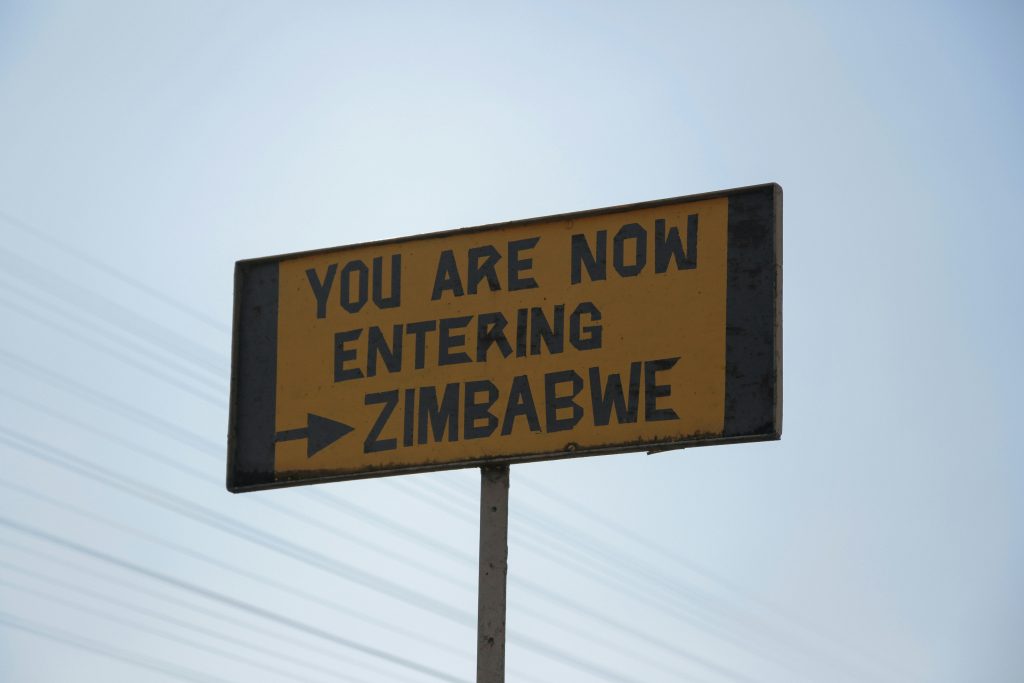
HARARE, Zimbabwe: The ruling ZANU-PF party endorsed President Emmerson Mnangagwa to lead the political movement beyond the 2028 general elections during an annual party conference. The measure secures the 84-year-old leader’s domestic standing and suspends succession disputes as the administration pursues foreign capital.

The endorsement arrives as Zimbabwe manages double-digit inflation and persistent foreign exchange shortages. Party leadership framed the extension as necessary for economic stability, seeking to reassure mining operators and sovereign creditors. Maintaining executive continuity remains central to Harare’s broader pitch for external commercial partnerships.
Mnangagwa took office in 2017 under an open-for-business mandate aimed at restoring foreign direct investment inflows. His administration continues to face pressure from opposition factions over fiscal governance and political liberalization. ZANU-PF officials prioritized institutional stability over leadership transition to protect policy execution.
Harare’s political trajectory directly impacts the Southern African Development Community trade corridor. Zimbabwe serves as a critical transit route for freight moving between South African ports, Zambia, and the Democratic Republic of Congo. Regional logistics networks depend on domestic border efficiency and highway stability.
Multilateral lenders, including the African Development Bank, track Zimbabwe’s structural benchmarks during ongoing sovereign debt negotiations. Regional partners require macroeconomic stabilization to expand cross-border power sharing and industrial supply chains. The leadership consensus provides sovereign counterparties with policy predictability across Southern Africa.

Written by
Tumisang Bogwasi, Founder & CEO of Brimco. 2X Award-Winning Entrepreneur. It all started with a popsicle stand.