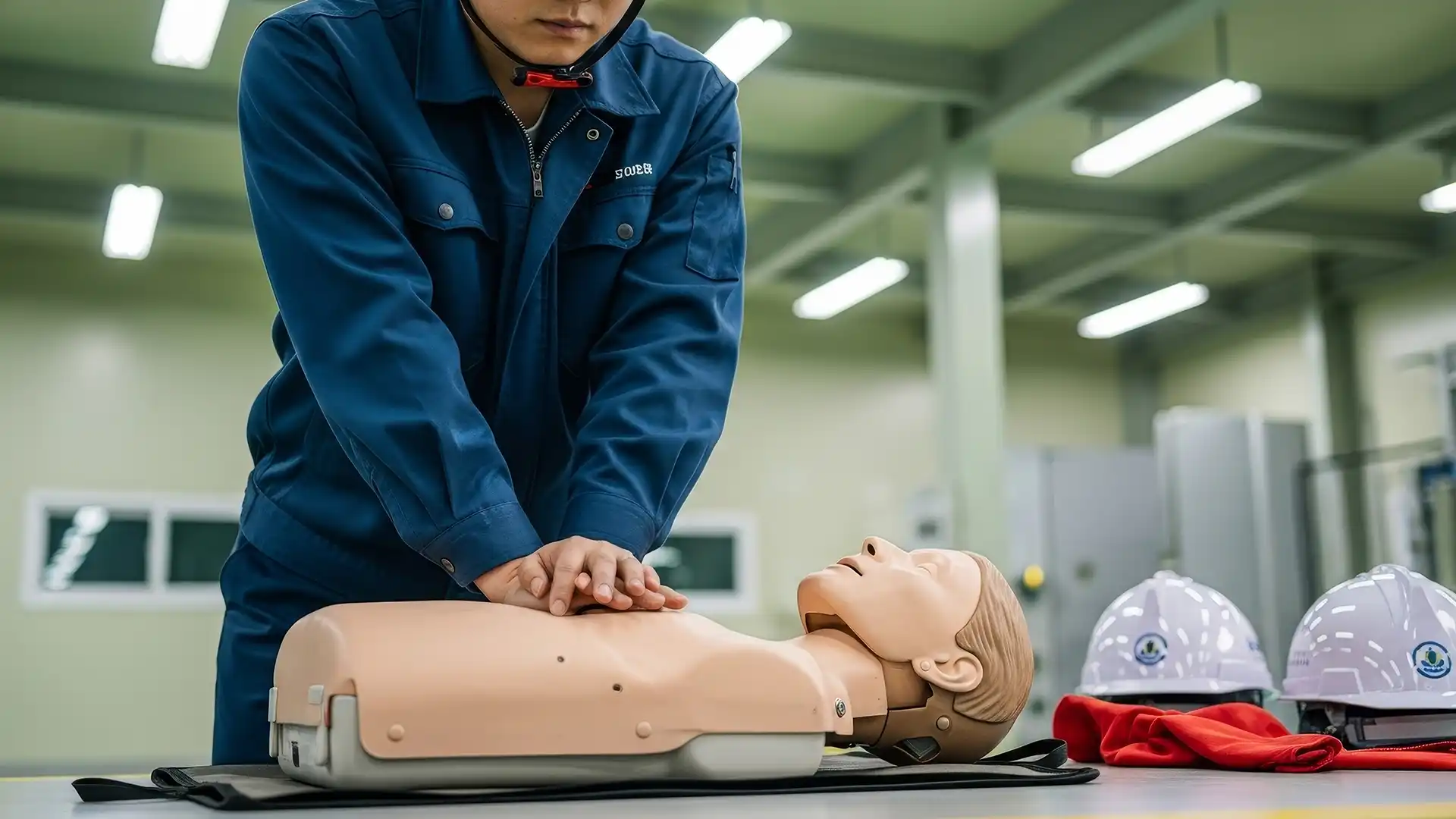
Ever had that moment at work where someone got hurt and everyone just froze, unsure of what to actually do? Or realized halfway through an emergency that the “first aid kit” hasn’t been checked in years? Those moments
First aid training isn’t just a box to tick for compliance. It’s the difference between a coworker getting help in the critical first few minutes of an emergency and everyone standing around hoping paramedics arrive fast enough. Here are five signs it’s time to get your team trained.
Workplace first aid requirements exist for a reason, and they’re not optional in most jurisdictions. According to the Canadian Centre for Occupational Health and Safety, all Canadian jurisdictions require workplaces to provide at least some level of first aid, with the specific type of equipment and training required depending on the number of workers, the hazards present, and how far the workplace is from professional medical help.
That means the right level of training isn’t a guess, it’s something every employer is expected to actually assess and meet.

If nobody has ever sat down and mapped out the specific injury risks at your workplace, whether that’s cuts and burns in a kitchen, falls on a construction site, or chemical exposure in a shop, there’s a good chance your current first aid coverage doesn’t actually match your real risks.
A proper assessment looks at the job tasks, equipment, and materials involved, then determines what training and supplies are genuinely needed.
First aid certifications don’t last forever, and an expired certification effectively means nobody on site is currently qualified to respond in an emergency. If your team’s certifications are nearing their renewal date, or worse, already lapsed, that’s an immediate signal to get recertification scheduled rather than treating it as a low priority.
Keeping certifications current also helps employees stay familiar with updated first aid guidelines and emergency response techniques. Regular refresher training reinforces practical skills, builds confidence during high-pressure situations, and helps workplaces remain compliant with applicable health and safety requirements.
Every new employee who joins without first aid training is a gap in your workplace’s actual emergency readiness, especially if they’re working in roles with real physical risk. Waiting for a scheduled annual training cycle to catch new hires up means your team could be running with fewer qualified responders than required for weeks or months at a time.
A new employee’s first few weeks are often when injuries are most likely, simply because they’re still learning equipment, layout, and procedures. Getting first aid training scheduled early in onboarding, rather than treating it as something to fit in eventually, closes that gap while it matters most.
Adding new equipment, moving into a bigger space, or increasing headcount all change the first aid requirements for a workplace, even if nothing else about your safety plan has changed. A first aid setup that was adequate for ten employees may fall short once that number doubles, or once new machinery introduces risks that weren’t part of the original assessment.
Regularly reviewing workplace hazards and emergency preparedness helps ensure first aid resources continue to match the environment. Updating supplies, reassessing response procedures, and making sure employees receive appropriate training are practical steps that keep safety measures aligned with changing workplace conditions rather than relying on outdated plans.
If employees have flagged that they don’t feel confident responding to an emergency, or have pointed out that the first aid kit is missing supplies or the designated attendant isn’t always available, that feedback is worth taking seriously. Workers on the floor often notice gaps in emergency readiness well before it becomes an official safety audit finding.
For workplaces looking to close these gaps, it’s worth taking the step to sign up for workplace first aid training courses that follow current CSA standards, rather than relying on outdated training or assuming existing certifications still cover everyone who needs them. When comparing providers, it’s worth checking whether their courses follow recognized standards such as CSA Z1210-17.
Some organizations, including Western Canada Fire & First Aid, also incorporate additional regional requirements where applicable. Choosing a provider that follows recognized training standards can help ensure participants receive comprehensive, up-to-date instruction.
A properly structured course typically includes:
A well-designed first aid course provides more than basic knowledge — it builds the confidence, skills, and readiness needed to respond effectively during real emergencies when every moment matters.
Workplace first aid training isn’t something to schedule only after an incident makes the gap obvious. New hires without training, expiring certifications, a workplace that’s grown, or workers flagging real concerns are all signs the timing is right to act now rather than later. The first few minutes after an injury are the ones that matter most, and having a properly trained team ready to respond is what actually makes that difference.
Regular refresher training also helps employees stay confident with emergency procedures, ensuring important skills don’t fade over time. A workplace that invests in ongoing first aid preparedness is better equipped to protect both its people and its day-to-day operations when unexpected situations arise.

Written by
Nonofo Joel, a Business Analyst at Brimco, has a passion for mineral economics and business innovation. He also serves on the Lehikeng Board as a champion of African human capital growth.
September 15, 2026
Why Global Trade Management Is Becoming a Competitive AdvantageAugust 21, 2026
How to Migrate from Exchange to Office 365