American Airlines forecast wider losses and curtailed capacity expansion as volatile jet fuel prices and elevated borrowing costs pressure operating margins.
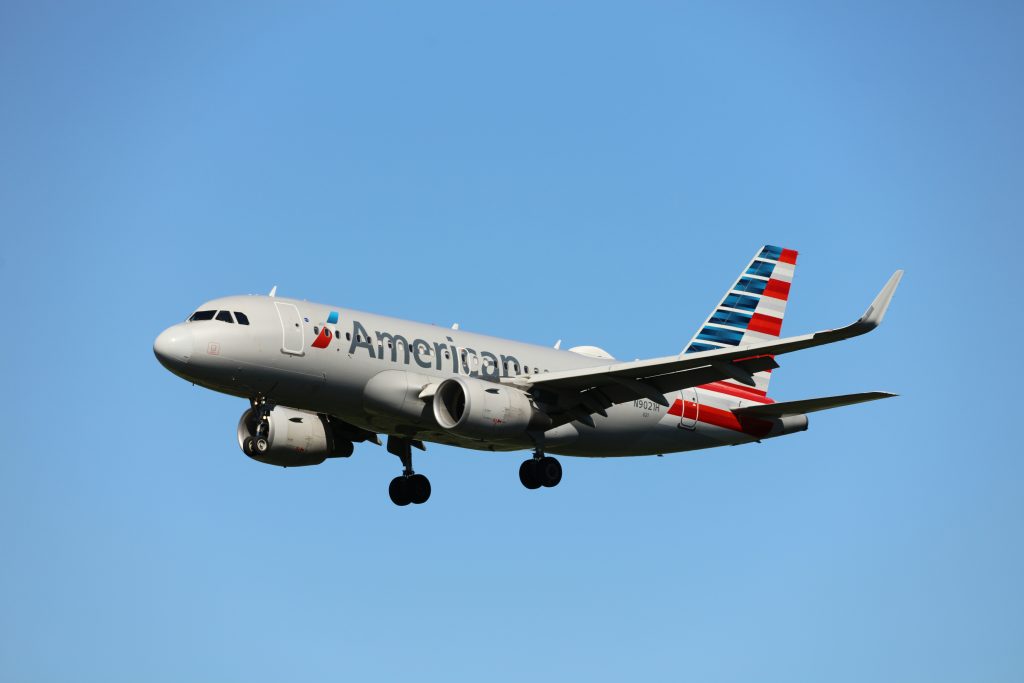
FORT WORTH, United States, American Airlines Holdings projected a wider annual net loss during its third quarter earnings release as volatile jet fuel expenses pressure operating margins. Management confirmed plans to curb capacity expansion to safeguard capital reserves and absorb elevated operational costs.

The strategic retrenchment highlights how energy volatility disrupts airline earnings recovery across global travel corridors. Major network operators face narrowing yields as elevated fuel outlays outstrip passenger ticket revenue gains.
The carrier intends to optimize existing domestic corridors rather than deploy aircraft onto speculative routes. Slowing fleet utilization enables the group to manage heavy debt loads without compromising scheduled flight reliability. Industry observers anticipate that rival carriers may mirror this disciplined approach to protect operating cash flow.
Fuel expenditure remains an acute vulnerability for airline equity valuations and debt servicing commitments. Management continues to evaluate operational hedging mechanisms to insulate quarterly earnings from global crude oil market swings. Unhedged exposure could restrict future capital expenditures if refining margins widen further over coming quarters.
The projection serves as an operational bellwether for the broader North American transportation industry. American Airlines’ capacity discipline could limit seat availability and lift average domestic ticket yields. Sustained borrowing costs also influence corporate debt refinancing schedules across major commercial fleet operators.
Elevated capital costs restrict the pace of fleet modernization programs and sustainable aviation fuel adoption. Federal Reserve benchmark rates maintain upward pressure on equipment financing expenses for capital-intensive carriers. Commercial operators must therefore prioritize immediate balance sheet consolidation over aggressive long-term network growth.

Written by
Tumisang Bogwasi, Founder & CEO of Brimco. 2X Award-Winning Entrepreneur. It all started with a popsicle stand.