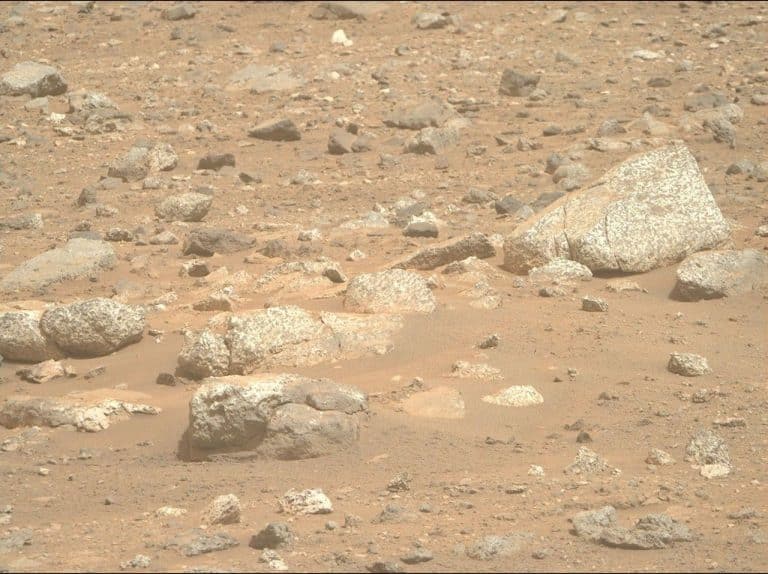
The Artemis II crew visited the Apollo 14 Moon Tree, a sycamore sapling grown from seeds taken to the Moon, highlighting the continuity of human lunar exploration and the enduring legacy of past missions.
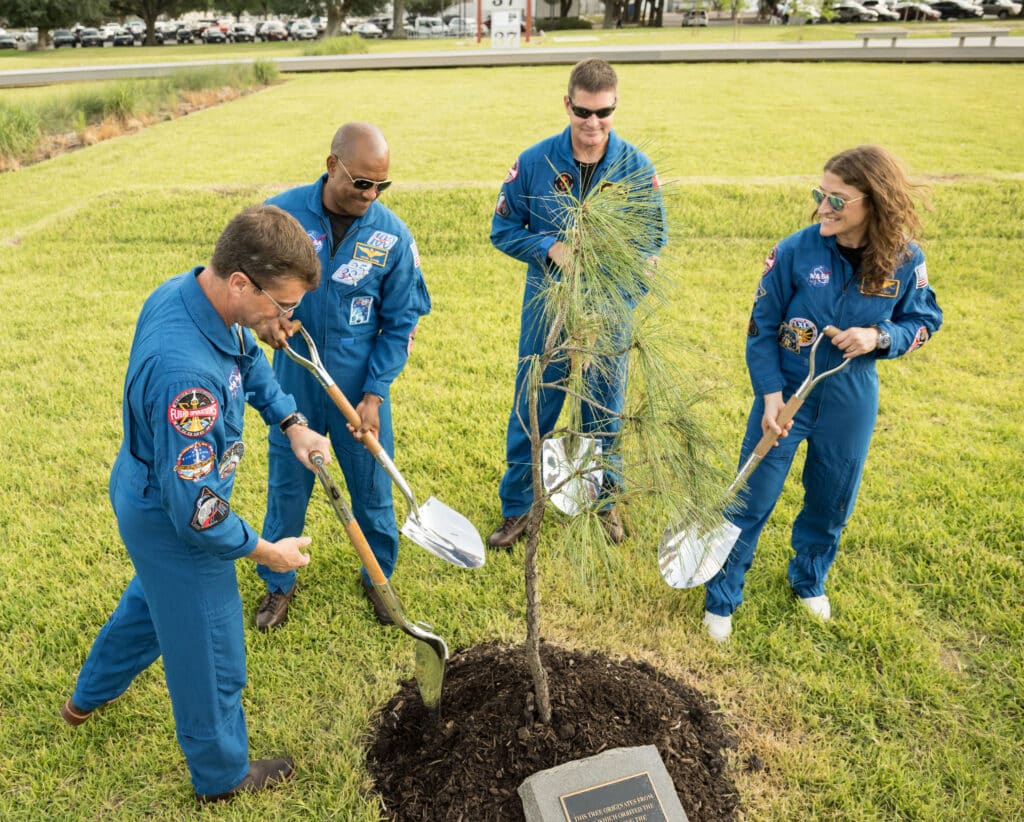
The four astronauts selected for NASA’s Artemis II mission, a pivotal step in returning humans to the lunar surface, recently visited a living link to the Apollo era: the Apollo 14 Moon Tree. This sycamore sapling, grown from seeds that orbited the Moon aboard Apollo 14 in 1971, serves as a botanical testament to the historical reach of human space exploration.
The Artemis II crew, Commander Reid Wiseman, Pilot Victor Glover, and Mission Specialists Christina Koch and Victor J. Glover, met with the sapling at NASA’s Johnson Space Center in Houston. This encounter underscores the generational connection between the pioneering missions of the past and the ambitious future of NASA’s lunar program.

The Apollo 14 mission, commanded by Alan Shepard, carried approximately 500 tree seeds on its journey around the Moon. Upon their return to Earth, these seeds were germinated and planted across the United States and globally, becoming known as “Moon Trees.” The sycamore visited by the Artemis II crew is one of these significant specimens, symbolizing the expansive impact of space missions.
Artemis II is scheduled to carry astronauts on a journey around the Moon, testing critical systems and capabilities necessary for future lunar surface operations. The mission is set to build upon the foundational achievements of the Apollo program, including the scientific and exploratory endeavors represented by the Moon Trees.
The connection forged between the Artemis II crew and the Apollo 14 Moon Tree highlights a broader strategy within the United States space program to honor its heritage while pushing the boundaries of exploration. This symbolic gesture reinforces public engagement and underscores the long-term vision for sustained human presence beyond Earth’s orbit.
For the aerospace sector, the Artemis program represents significant investment and opportunity, driving innovation in spacecraft design, life support systems, and advanced materials. The successful execution of Artemis II will pave the way for subsequent missions, including potential landings and extended stays on the lunar south pole, potentially leading to the establishment of a permanent lunar base.
The continuity symbolized by the Moon Tree also speaks to the enduring scientific and cultural impact of space exploration. The seeds carried by Apollo 14 have grown into mature trees, mirroring the gradual but persistent advancement of space technology and human ambition, with NASA’s continued efforts in lunar and Martian exploration building on decades of foundational work.

Written by
Tumisang Bogwasi, Founder & CEO of Brimco. 2X Award-Winning Entrepreneur. It all started with a popsicle stand.