


NASA analysis identifies potential subsurface water reservoirs on Mars that could significantly reduce the cost and resource requirements for future human space exploration missions.
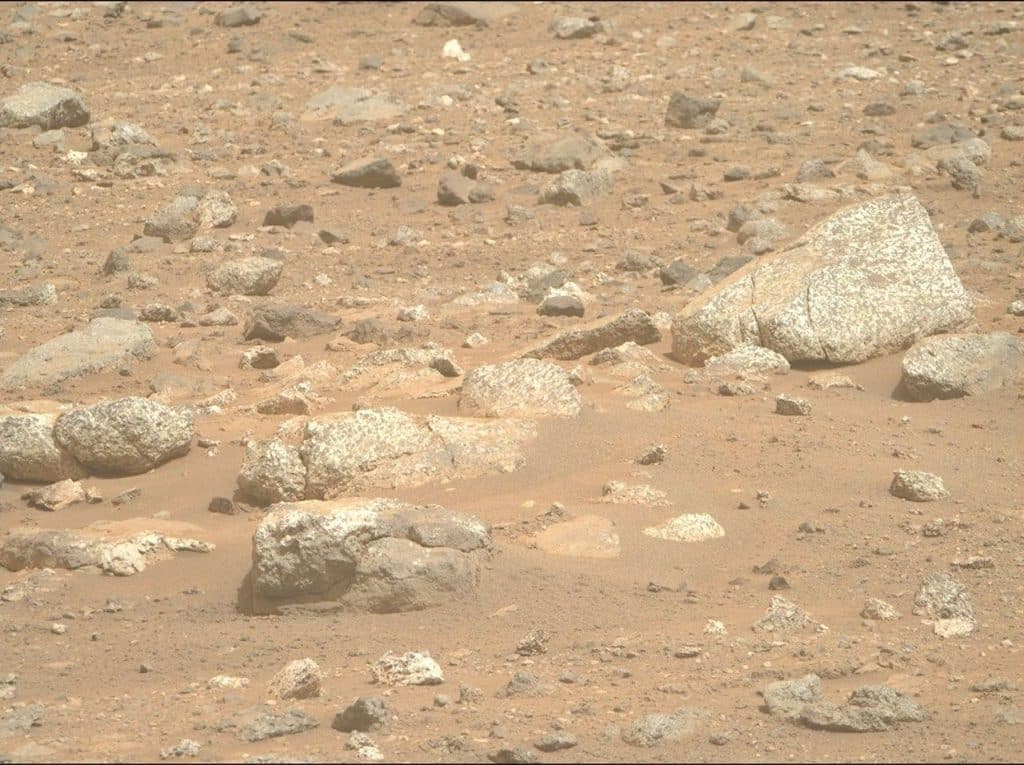
Washington, United States – NASA scientists identified geological signatures suggesting ancient subsurface water reservoirs within the Martian crust. The data indicates liquid water persisted deep within the crust for billions of years despite surface aridity. This discovery alters the framework for microbial life searches and logistical feasibility for human habitation.

Recent analysis centers on orbital observations and surface-based mineralogy. Researchers suggest Mars once possessed a thick atmosphere capable of supporting liquid water before atmospheric loss. A volume of this water infiltrated porous layers of the crust instead of evaporating.
Mineral formations occurring only in water support these deep reservoirs. For the aerospace industry, this represents a shift in in-situ resource utilization planning. Accessible water reduces mass requirements for Earth-based launches by allowing missions to target specific geological formations.
Identification of water sources has financial implications for SpaceX and NASA. Water serves as a requirement for life support and provides hydrogen and oxygen for rocket fuel. If subsurface deposits are tapped, the cost-per-kilogram of sustaining Mars-based outposts decreases.
Current focus remains on surface-level exploration like the Perseverance rover. Evidence of deep-seated water suggests the next phase requires advanced drilling capabilities. This evolution demands new technologies in robotic drilling and autonomous sensing for extreme environments.
The presence of ancient water addresses astrobiology. Stability of subsurface environments over geological timescales provides conditions for life to persist. Mapping prevalent water areas allows scientists to prioritize locations for chemical fossils indicating past biological activity.
Watch: NASA animation reveals possible water flow on Mars

Written by
Tumisang Bogwasi, Founder & CEO of Brimco. 2X Award-Winning Entrepreneur. It all started with a popsicle stand.


