


Figma has unveiled a suite of features designed to standardize how AI agents interact with design files, signaling a shift toward autonomous product design cycles.
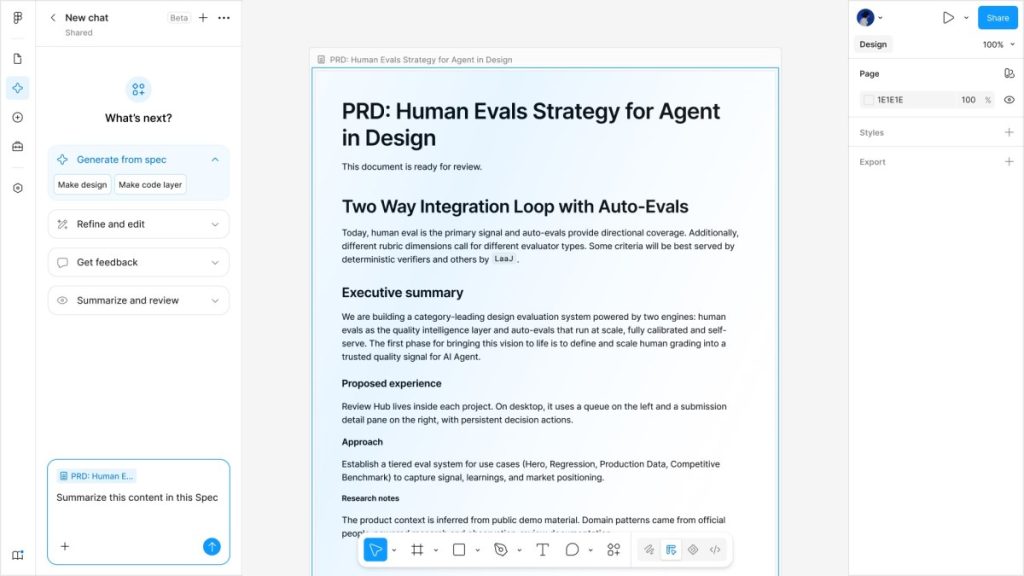
SAN FRANCISCO, United States – Figma, the design software leader, has introduced a new technical framework designed to govern how AI agents operate within its [](https://www.brimco.io/news/ando-slack-rival-human-agent-messaging-platform/)collaborative platform. The update marks a transition from simple generative AI tools to sophisticated autonomous agents capable of executing multi-stage design tasks, code generation, and documentation updates.
The new features provide standardized APIs that allow third-party AI models to navigate Figma layers with high precision. By defining clear boundaries for agent behavior, Figma aims to prevent design debt while ensuring that automated workflows maintain the structural integrity of complex digital design systems. This move directly addresses the growing demand for efficiency in high-pressure software development environments and product teams globally.

nThe core of the announcement centers on the creation of specific environments where AI agents can read and modify design tokens. Unlike previous AI integrations that generated static images or basic layouts, these agents can perform iterative edits across entire projects. This capability allows teams to automate routine tasks such as updating responsive breakpoints or synchronizing design libraries with live code without manual intervention.
Figma engineers emphasized that the goal is not to replace the designer but to eliminate the mechanical grunt work. By providing a structured framework, the platform ensures that AI-generated elements adhere to established design systems and constraints. This governance is critical for enterprise-level clients where consistency across thousands of screens is a requirement.
The launch comes as the competition for AI-integrated tooling intensifies among major tech players and specialized startups. As Adobe continues to integrate Firefly into its Creative Cloud, Figma is leveraging its deep integration in the developer-centric ecosystem. By opening its platform to agent-based workflows, Figma creates a network effect where developers build specialized tools that rely on the Figma infrastructure.
Industry analysts suggest that this shift could redefine the role of the product designer. If design files become dynamic data sources for agents, the traditional boundary between design and engineering will continue to blur. This evolution places Figma at the center of the next wave of software development, moving beyond static prototyping into active orchestration.

Written by
Tumisang Bogwasi, Founder & CEO of Brimco. 2X Award-Winning Entrepreneur. It all started with a popsicle stand.


