SpaceX successfully launched the Starship vehicle into orbit, marking a critical technical milestone for the private aerospace firm's lunar and Martian exploration ambitions.
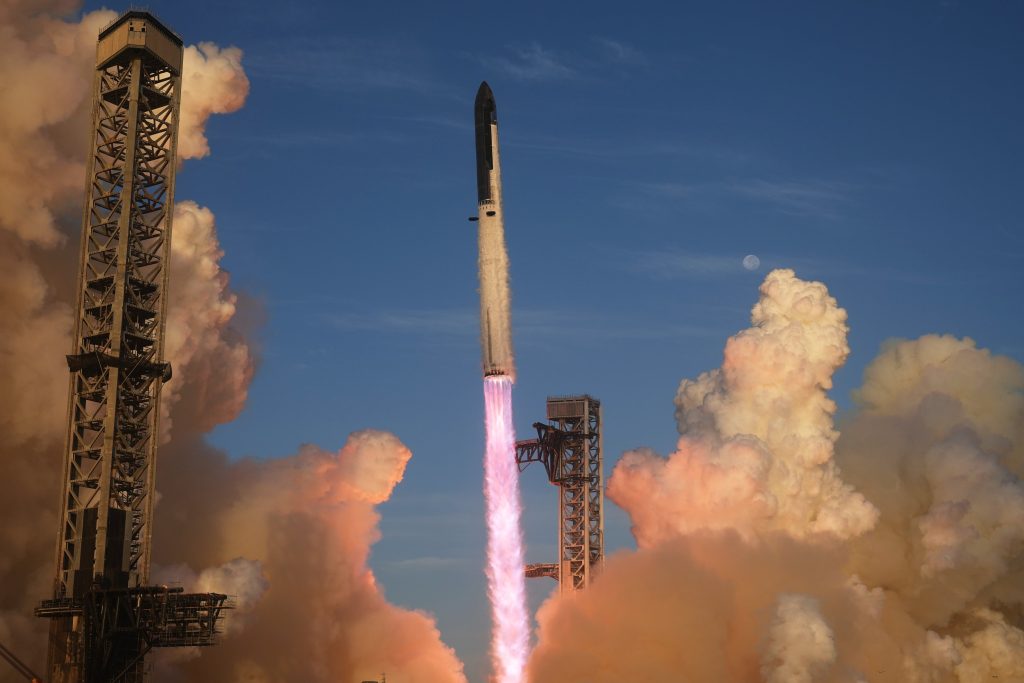
Boca Chica, Texas – SpaceX has achieved a primary milestone in aerospace engineering by successfully sending its Starship vehicle into orbit during its latest test flight. The flight represents the first integration of the Super Heavy booster and the Starship upper stage, designed to be fully reusable to drastically reduce the cost of access to Earth and deep-space orbits.

The Starship system is the most powerful rocket ever constructed, featuring 33 Raptor engines on the Super Heavy booster. During the mission, the booster achieved hot-separation, after which the Starship upper stage performed its engine burns to reach orbital altitude. While the vehicle faced challenges during the atmospheric reentry phase, the data gathered confirms the structural integrity and flight control systems required for future iterations.
SpaceX relies on an iterative software-defined approach to manage the complexity of these systems. According to industry analysis of software-defined hardware trends, this methodology allows for rapid adjustments between flight tests, far surpassing traditional aerospace development cycles.
The success of the Starship has significant implications for the United States federal space strategy. NASA has selected SpaceX to provide the Human Landing System (HLS) for the Artemis program, which aims to return astronauts to the lunar surface. This orbital milestone ensures that the timeline for lunar infrastructure remains viable, despite the high risks associated with experimental-stage hardware.
Beyond lunar goals, the ability to move massive payloads into orbit disrupts the current launch market. By targeting a capacity of hundreds of tons per launch, SpaceX challenges the monopoly of state-backed legacy heavy-lift providers. This shift directly impacts the valuation of private aerospace entities and the strategic priorities of the defense department.
The rapid development of Starship reinforces the United States leadership in the commercial space economy. As Washington seeks to maintain orbital dominance, the domestic ability to deploy heavy infrastructure becomes critical for national security.

Written by
Tumisang Bogwasi, Founder & CEO of Brimco. 2X Award-Winning Entrepreneur. It all started with a popsicle stand.