Persistent UK energy cost pressures and central bank rate path divergence elevate external debt refinancing costs for Sub-Saharan African sovereigns.
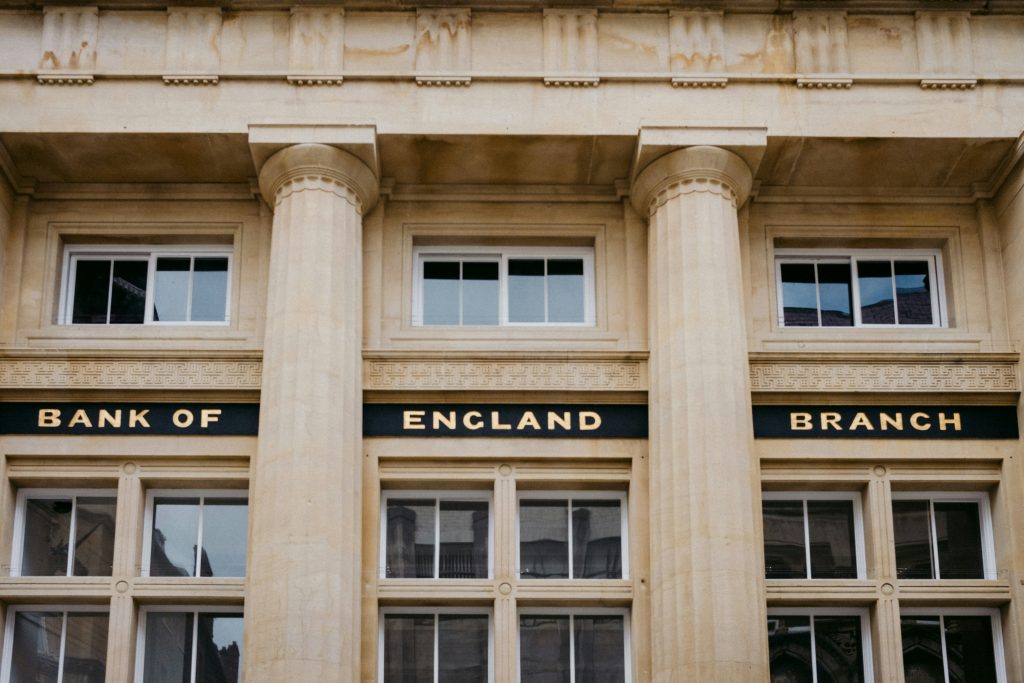
London, United Kingdom : Advanced economy monetary tightening is amplifying liquidity stress across emerging markets as the Bank of England confronts persistent energy price volatility. Traders recalibrating G7 interest rate trajectories have widened credit spreads on hard-currency sovereign debt, compounding fiscal vulnerabilities across Sub-Saharan Africa.

Financial markets continue pricing aggressive additional monetary tightening, creating friction with central bank growth projections. Persistent headline inflation compelled rate setters to lift benchmark borrowing costs, as tracked during the UK monetary policy review. Elevated utility bills and domestic wage demands have entrenched underlying services inflation across the British economy.
Money market expectations for prolonged policy tightening contrast sharply with macroeconomic forecasts projecting a rapid deflationary drag once energy base effects take hold. Central bank governors must balance mandate compliance against deteriorating domestic indicators. Misjudging the rate path risks triggering an extended economic contraction that suppresses real investment.
Institutional analysts argue that advanced economy benchmark rates are nearing their peak. Currency and fixed-income specialists at BNP Paribas Wealth Management suggest monetary policy rapidly approaches its terminal level as private demand softens. That perspective diverges from earlier market pricing that discounted persistent quarter-point increases through year-end.
The policy impasse reflects differing assessments of international commodity pass-through mechanics and labor market stickiness. A decisive pause in interest rate hikes would stabilize duration exposure for global portfolio managers. A hawkish overextension, however, threatens to drain capital allocations from higher-yielding frontier assets.
Elevated core yields in London and global financial centers are accelerating capital rotation out of African frontier markets. Sovereign debt managers across Sub-Saharan Africa face rising coupon obligations on dollar- and sterling-denominated Eurobonds, as documented in sovereign vulnerability assessments by UNCTAD debt analysis. Elevated debt service payments are restricting fiscal capacity for key public infrastructure across the continent.
Commercial lenders in economies such as Ghana, Kenya, and Nigeria must adjust domestic base rates to counteract foreign exchange depreciation. The widening policy rate spread between developed hubs and African central banks continues to depress local currency values. African central bank governors are forced to utilize foreign exchange reserves to limit currency deterioration.
Institutions such as the African Development Bank continue urging member states to prioritize structured debt swaps and local-currency bond issuance. Deepening intra-continental trade under the African Continental Free Trade Area framework also offers regional protection against global currency shocks. Reducing import dependencies helps insulate developing economies from advanced-economy monetary divergence.
Global bond desks expect sovereign yield curve repricing to persist until major central banks deliver coordinated guidance. The prospect of higher-for-longer policy rates reinforces fiscal discipline across emerging markets. Sovereign borrowers that delay liability management operations risk abrupt access halts to private capital markets.
Refinancing hurdles will determine the pace of public debt restructuring across the African Union over the medium term. Frontier sovereigns able to negotiate multilateral concessions will maintain liquidity buffers despite elevated external rates. For now, volatile energy shocks in advanced economies continue to dictate borrowing terms across developing financial systems.

Written by
Tumisang Bogwasi, Founder & CEO of Brimco. 2X Award-Winning Entrepreneur. It all started with a popsicle stand.