Botswana's Minister of Higher Education, Research, Science, and Technology, Dr. Douglas Lekwatshwene, lauded the International School of Business Studies (ISBS) as a critical partner in enhancing the nation's human capital. This commendation underscores the government's strategic focus on vocational training and education to drive economic diversification and reduce reliance on its dominant diamond industry.
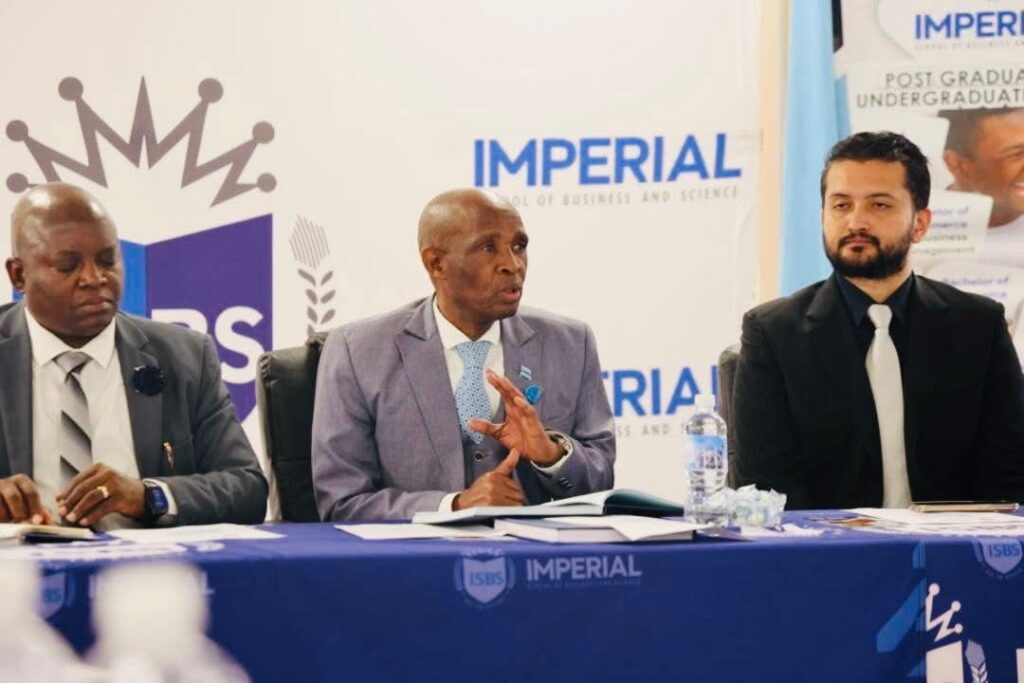
GABORONE, Botswana – The Botswana government is intensifying efforts to bolster its human capital, recognizing robust skills development as essential for national economic diversification. Dr. Douglas Lekwatshwene, Minister of Higher Education, Research, Science, and Technology, recently acknowledged the International School of Business Studies (ISBS) as a key collaborator in transforming the country’s higher education landscape, particularly in vocational training.
The Minister’s remarks highlight the government’s commitment to equipping Botswana’s workforce with practical skills demanded by a modernizing economy. This strategic focus aims to cultivate a resilient economic structure less dependent on traditional sectors like diamond mining, which has historically been a significant, yet volatile, contributor to the nation’s Gross Domestic Product (GDP).

Botswana consistently allocates a substantial portion of its national budget to education. In the 2023 fiscal year, the Ministry of Education and Skills Development received the largest share of the recurrent budget, approximately P11.23 billion (USD 800 million), representing 23.3 percent of the total recurrent budget, according to the 2023 Budget Speech from the Ministry of Finance and Economic Development. This investment underscores the government’s long-term strategy to foster a knowledge-based economy.
The focus on institutions like ISBS, which provide specialized technical and vocational courses, is crucial for bridging the skills gap within various industries. By aligning educational outputs with market demands, Botswana aims to create a more competitive and productive workforce capable of driving innovation and entrepreneurship across emerging sectors.
Botswana, renowned for its diamond production, has actively pursued economic diversification for decades to mitigate commodity price volatility and foster sustainable growth. Initiatives to enhance human capital, particularly through vocational and technical education, are central to this strategy. A skilled workforce can attract foreign direct investment and support the growth of non-mining sectors such as manufacturing, tourism, and services.
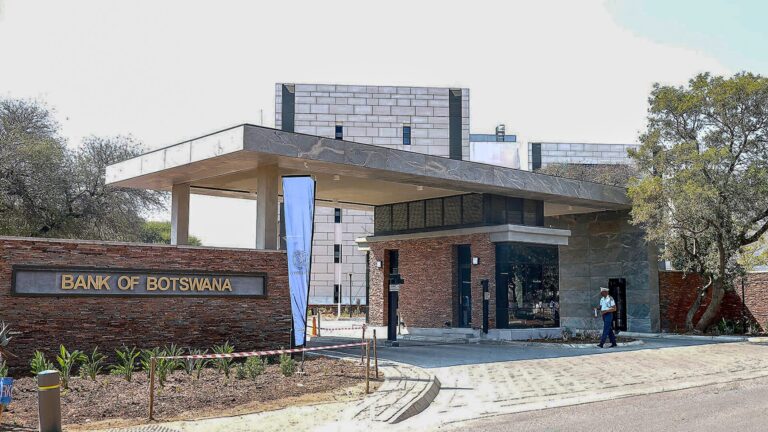
The Bank of Botswana closely monitors economic indicators, understanding that a diversified economy contributes to greater macroeconomic stability and Pula currency resilience. Educational reforms that address current and future industry needs are integral to achieving these broader economic objectives.
Botswana’s proactive approach to skills development and economic diversification serves as a model for other African nations seeking to transition from resource-dependent economies. By investing heavily in education and fostering partnerships with vocational institutions, Gaborone demonstrates a tangible commitment to creating a sustainable economic future.
Increased domestic employment and a more skilled labor pool can lead to higher tax revenues for the Botswana Unified Revenue Service (BURS), supporting national development projects. Furthermore, a robust educational sector enhances the country’s attractiveness as a regional hub for business and investment, potentially drawing more listings to the Botswana Stock Exchange (BSE) and improving overall investor confidence in the broader Southern African market region.

Written by
Tumisang Bogwasi, Founder & CEO of Brimco. 2X Award-Winning Entrepreneur. It all started with a popsicle stand.