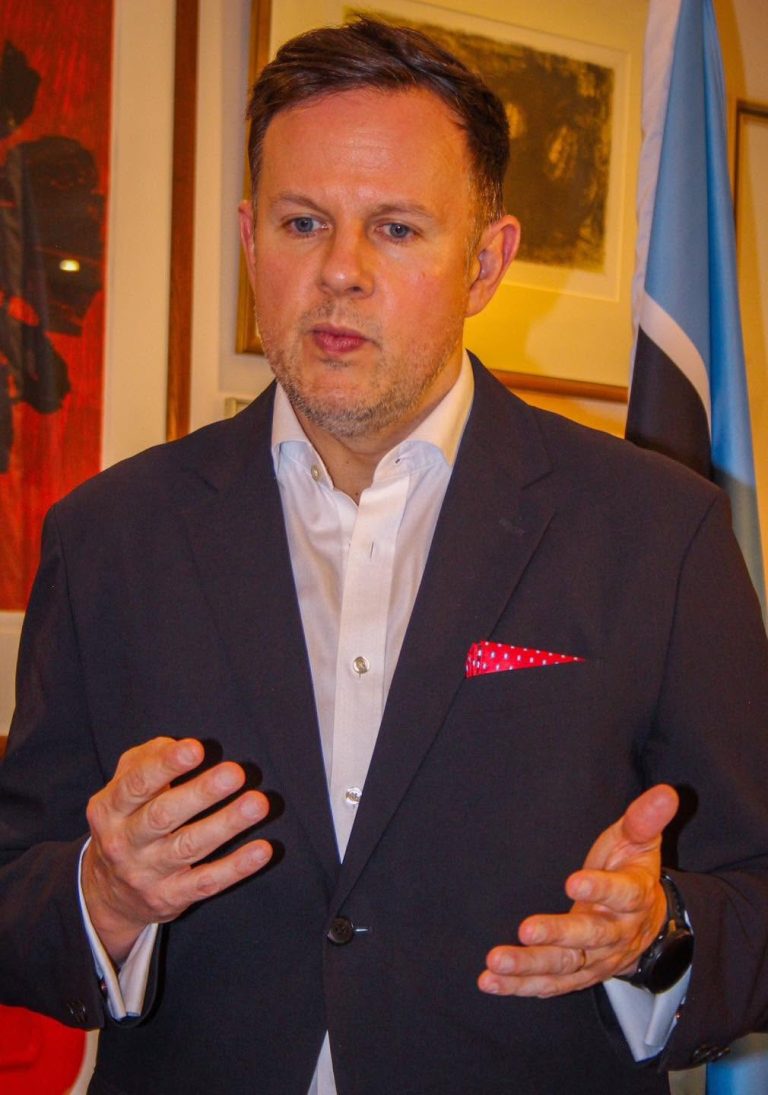
Minister Moeti Mohwasa hosted General Emmanuel Matatu in Gaborone on 17 November and called for joint responses to transnational organised crime and cattle rustling along the shared border.
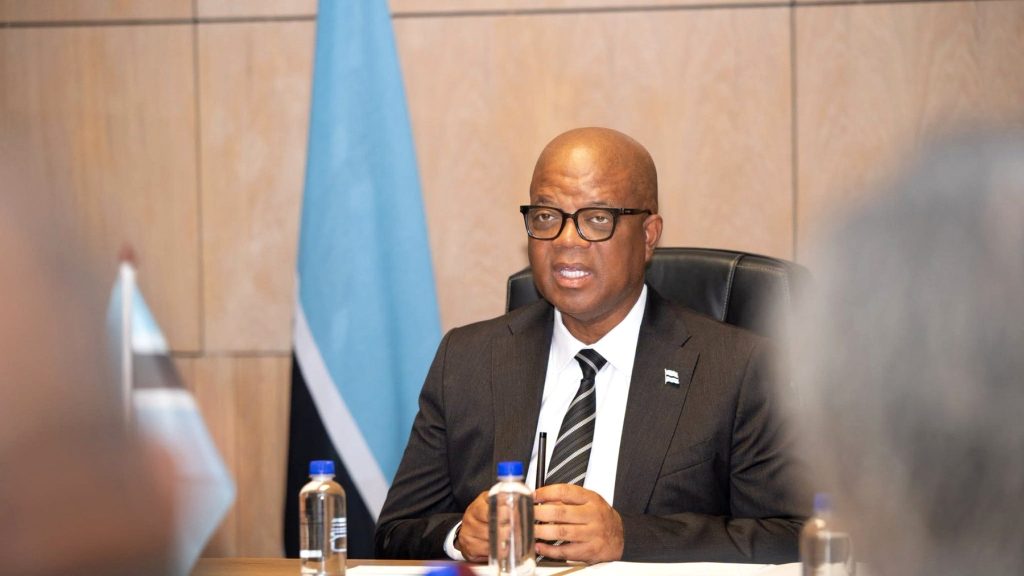
GABORONE, Botswana – The Minister for State President, Defence and Security, Moeti Mohwasa, hosted the Chief of the Zimbabwe Defence Forces, General Emmanuel Matatu, and his delegation on a courtesy visit in Gaborone on 17 November. The Government of Botswana said General Matatu is in the country for a five-day official engagement, following an invitation by the Commander of the Botswana Defence Force, General Mpho Mophuting.

The government said the visit offers an opportunity for the two countries to strengthen defence cooperation, discuss shared security priorities and deepen military-to-military relations.
According to the official account of the meeting, Minister Mohwasa highlighted the longstanding ties between Botswana and Zimbabwe, rooted in their shared liberation history, geographical proximity and strong people-to-people connections. He emphasised the importance of closer collaboration in addressing cross-border security threats, particularly transnational organised crime and cattle rustling. The government said he called for stronger coordination, joint responses and regular engagements between the two defence establishments to enhance their capacity to tackle those shared security challenges. The official statement did not attribute any direct quotations to either official.

The security agenda has a direct commercial edge. Cattle rustling strips livestock from farming households and trading businesses along the border, and it is also an animal-health risk: stolen or smuggled cattle can carry foot-and-mouth disease (FMD) across unfenced stretches of the frontier. In a 1 June 2026 update, the Ministry of Lands and Agriculture said a first round of FMD vaccination had already been completed within a 40-kilometre belt in Zimbabwe along the Botswana border, with a second round then due in mid-June.
Those animal-health controls matter for the Botswana Meat Commission and for beef exporters. Ecofin Agency reported on 5 October 2026 that an April 2026 European Union regulation had removed Botswana’s remaining eligible veterinary zones from the list of areas authorised to supply fresh beef to the EU, after FMD-free status was suspended in several zones. The same report said BMC recorded P1.04 billion of revenue and an unaudited profit of P54.3 million in 2025, after slaughtering 62,204 cattle at its Lobatse plant, and that acting chief executive Mmabasotho Tibe had warned in January that alternative markets generally did not offer the same prices as the EU and Norway. South African feedlots have also halted imports of Botswana cattle over biosecurity concerns, and earlier FMD movement controls were challenged in the livestock trade.
Cattle theft is already being treated as a regional organised-crime problem. Zimbabwe’s DailyNews reported on 20 April 2026 that the two countries were ramping up joint border patrols against stock theft along their shared frontier. In early November, speaking at a workshop on Botswana’s strategy against transnational organised crime, Mohwasa said that between 2023 and 2026 a total of 3,441 livestock, predominantly small stock, had been reported stolen in Botswana and taken across the border into South Africa, with only 480 recovered, Mmegi reported. He said the losses destroyed family investments and household incomes, and called for stronger cooperation with neighbouring countries. That tally refers to the South African border, not the Zimbabwe frontier, but it is the most recent official figure he has given of cross-border livestock theft.

Closer military-to-military contact will not, on its own, restore EU market access or stop rustling. It does, however, go to the practical questions that farmers, BMC and border traders face: whether the two defence establishments can coordinate patrols, share intelligence and respond jointly when cattle, and the disease risk that moves with them, cross the line.

Written by
Tumisang Bogwasi, Founder & CEO of Brimco. 2X Award-Winning Entrepreneur. It all started with a popsicle stand.