


The state utility's environmental plan sets out a World Bank-backed battery beside the Mmadinare solar plant, with construction pencilled in for 2027.
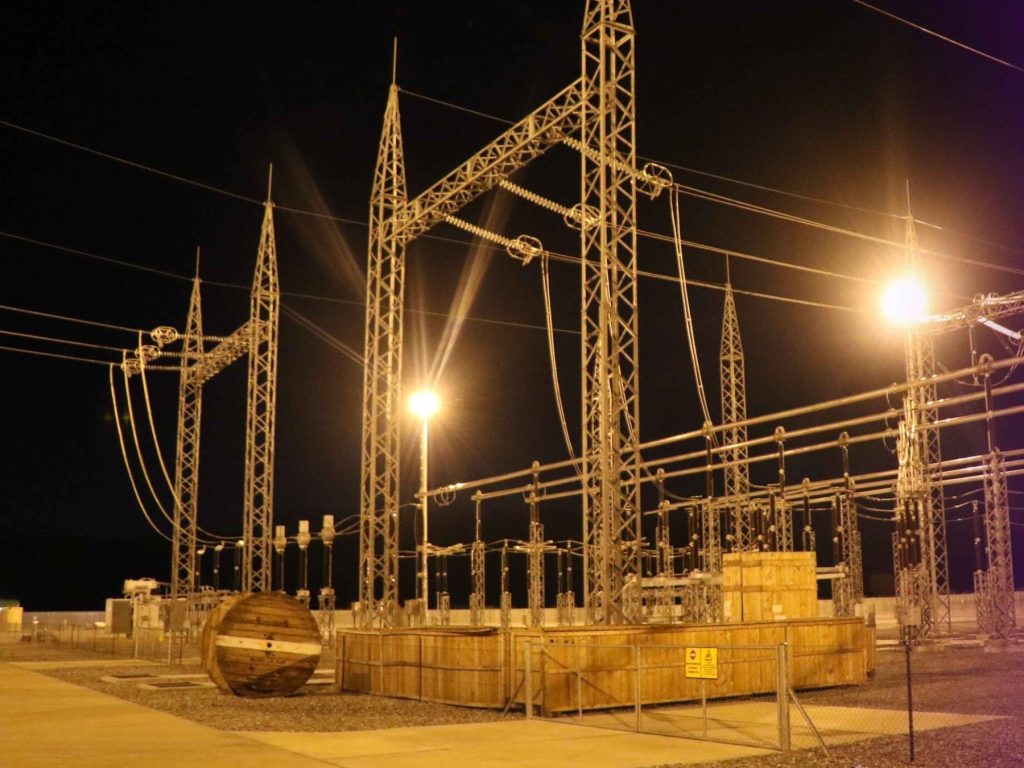
GABORONE – Botswana Power Corporation (BPC) has published the environmental and social management plan for a 25 MW / 100 MWh battery energy storage system near Mmadinare, opening the project to public comment before regulators decide on it. The state utility posted the plan on 10 November and asked the public to send comments to renewableenergysupportproject@bpc.bw.
The battery is part of the Renewable Energy Support and Access (RESA) Project. BPC said it will store power from the 100 MW Mmadinare solar plant and release it when solar output is low, especially during the evening peak.

According to the plan, prepared by consultants Fikifeather (Pty) Ltd and dated 6 November 2026, the battery will sit on Lot 4720, a 40-hectare plot about 8 km south-east of Mmadinare in Bobirwa District that the Ngwato Land Board allocated to BPC. Only about 2 hectares will be fenced and developed.
The other 38 hectares will stay open for grazing and the collection of veld products.
The system will be containerised, with battery banks, power conversion equipment, a transformer and switchgear. The containers will rest on removable concrete slabs rather than permanent foundations, which the plan says reduces ground disturbance and makes decommissioning simpler.
Potable water will come from the Water Utilities Corporation connection that already serves the neighbouring solar farm, so no new borehole is planned.
The plan names the World Bank as the project donor and says it meets both Botswana’s Environmental Assessment Act and the World Bank’s Environmental and Social Framework, applying the stricter standard where the two differ. The Department of Environmental Protection ruled that a full environmental impact assessment was not needed and asked for a management plan instead.
Construction is pencilled in for 2027 and expected to take 9 to 12 months, with a 60-year site life to 2087. The plan expects about 50 workers at peak, and at most 100. Before final approval, a summary is to run in the Daily News in Setswana and English for two consecutive weeks.
Earlier consultations included kgotla meetings in October 2025, one with 116 participants. The plan found no resettlement is needed.
Storage addresses the weakness of solar power: it does not generate after sunset, when household demand peaks. The adjoining solar cluster, developed by BPC and Scatec, had 50 MW running and 50 MW under construction as of January 2026, according to the plan.
BPC released a matching plan for a 25 MW / 100 MWh battery at Jwaneng on 27 October.
The policy test is whether new storage cuts the cost of imports and diesel peaking without adding to tariffs. Brimco reported that President Duma Boko told Parliament power imports had fallen as solar came online, and that BERA raised BPC tariffs 9% for 2026/27. The plan does not give a project cost.

Written by
Tumisang Bogwasi, Founder & CEO of Brimco. 2X Award-Winning Entrepreneur. It all started with a popsicle stand.


