October's shortfall was $125 billion larger than a year earlier, partly because of payment timing, leaving 12-month borrowing at about $2.1 trillion.
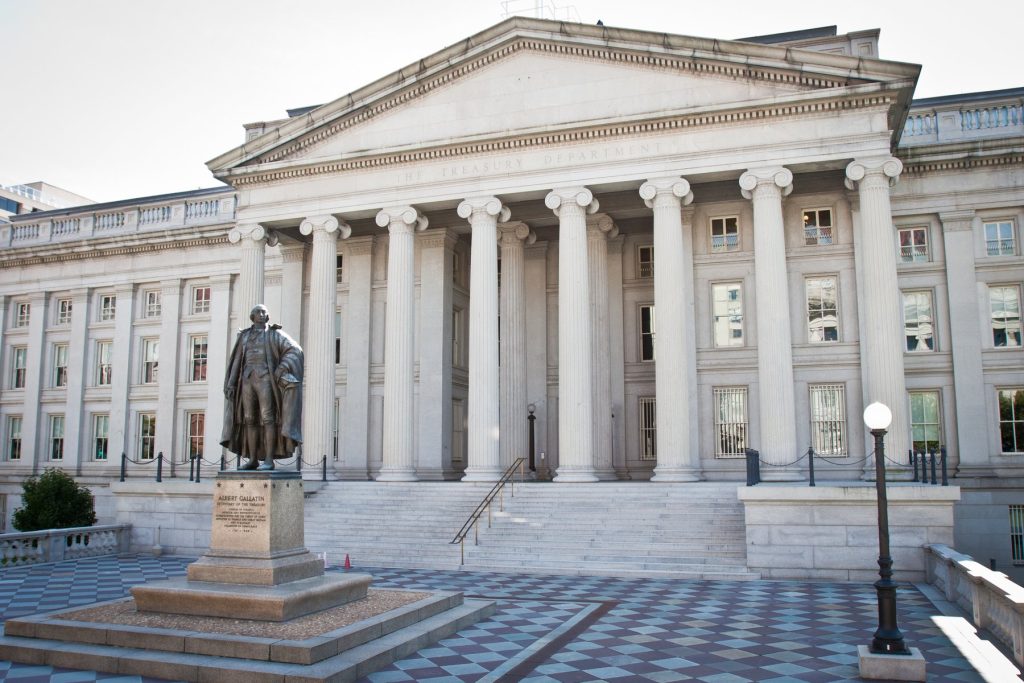
WASHINGTON – The US federal government ran an estimated deficit of $409 billion in October, the first month of fiscal year 2027, according to the Congressional Budget Office (CBO). The shortfall was $125 billion larger than in October 2025.

The Committee for a Responsible Federal Budget (CRFB), which advocates for smaller deficits, said the October deficit was the difference between about $778 billion in spending and $369 billion in revenue. Part of the increase reflected the timing of payments that would normally be made on November 1; that date fell on a weekend in both 2025 and 2026, pushing those payments into October, Fortune reported. Standardising for weekends and holidays, the deficit would have been $95 billion larger year on year, The Fiscal Times reported, citing the CBO.
Over the 12 months from November 2025 to October 2026, total revenue was $5.4 trillion and spending $7.5 trillion, according to CRFB, which estimates the $2.1 trillion rolling deficit at about 6.5% of gross domestic product.
For fiscal 2026, which ended in September, the CBO put the deficit at $1.9 trillion, or 6.2% of GDP, up from 5.8% the year before and above the 50-year average of 3.8%, Fortune reported. Interest on the public debt cost $1.14 trillion. Revenue rose by $169 billion, helped by individual income and payroll taxes, while outlays rose by $217 billion, mostly from Social Security, Medicare and Medicaid.
“We are just one month into the new fiscal year, and astonishingly we have already borrowed $409 billion,” CRFB president Maya MacGuineas said. Ahead of the December 11 government funding deadline, she called on Congress to avoid new deficit spending.
The Treasury bought back longer-dated, higher-yielding debt over the summer while relying more on shorter-term borrowing, an approach Treasury Secretary Scott Bessent has described as a “Treasury twist,” according to Fortune. Longer-dated yields have since eased, helped by factors including tough Federal Reserve talk on inflation and a sell-off in AI stocks.
Large and persistent US deficits mean heavy Treasury issuance, which can push up global borrowing costs and affect capital flows to emerging markets, including in Africa. With interest costs above $1 trillion a year and the Fed signalling possible rate rises, the cost of servicing US debt is likely to stay a focus for bond investors.

Written by
Tumisang Bogwasi, Founder & CEO of Brimco. 2X Award-Winning Entrepreneur. It all started with a popsicle stand.