Chinese regional planners and real estate developers are shifting capital away from concrete megaprojects toward lightweight, sustainable cultural infrastructure following RoarcRenew Architects' victory at the Frame Awards 2026.
BEIJING, China : Chinese regional authorities and commercial developers are steering capital away from concrete megaprojects toward lightweight, low-impact cultural architecture. The strategic pivot gained international validation as RoarcRenew Architects secured Cultural Space of the Year for its Anji Hood project in Zhejiang province.

The tea terrace pavilion in Anji triumphed over international competition during Dutch Design Week in Eindhoven, highlighted in South China Morning Post analysis. The selection underscores a broader commercial recalibration across regional real estate, where lightweight timber canopies replace capital-intensive concrete foundations.
Architectural teams deployed point foundations and elevated walkways to follow natural contours without disrupting existing agriculture. These low-impact structural methods reduce material procurement costs, lower construction carbon emissions, and preserve rural topography for long-term commercial hospitality.
Mainland China registered 7,046 operating museums that drew 1.49 billion visits in 2024, documented in official culture ministry records. This intense domestic foot traffic compels regional governments to build agile cultural facilities that absorb visitors without degrading ecological assets.
Surging tourist volume across Chinese cultural sites prompts municipal planners and developers to curb speculative expenditures on monolithic monuments. By deploying decentralized pavilions and prefabricated materials, authorities in Zhejiang and Jiangsu preserve public budgets while complying with national emissions benchmarks.
This capital reallocation aligns with state policy directives favoring high-value ecotourism and green spatial engineering over raw urban expansion. Private developers are restructuring project pipelines to capture municipal support for low-carbon commercial recreation assets.
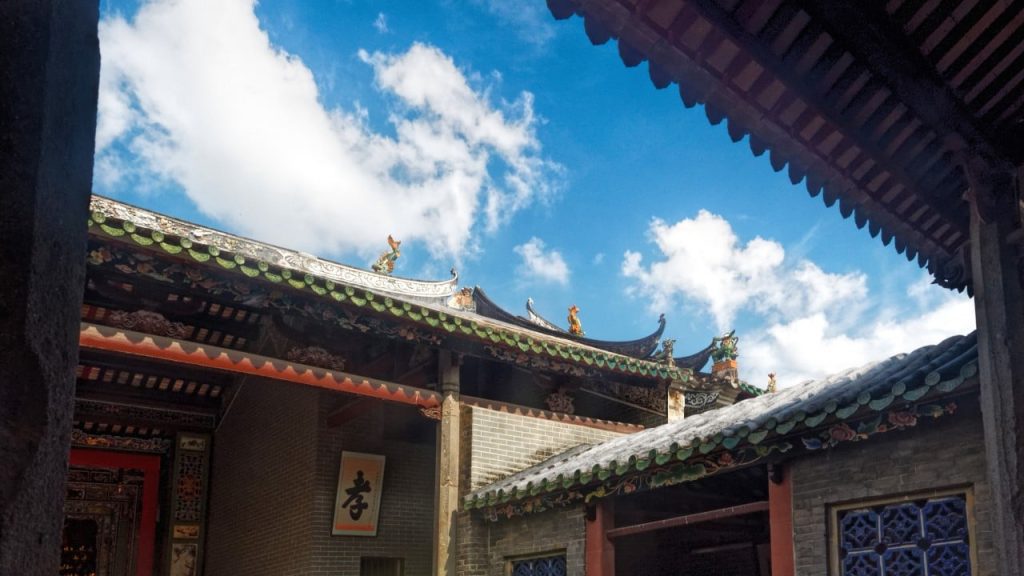
Global recognition for Anji Hood, alongside My Museum Beijing and Huishan Ancestral Hall Museum, positions Chinese firms as leaders in restrained spatial design. Real estate markets increasingly reward developers that demonstrate environmental stewardship, abandoning overleveraged megaprojects.
Financial institutions underwriting municipal cultural bonds favor low-maintenance structural formats that lower project lifecycle liabilities. The resulting credit preference accelerates capital reallocation across regional development funds toward sustainable civic infrastructure.

Written by
Tumisang Bogwasi, Founder & CEO of Brimco. 2X Award-Winning Entrepreneur. It all started with a popsicle stand.