Deezer is implementing a filtering mechanism that allows subscribers to block AI-generated music, signaling a strategic shift toward prioritizing human-centric content in the competitive streaming landscape.
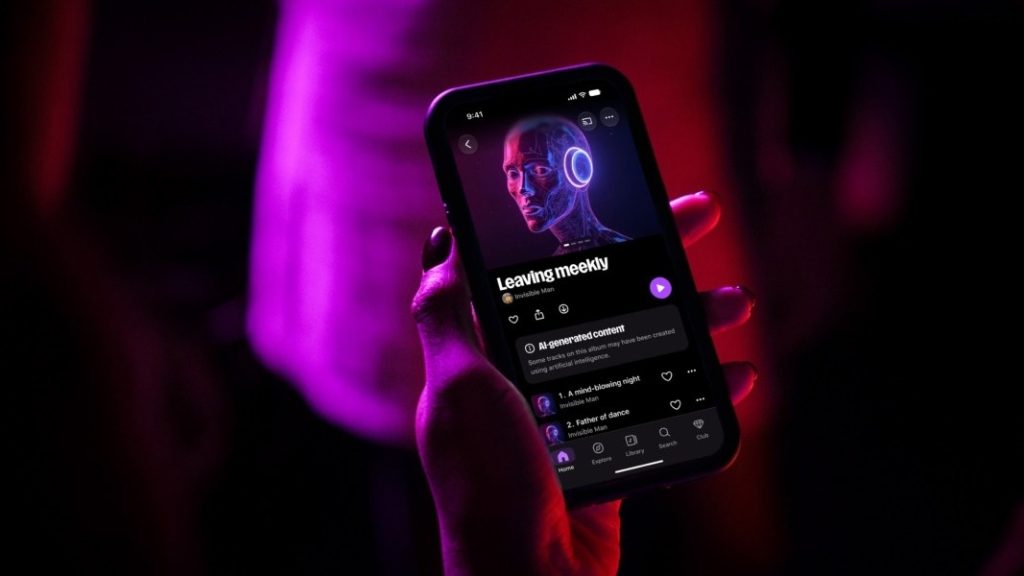
PARIS, France – Digital streaming platform Deezer has announced a new technical feature designed to help users filter out AI-generated music from their listening experiences. The move comes as the industry faces a growing influx of synthetic audio content, which threatens to dilute the royalty pool shared by human creators. By providing a dedicated toggle for artificial intelligence, Deezer aims to position itself as a premium platform for authentic artistry and intellectual property.

The rapid proliferation of generative AI tools has led to a surge in synthetic tracks uploaded to major platforms. Because most streaming services operate on a pro-rata royalty model, the high volume of low-cost AI music can potentially dilute the per-stream payout for human artists. This phenomenon creates a ‘race to the bottom’ where automated-generated functional music may cannibalize the revenue shares of established professional musicians.
Deezer’s intervention reflects a broader industry trend where platforms must differentiate between human effort and machine output. By allowing users to opt out of AI content, the platform is leveraging consumer preference to maintain the value of its human-led catalog. This strategy is likely a defensive move against major labels who have expressed concern over the unauthorized use of artist training data.
Beyond the user experience, the industry is navigating complex legal hurdles regarding copyright and AI training. Many jurisdictions are currently struggling to determine whether training AI on copyrighted material without consent constitutes fair use or infringement. Deezer’s filtering mechanism serves as a proactive technical measure while legal frameworks struggle to catch up with the technical reality of digital audio innovation.
As the digital landscape continues to evolve, the hardware and software infrastructure supporting these platforms must integrate increasingly sophisticated detection algorithms. However, the core conflict remains the economic viability of human creative industries. Deezer’s move suggests that the ‘human-made’ label may become a significant competitive advantage in an increasingly automated technology market.

Written by
Tumisang Bogwasi, Founder & CEO of Brimco. 2X Award-Winning Entrepreneur. It all started with a popsicle stand.