


Mosqitter is evolving its traditional mosquito traps into a sophisticated AI-powered surveillance network, leveraging edge computing to monitor environmental and public health data.
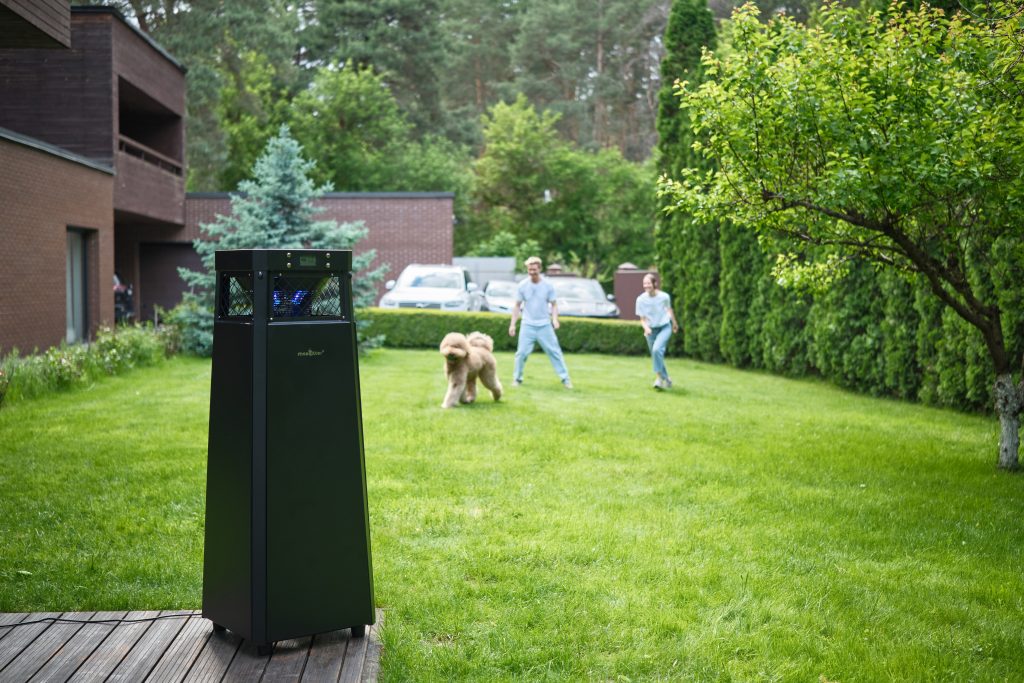
LONDON, United Kingdom – Mosqitter, a firm specializing in automated pest control, is transitioning its core hardware product from simple mosquito traps to a comprehensive AI-powered surveillance network. By integrating edge computing and computer vision into its trap units, the company aims to capture real-time data on insect populations and local environmental conditions.
This strategic shift reflects a broader trend in the hardware industry where passive devices are being repurposed as active nodes for digital data collection. The new infrastructure utilizes machine learning algorithms to identify species with high precision, allowing for more granular mapping of public health risks associated with disease-carrying insect vectors.

The technical transition relies on the deployment of advanced processing power directly within the trap units. Unlike previous iterations that relied on manual collection or basic sensors, the new Mosqitter units process data locally. This reduces the bandwidth required for data transmission and allows for instantaneous alerts when specific invasive species are detected.
By building a network of distributed sensors, Mosqitter is positioning itself as a player in the digital infrastructure space. The data collected is valuable to municipal governments and healthcare organizations tracking outbreaks of malaria, dengue and Zika. The hardware serves as the physical layer for a digital platform that provides predictive analytics based on insect density trends.
The deployment of AI-enabled outdoor hardware carries significant implications for the semiconductor and hardware sectors. As Mosqitter scales its network, the demand for low-power high-performance AI chips is expected to grow. This aligns with the broader industry push toward specialized silicon that can handle complex neural networks at the edge without draining batteries.
Furthermore, the pivot to a surveillance-as-a-service model changes the company’s valuation profile. Instead of selling physical units, the firm is moving toward a subscription-based data model derived from its network. This shift provides recurring revenue and creates a high barrier to entry for competitors in the traditional pest control market.

Written by
Tumisang Bogwasi, Founder & CEO of Brimco. 2X Award-Winning Entrepreneur. It all started with a popsicle stand.


