


Delta Air Lines revised its 2026 financial outlook downward due to surging jet fuel prices that threaten to outpace passenger yield growth.
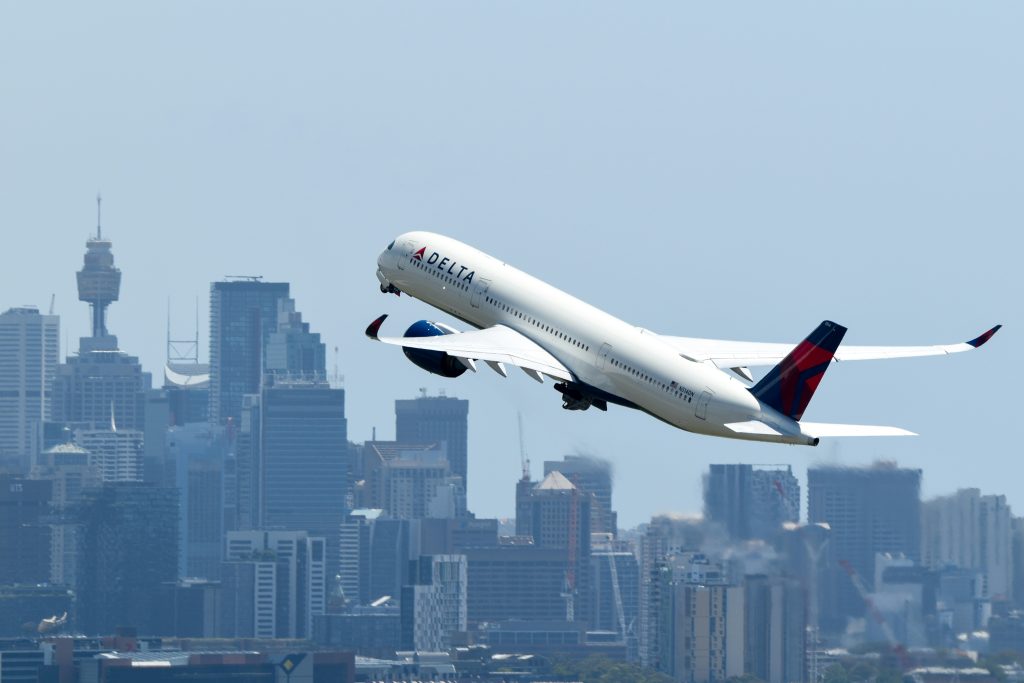
ATLANTA, United States: Delta Air Lines reduced its 2026 financial forecast on Thursday as escalating jet fuel expenses pressured operating margins across the commercial aviation sector. The carrier cut its target in a quarterly earnings statement, indicating that surging energy expenditures outpaced previous revenue estimates.

Delta expects jet fuel expenses to remain elevated through 2026, which restricts operating margin expansion. The airline relies on fare yield adjustments and hedging strategies, yet sudden price spikes outpace incremental ticket revenue. Consequently, equity investors face compressed returns as fuel overhead absorbs top-line travel revenue.
Aviation equity analysts track whether major carriers can transfer rising operating costs directly to passengers. If energy markets maintain elevated levels, airlines may institute aggressive fuel surcharges to defend operating profit. Delta serves as an industry bellwether, indicating that carrier margins remain vulnerable to sudden commodity price shifts.
Underlying passenger demand for premium-class seating remains durable despite broader macroeconomic strain. Atlanta-based Delta continues to generate substantial ticket yields from business travelers and premium leisure bookings. This steady spending demonstrates consumer resilience, buffering the company against immediate volume downturns in domestic and transatlantic corridors.
Management intends to counter higher fuel costs by prioritizing operational discipline and expanding its loyalty program ecosystem. High-margin loyalty partnerships provide dependable revenue streams that help insulate the corporate balance sheet. However, structural energy market pressures continue to test the profitability limits of capital-intensive transport operators.
United States transport operators face higher borrowing and refinancing costs as fuel expenses erode core operational cash generation. Lower earnings visibility forces debt markets to reprice corporate credit spreads across the airline industry. As a result, carrier fleet modernization and capital expenditures may face deferral until operating cash flows stabilize.
Corporate travel budgets and freight pricing across North American commercial hubs also absorb the impact of rising aviation costs. Transport networks adjust pricing algorithms to manage energy swings, influencing broader service-sector inflation measures. Policy makers and central bankers monitor these pass-through transport costs as energy fluctuations filter into corporate service contracts.

Written by
Tumisang Bogwasi, Founder & CEO of Brimco. 2X Award-Winning Entrepreneur. It all started with a popsicle stand.


