


Democrats won both chambers of Congress, including historic Senate flips; what each party wants on tariffs, spending and aid, and what it could mean for Africa.
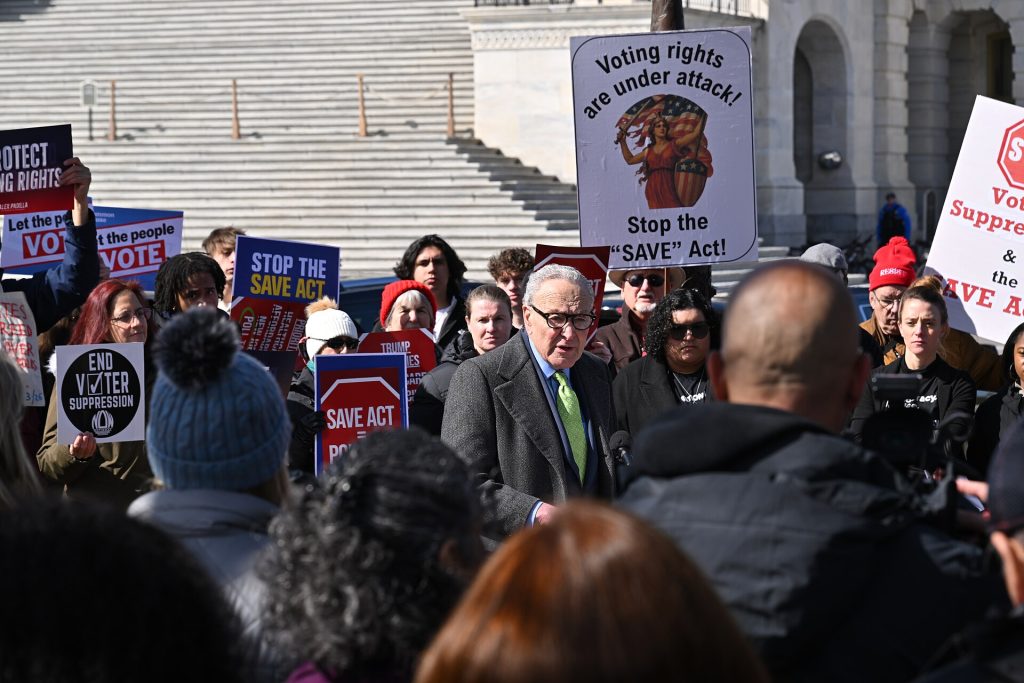
WASHINGTON, United States: Democrats won control of both the House of Representatives and the Senate in the November 3 midterm elections, the Associated Press reported, flipping Senate seats in states long considered safe for Republicans. In Kansas, Adam Hamilton became the first Democrat to win a Senate race in the state in 94 years.

Democrats needed a net gain of only three House seats to win the majority, NBC News reported, and won many more, mostly in districts President Donald Trump carried in 2024. NBC said the result could be the party’s largest House majority in nearly two decades.

Graphic: Brimco. Source: AP, NBC News projections, as of Nov 4, 2026. Counts are projected, not final.
NBC News projects about 255 Democratic House seats, a figure that could still change by a few seats. Seat totals in both chambers remain projections until every race is called.
In the Senate, Roy Cooper defeated Republican Michael Whatley in North Carolina, Talarico defeated Ken Paxton in Texas, becoming the first Democrat to win a Senate election there since 1988, Andrews defeated appointed Sen. Darline Graham in South Carolina, and Hamilton unseated Sen. Roger Marshall in Kansas, according to Roll Call. The new Congress takes office in January 2027.
Tariffs and trade. Democrats want to undo or limit President Trump’s tariffs. House Democratic leader Hakeem Jeffries has named reversing the tariff regime as an early priority, PBS NewsHour reported. Republicans in the administration want to keep tariffs, which the White House says encourage companies to bring jobs and production back to the United States, ABC News reported.
Spending and taxes. Democrats want to restore Affordable Care Act tax credits that expired in 2025 and reverse Medicaid cuts in the One Big Beautiful Bill Act, according to PBS and the Chicago Council on Global Affairs. Republicans want to keep that law’s tax cuts, which they campaigned on as their main legislative achievement, the AP reported.
Foreign aid. Democrats want to keep funding humanitarian, health and development programmes through the State Department and increase oversight of aid, The Africa Report reported. The administration has shut down the US Agency for International Development and moved to bilateral aid deals made directly with foreign governments, according to the same report.
Most bills still need 60 votes in the Senate, and President Trump can veto legislation.
Treasury yields dipped and the dollar weakened as results came in during Asian trading, while US stock futures fell before paring losses, Reuters reported.
“Markets appear to be pricing in the possibility of a stronger-than-expected Democratic showing, which could reduce expectations for further fiscal stimulus. That helps explain the softer dollar and pressure on equities,” Saxo strategist Charu Chanana told Reuters.
Tai Hui of J.P. Morgan Asset Management told Reuters that divided government is likely to keep fiscal deficits more limited, while the president can still influence markets through “trade and tariffs, foreign policy, and existing regulations”.
Congressional aides expect a push to roll back tariffs, while the White House is likely to keep pursuing new tariff actions, the Straits Times reported.
Congress writes the law behind the African Growth and Opportunity Act, the US trade preference programme for eligible African exporters. Washington has removed South Africa and Rwanda from the programme, The Africa Report reported.
A Democratic Congress could give African governments more room to press for AGOA renewal and against new tariffs, though any change would need legislation and could face a presidential veto.
A weaker dollar, if it lasts, would ease the cost of dollar debt for African governments, but would also reduce the pula value of Botswana’s dollar-priced diamond sales. Aid funding for health and development programmes could be reviewed by the new Congress. None of these outcomes is certain, and each depends on what the new Congress passes after January.

Written by
Tumisang Bogwasi, Founder & CEO of Brimco. 2X Award-Winning Entrepreneur. It all started with a popsicle stand.


