Global inflation remains stubborn as energy price volatility, high labor demand, and structural housing deficits challenge central bank targets worldwide.
WASHINGTON, United States – Global inflationary pressures remain persistent as structural shifts in energy and labor markets outpace aggressive monetary tightening efforts. While central banks have maintained restrictive interest rates to cool overheating economies, a combination of supply chain disruptions and resilient demand continues to keep consumer price indices elevated.

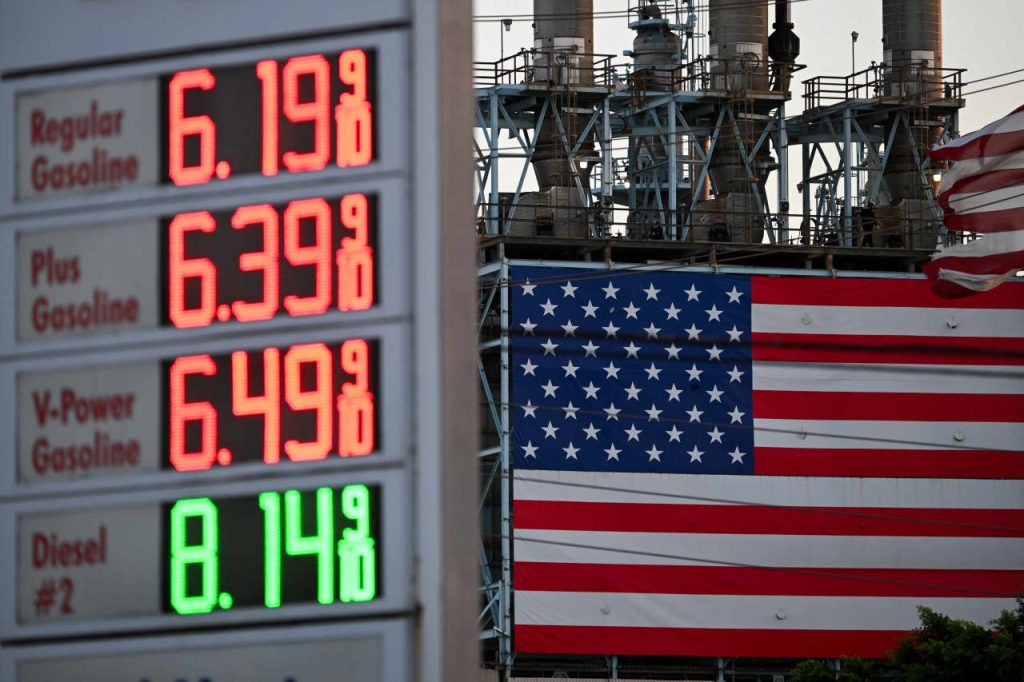
The most immediate contributor to consumer inflation remains the volatility of global energy markets. Geopolitical tensions in key oil-producing regions continue to create price premiums that fluctuate. When crude oil fluctuates, the impact ripples through the transportation and manufacturing sectors, increasing the cost of goods for consumers. According to data from MarketWatch, local gas station prices serve as a primary indicator for household-level inflationary pressure.
A second critical driver is the unexpectedly resilient labor market. In many developed economies, demand for skilled labor has outpaced supply, leading to significant nominal wage growth. While higher wages benefit workers, businesses often pass these costs onto consumers to maintain profit margins. This cycle makes it difficult for central banks to reach their 2% inflation targets. The Bureau of Labor Statistics highlights how service costs remain a major factor in the persistence of the consumer price index.
Finally, the housing market remains a stubborn component of core inflation. In several major urban centers, the supply of new residential construction has not kept pace with population growth. High interest rates were intended to cool demand, but the fundamental lack of inventory keeps rental prices and home values elevated. As housing represents a significant portion of the household budget, its failure to decline creates a floor for overall inflationary figures.
These factors suggest that the path to price stability will be nonlinear rather than linear. Central banks may be forced to keep interest rates higher for longer periods to ensure these structural drivers eventually dissipate. Investors should monitor energy supply chains and labor participation rates as primary leading indicators of the next inflationary shift.

Written by
Tumisang Bogwasi, Founder & CEO of Brimco. 2X Award-Winning Entrepreneur. It all started with a popsicle stand.