Kenya, Tanzania, and Uganda are accelerating infrastructure projects and stadium renovations to meet CAF standards for the 2027 Africa Cup of Nations while balancing fiscal risks and cross-border logistics.
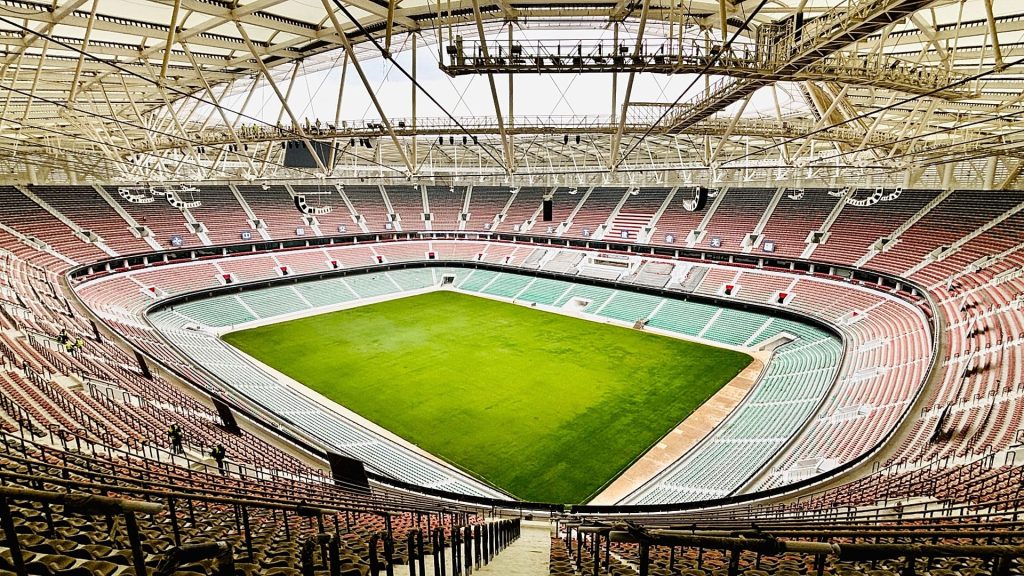
NAIROBI, Kenya – Kenya, Tanzania, and Uganda accelerated public works contracts to satisfy Confederation of African Football venue benchmarks before the 2027 Africa Cup of Nations. The joint hosts face compressed construction schedules across regional transport networks and sports venues.

The hosting consortium centers capital outlays on upgrading existing municipal facilities to international tournament specifications. Kenyan authorities designated Kisumu Stadium and the national stadium for major overhauls, while Tanzanian contractors expand Benjamin Mkapa Stadium in Dar es Salaam. These public works commitments increase pressure on national budgets facing tight fiscal constraints.
Logistical coordination across borders remains an operational risk as construction deadlines tighten, African News reporting shows. The governing body retains authority to reassign tournament fixtures if regional venues fail mandatory inspection targets. Host administrations maintain their unified development strategy to anchor broader economic integration.
Shared tournament hosting acts as a practical trial for intra-regional mobility under African Continental Free Trade Area principles. Connecting cross-border transit routes could unlock private investment across hospitality, aviation, and logistics corridors. Regional trade velocity depends on whether customs systems support frictionless transit during peak sports traffic.
Multilateral development institutions continue monitoring sovereign debt sustainability as capital projects demand front-loaded public expenditure. Treasury officials must balance debt servicing against high-visibility civil engineering outlays to preserve macroeconomic stability. The coming quarters will determine whether the joint capital pipeline yields durable commercial infrastructure.

Written by
Tumisang Bogwasi, Founder & CEO of Brimco. 2X Award-Winning Entrepreneur. It all started with a popsicle stand.