Eskom Holdings has announced the formation of Eskom Green, a new unit aimed at bolstering South Africa's renewable energy capacity and diversifying the national power utility's generation portfolio.

JOHANNESBURG, South Africa — Eskom Holdings SOC Ltd., South Africa’s state-owned electricity utility, has announced the formation of Eskom Green, a dedicated renewable energy unit slated to operate as a wholly-owned subsidiary.
The initiative aims to enhance the nation’s power generation capacity and accelerate its transition toward sustainable energy sources. This strategic move is intended to address South Africa’s persistent energy challenges and align with global decarbonization efforts.

Eskom Green will initially function within Eskom Holdings’ operational framework, benefiting from existing infrastructure and expertise. The planned transition to a wholly-owned, autonomous subsidiary underscores a long-term vision for the unit to independently develop, operate, and manage renewable energy projects across South Africa. This structure aims to foster agility and attract specialized investment in green energy initiatives.
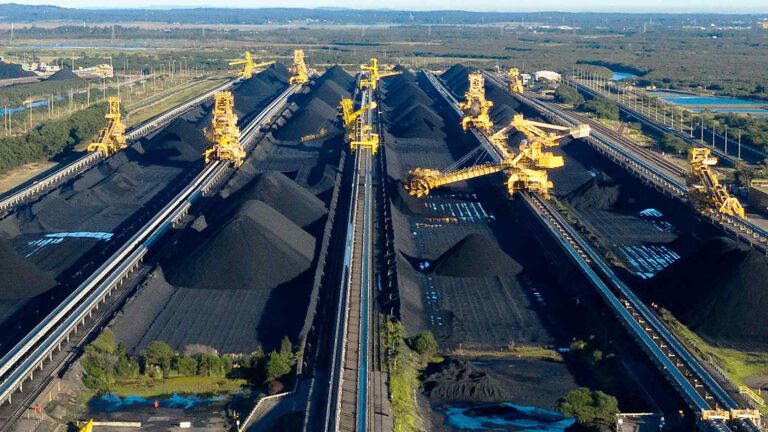
The establishment of Eskom Green represents a critical component of Eskom’s strategy to address South Africa’s chronic electricity supply shortages. By diversifying its generation mix away from a heavy reliance on coal, Eskom seeks to improve grid stability and reduce operational costs associated with aging fossil fuel infrastructure. This aligns with South Africa’s Integrated Resource Plan 2019 (IRP 2019), which projects significant growth in renewable energy capacity.
South Africa has faced severe load shedding for over a decade, impacting economic growth and industrial output. The move to establish a dedicated renewable unit is a direct response to this crisis, leveraging the country’s abundant solar and wind resources. Industry analysts suggest that this initiative could unlock substantial private sector investment in renewable projects, supplementing Eskom’s own generation capabilities.
The new unit is expected to focus on utility-scale renewable energy projects, potentially including solar photovoltaic plants, wind farms, and battery storage solutions. Such developments could contribute significantly to the national grid, reducing the reliance on Eskom’s existing coal-fired power stations and their associated environmental impact. This strategic pivot may also position Eskom to access green financing mechanisms and carbon credits.
Eskom Green’s mandate extends beyond power generation, aiming to foster local content development and job creation within the renewable energy sector. By developing domestic capabilities in the manufacturing, installation, and maintenance of green energy infrastructure, the unit could stimulate economic activity and build a skilled workforce aligned with future energy demands. This strategic direction is supported by initiatives from organizations like the South African Renewable Energy Technology Centre (SARETEC).

The establishment of Eskom Green positions South Africa as a potential leader in renewable energy development within Sub-Saharan Africa. Successful implementation of this model could inspire other state-owned utilities in the region to pursue similar diversification strategies, promoting energy independence and regional grid stability. Investment flows into South African green projects could also attract broader capital interest in the continent’s renewable sector.
This initiative has the potential to attract significant foreign direct investment into South Africa’s energy infrastructure. International development banks and climate finance institutions are increasingly prioritizing renewable energy projects in emerging markets. Eskom’s strategic shift could unlock access to these capital pools, facilitating technology transfer and boosting the country’s economic resilience. The broader African Continental Free Trade Area (AfCFTA) framework could also benefit from enhanced regional energy security.
Eskom’s move signals a robust commitment to climate action, potentially influencing regional energy policy frameworks. As a major economy on the continent, South Africa’s energy transition efforts can set precedents for regulatory environments, carbon pricing mechanisms, and cross-border energy trading agreements, fostering a more integrated and sustainable regional energy market.

Written by
Tumisang Bogwasi, Founder & CEO of Brimco. 2X Award-Winning Entrepreneur. It all started with a popsicle stand.