


Copper cathode output at the Arizona mine rose 71% in the third quarter. About US$14.7 million of the US$36.1 million revenue came from deferred demonstration-service income linked to Rio Tinto's Nuton.
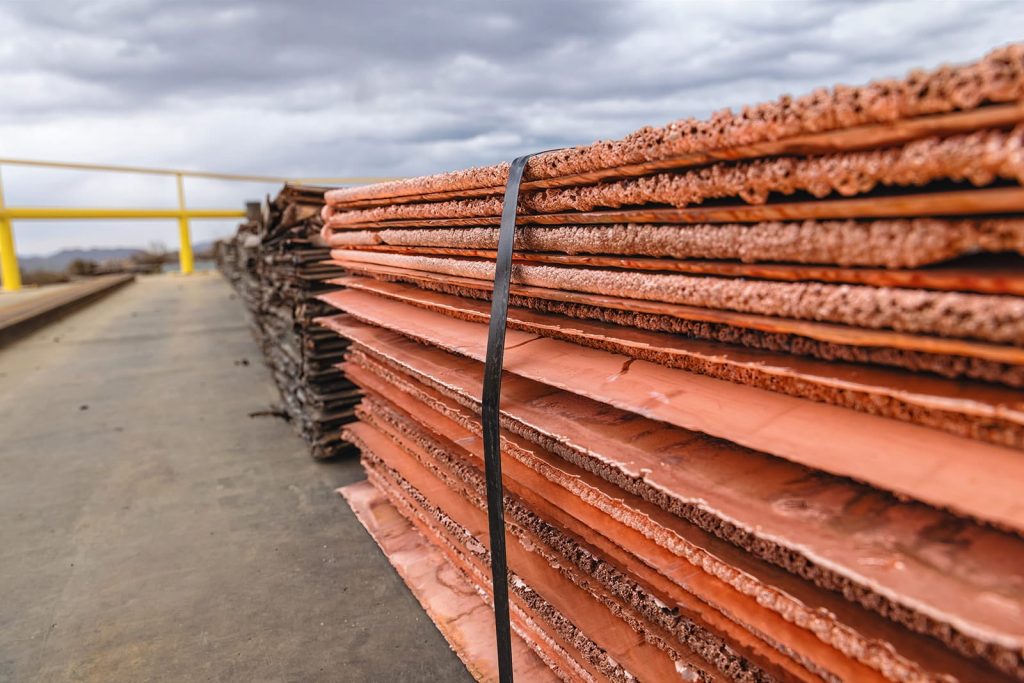
PHOENIX, Arizona – Gunnison Copper said on 13 November that third-quarter revenue rose 53% from the previous quarter to US$36.1 million, after its Johnson Camp Mine in Arizona reached commercial production in September.

The Phoenix-based company, listed in Toronto and on the NYSE American, reported net income of US$12.7 million, or 3 US cents a share, for the three months to 30 September.
Johnson Camp produced about 3.42 million pounds of copper cathode in the quarter, up from 2.01 million pounds in the second quarter. Cathode sales rose 46% to about 3.31 million pounds at an average realised price of US$6.41 a pound, compared with 2.26 million pounds at US$6.07 a pound in the previous quarter.
Unit costs at the solvent extraction and electrowinning (SX/EW) plant fell to US$0.56 a pound of copper produced, from US$0.76, as higher volumes spread fixed processing costs, the company said. Mining costs rose to US$4.93 a ton mined from US$4.71 because less total material was moved.

Not all of the quarter’s revenue came from selling copper. According to the company’s management discussion, copper cathode sales brought in about US$21.3 million, while US$14.7 million was deferred revenue for mining and processing demonstration services, linked to Johnson Camp’s partnership with Rio Tinto’s Nuton copper-leaching business. Reported net income also included non-cash fair-value adjustments on the Nuton Stage 2 payable and copper stream derivatives.
Gunnison and Nuton expanded the Johnson Camp Stage 2 mine plan during the quarter, adding about 3 million tons of mineralised material to be mined between 2027 and 2029. Nuton paid Gunnison an additional US$8 million under the revised agreement, received in October.
Gunnison ended September with US$23.5 million in cash, including US$7.4 million of Nuton-related cash. It now has no debt after the Triple Flag convertible debenture was converted on 30 September, following the earlier settlement of its Nebari and Greenstone obligations. Its shares began trading on the NYSE American on 26 October.
The company is targeting nameplate production of 25 million pounds of copper cathode a year at Johnson Camp by the end of 2026. At its larger Gunnison Copper Project, it is drilling up to 120 holes and targets a final technical report in the second half of 2028. It aims to have approval for an amended reclamation plan before the end of 2026.
For buyers of refined copper and suppliers to US mining, Johnson Camp is a small but growing domestic source of cathode. Gunnison says its output goes into US technology and defence supply chains, with Amazon Web Services the first announced customer for Nuton copper. Gunnison is one of several miners trying to profit from record copper prices and from US efforts to secure domestic supply, as with Rio Tinto’s planned Arizona copper mine. The real test is whether the mine can hold nameplate output and lower unit costs once demonstration-service revenue falls away.

Written by
Nonofo Joel, a Business Analyst at Brimco, has a passion for mineral economics and business innovation. He also serves on the Lehikeng Board as a champion of African human capital growth.


