


The Hong Kong Fire Services Department has extended its smart fire alarm installation scheme to 6,000 older buildings, though officials report zero completions since the initial rollout.
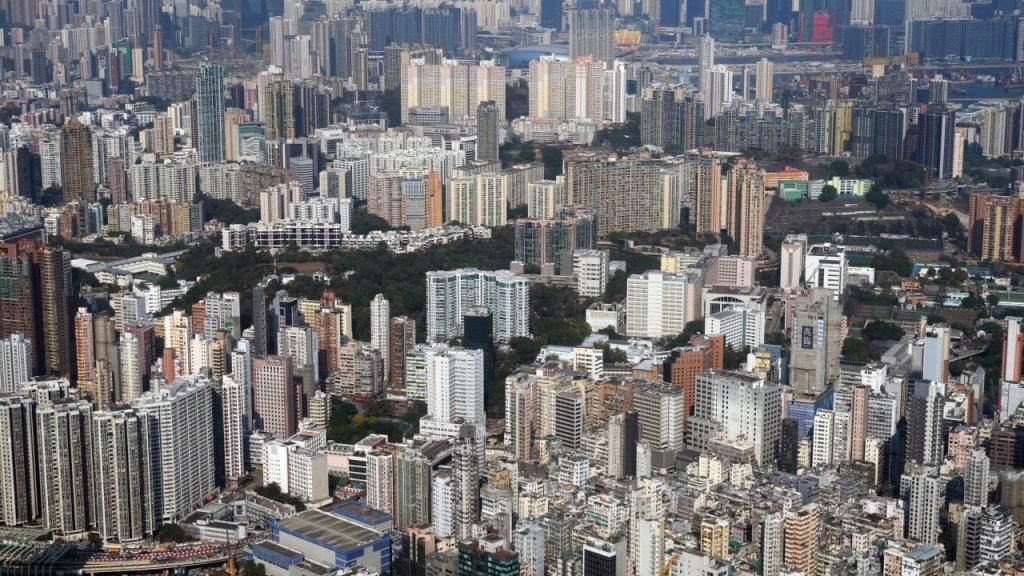
HONG KONG, China: The Hong Kong Fire Services Department has officially expanded its smart fire alarm scheme to include an additional 6,000 older buildings across the territory. The initiative aims to modernize safety protocols in high-density residential areas by replacing traditional safety equipment with smart technology. Despite the expansion, officials admitted that no installations have been completed since the policy was launched five months ago for earlier blocks.
Lai Kin-mo, acting deputy chief fire officer for building improvement, stated on Wednesday that 300 buildings have expressed formal interest in the new system. The technology is designed to provide real-time alerts to property owners, potentially reducing response times in older structures where legacy systems often fail. However, the lag between interest and physical installation remains a significant hurdle for urban safety management.

The expansion comes as Hong Kong faces pressure to upgrade aging housing stock. Many of the targeted buildings lack the space or electrical infrastructure required for modern fire suppression retrofitting. By incentivizing smart systems, the government hopes to lower the barrier to entry for owners who cannot afford comprehensive structural overhauls.
ith current slow adoption rate highlights the financial and logistical complexities faced by private building management. While the smart systems offer remote monitoring capabilities, the cost of integration into outdated architectural designs remains a deterrent. The Fire Services Department is now evaluating how to better bridge the gap between expressed interest and actual execution.
The move aligns with broader trends in East Asian hubs toward utilizing IoT to manage risks in dense urban environments. As Hong Kong continues its urban renewal, the integration of digital monitoring into public safety frameworks is a priority for city-led initiatives. If the scheme gains traction, it could provide a blueprint for managing aging residential infrastructure across the Asia-Pacific region.

Written by
Tumisang Bogwasi, Founder & CEO of Brimco. 2X Award-Winning Entrepreneur. It all started with a popsicle stand.


