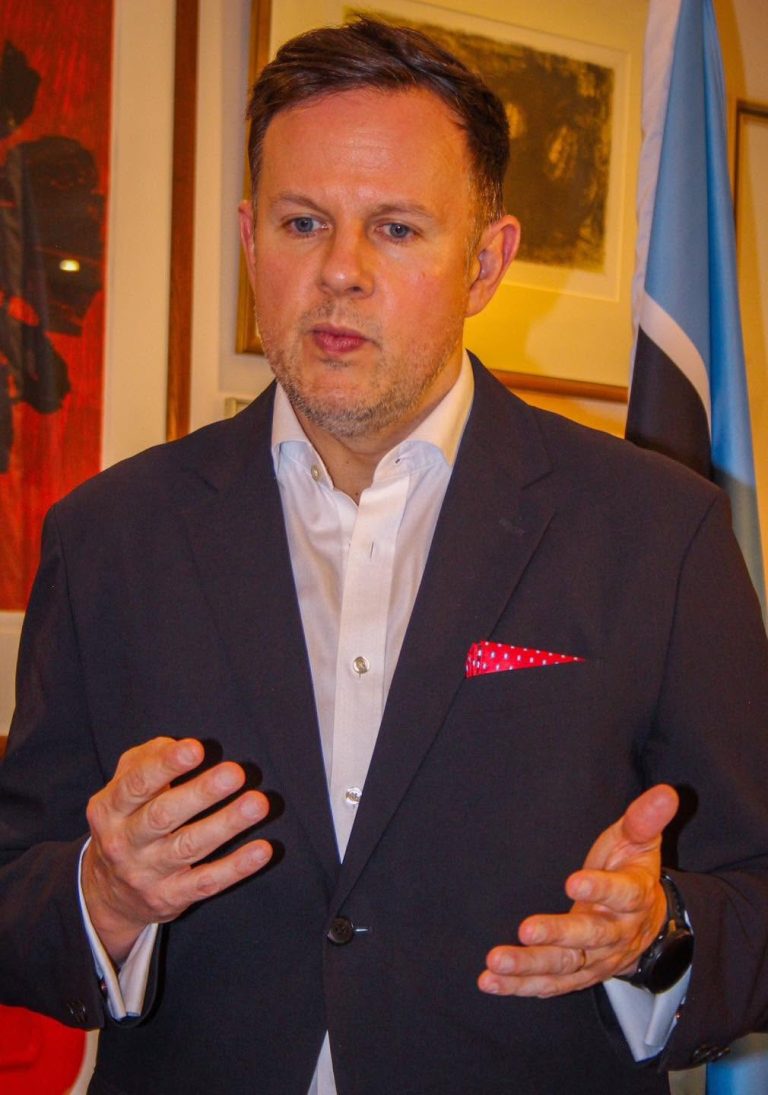
Former Botswana President Ian Khama stated the national government has not intervened or objected to his criticism of regional leaders, including Zambian President Hakainde Hichilema, preserving Gaborone's formal foreign policy stance.

GABORONE, Botswana : Former President Ian Khama confirmed that the national administration raised no objections against his public commentary regarding regional leaders in a Gazette Botswana report. His remarks addressed criticism directed at Zambian President Hakainde Hichilema, asserting that personal political speech does not compromise the Republic’s diplomatic posture.

The political friction between the former head of state and the current administration introduces fresh scrutiny to Botswana’s diplomatic positioning across southern Africa. Because the domestic economy relies heavily on diamond mining ventures for fiscal stability, diplomatic predictability remains essential to sustain foreign investment into local capital markets. Institutional investors continue to evaluate domestic stability against regional sovereign debt and commodity market dynamics.
The central bank continues to monitor macroeconomic balances alongside currency stability against regional inflationary pressures. Officials in Gaborone adhere to strict diplomatic neutrality to protect the nation’s trading corridor within the Southern African Development Community bloc. This posture shields cross-border commercial arrangements and regional logistics networks from bilateral political disagreements.
Khama targeted his commentary toward Zambian President Hakainde Hichilema, exposing contrasting viewpoints regarding regional governance standards. The absence of formal executive intervention reflects a clear separation between private expression and sovereign foreign policy within the constitutional democracy. Analysts view this boundary as a mechanism to prevent individual political statements from altering formal interstate engagements.
Government leadership remains focused on long-term diversification initiatives alongside mineral revenue management to meet national expenditure commitments. Authorities treat ongoing commentary by former officials as private discourse rather than formal foreign policy changes that could disrupt bilateral commerce. Preserving stable diplomatic relations ensures continued regional cooperation on energy, transport, and border security.

Written by
Tumisang Bogwasi, Founder & CEO of Brimco. 2X Award-Winning Entrepreneur. It all started with a popsicle stand.