Japan's Government Pension Investment Fund continues to act as a stabilizing anchor for global financial liquidity amid market volatility, deploying its USD 1.6 trillion portfolio to mitigate regional capital flight.
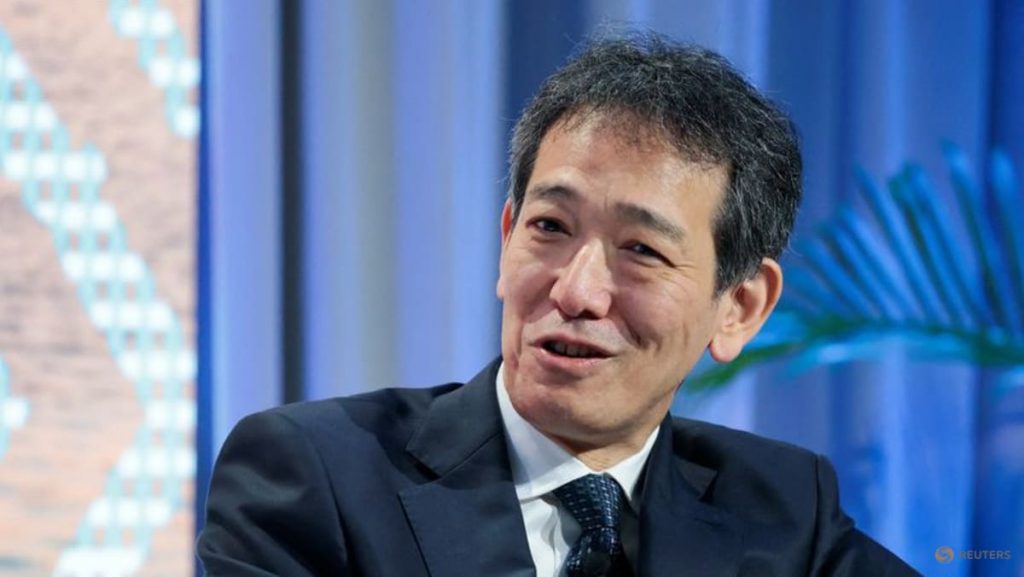
TOKYO, Japan — The Government Pension Investment Fund reinforces international financial liquidity during periods of heightened asset volatility, Chief Investment Officer Hiroyasu Mimura outlined in a Channel News Asia briefing. The pension system leverages its multi-trillion-dollar scale and disciplined rebalancing mandate to absorb market shocks.

Global asset managers track the fund’s capital movements across domestic and foreign debt instruments. Managing assets exceeding USD 1.6 trillion, the institution cushions broader market sentiment against sudden liquidations. Its long-term investment horizon dampens sharp pricing swings across Asian and Western trading hubs.
The portfolio maintains extensive diversification across domestic equities, foreign stocks, and sovereign debt markets. This structural deployment ensures consistent capital distribution into primary financial centers including Singapore, Tokyo, and London. Constant foreign exposure also shields Japanese retirement capital from domestic demographic headwinds.
Institutional mandates require periodic asset rebalancing when volatile price movements distort target allocations. The fund absorbs sudden equity selloffs by purchasing discounted shares to restore fixed portfolio weightings. This programmatic buying acts as an effective circuit breaker during coordinated market drawdowns.
Regional central banks and sovereign wealth managers monitor the fund as an asset management benchmark. When private capital retreats from Southeast Asian markets, stable Japanese pension investments provide a reliable valuation baseline. This dynamic restrains borrowing costs for developing economies reliant on sustained external financing.
Currency stability across ASEAN economies benefits from predictable cross-border institutional capital allocations. Consistent sovereign investment limits the velocity of disruptive dollar outflows during US monetary tightening cycles. Local corporate issuers consequently retain market access during broader regional liquidity squeezes.
Mimura’s division implements continuous stress testing to evaluate shifts in benchmark interest rates. Systematic risk modeling ensures the fund fulfills future statutory pension distributions without liquidating assets under distress. Broad asset diversification prevents portfolio concentration risks common among smaller regional asset managers.
As global central banks adjust policy rates, institutional anchors become essential for cross-border settlement. The fund’s avoidance of panic selling reinforces global financial architecture during severe drawdowns. Stable public capital deployment maintains debt liquidity across both mature and emerging markets.

Written by
Tumisang Bogwasi, Founder & CEO of Brimco. 2X Award-Winning Entrepreneur. It all started with a popsicle stand.