A South African think tank says it would take 200 years to replace the city's ageing pipes at the current pace, while businesses and households turn to tanks and boreholes.
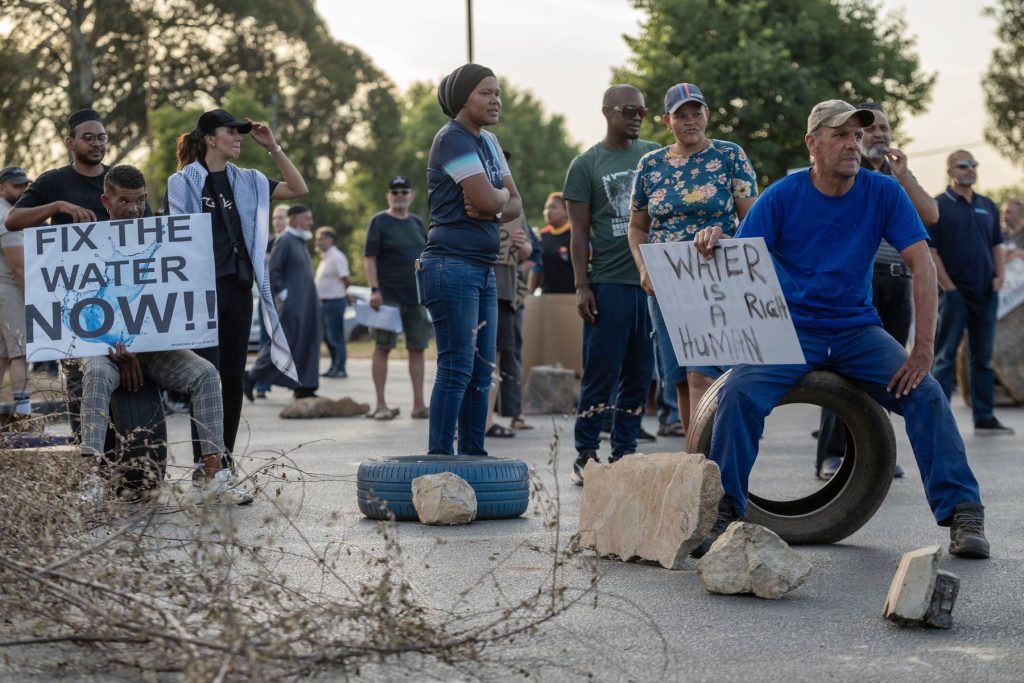
JOHANNESBURG, South Africa – Johannesburg faces a R26.6 billion ($1.57 billion) water-infrastructure renewal backlog and loses about half the water it pumps to leaks, while shortages are disrupting households and businesses in a city of 6.2 million that is home to Africa’s biggest stock exchange, Bloomberg reported on 30 October.

The estimates for the backlog and the 200-year replacement pace come from the Centre for Development and Enterprise, a South African think tank, according to the Bloomberg report published by Moneyweb. Around half of the water the city pumps is lost to leaks.
South Africa’s constitution, which entered into force in 1997, enshrined a right to sufficient water. More than 82% of households were connected to the network in 2022, a third more than at the end of apartheid, the report said.
Access has not meant reliable supply, especially in water-scarce urban centres such as Johannesburg, because administrations failed to set aside enough revenue to reinvest in infrastructure, said Susan Booysen, director of research at the Mapungubwe Institute for Strategic Reflection.
The municipal council declined to comment and referred questions to Johannesburg Water. Spokesperson Nombuso Shabalala said the company has “short, medium, and long-term plans to alleviate delivery issues,” including repairs to leaking reservoir and tower infrastructure and leak detection. Illegal connections, theft and vandalism are among “myriad challenges” affecting the nation’s water supply, she said.
As authorities try to curb usage at the national government’s request, they have introduced punitive tariffs and reduced pressure or flow, Bloomberg reported. In Sandton, signs outside office blocks, including Nedbank, advertise borehole water. City authorities have received 825 borehole applications since October 2025.
Installing such systems can cost R60,000 to R120,000.
Anthony Kaziboni, a senior researcher at the University of Johannesburg, warned of a “two-tier water system” in an already unequal society. In Gauteng, 12% of the poorest households experience weekly interruptions, compared with 1% of those earning over $3,000 a month, he said.
Johannesburg Water said problems in areas including Westbury and Melville are linked to the “Commando System,” a network of reservoirs that serves densely populated districts, hospitals and universities and depends on water being pumped uphill from Rand Water facilities.
Businesses have also been hit: one property manager told Bloomberg that when municipal supply fails and backup tanks run dry, tenants “have to close shop and lose revenue.”

Written by
Tumisang Bogwasi, Founder & CEO of Brimco. 2X Award-Winning Entrepreneur. It all started with a popsicle stand.