


Pakistan's domestic liquefied petroleum gas prices surged 56 percent following cross-border trade disruptions with Iran, squeezing commercial transport operators and highlighting structural energy security risks across emerging markets.
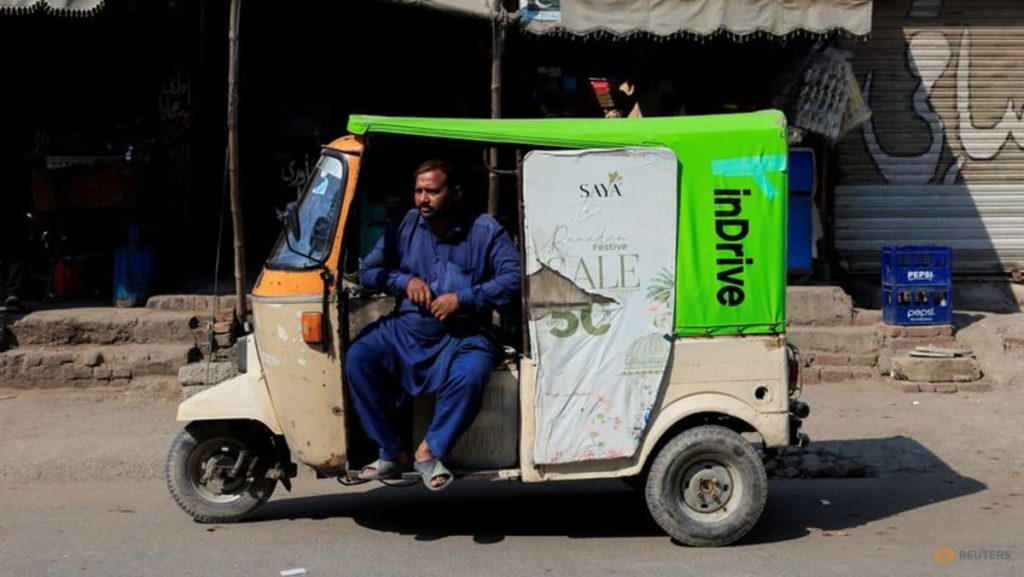
Islamabad, Pakistan: Liquefied petroleum gas prices surged 56 percent across domestic retail hubs after cross-border supplies from Iran halted, straining urban transport operators and intensifying regional energy vulnerabilities.

The price surge exposes the operational fragility of unhedged energy import corridors across developing economies. Retail cylinder costs advanced to 7,000 Pakistani rupees amid transit halts along the Iranian border, as detailed in Channel NewsAsia market reporting. This price transmission illustrates how vulnerable downstream distribution remains when physical transit routes experience sudden geopolitical or administrative interruptions.
Commercial three-wheeler operators face immediate margin compression as daily fuel overhead expands faster than municipal fare structures can adjust. Drivers operating on narrow margins must absorb higher overhead or risk passenger attrition by raising tariffs. Sustained energy inflation in the urban transit segment threatens to depress discretionary mobility and curtail informal enterprise revenues.
Unregulated fuel retail channels accelerate price volatility across major metropolitan centers during supply pinches. While formal distributors face licensing mandates, roadside secondary sellers adjust rates dynamically in response to localized hoarding and terminal inventory shortages. The resulting market friction increases working capital requirements for low-income fleet operators who lack long-term procurement contracts.
The immediate catalyst stems from the closure of the Iran-Pakistan frontier, which halted tanker truck deliveries from Iranian refining assets. Traders confirmed that local terminal inventories depleted within days of the transit shutdown, triggering acute spot shortages. Alternative overland corridors remain constrained by logistical bottlenecks, limiting rapid fuel substitution.
Refinery disruptions among regional trade partners highlight persistent vulnerabilities in unhedged spot-market purchasing strategies. Without strategic domestic reserves or buffered inventory facilities, local markets experience near-instantaneous price shocks whenever primary transit checkpoints close. Importers must now negotiate alternative overland freight routes or await administrative resolutions to restore cross-border trade flows.
The disruption underscores the broader fiscal and monetary strain facing energy-deficit developing nations. When domestic fuel prices surge unexpectedly, central banks confront renewed pressure on consumer price indexes, complicating interest rate normalization paths. Foreign exchange reserves also face compounding pressure if state entities must finance higher-cost emergency seaborne fuel cargoes to offset land-route shortfalls.
Emerging markets face comparable regulatory hurdles, with peer nations such as Botswana implementing national pricing frameworks by December 2026 to counter import vulnerability. Botswana, where annual LPG demand exceeds 21,000 tonnes across five dominant distributors, is formalizing controls to buffer end users from downstream price spikes. For import-dependent economies, establishing structured tariff oversight and strategic storage reserves remains essential to absorb geopolitical trade shocks.

Written by
Tumisang Bogwasi, Founder & CEO of Brimco. 2X Award-Winning Entrepreneur. It all started with a popsicle stand.


