Officials are discussing a 50 billion to 60 billion reais spending adjustment for 2027 and a path to a 1.5% primary surplus, according to people familiar with the talks.
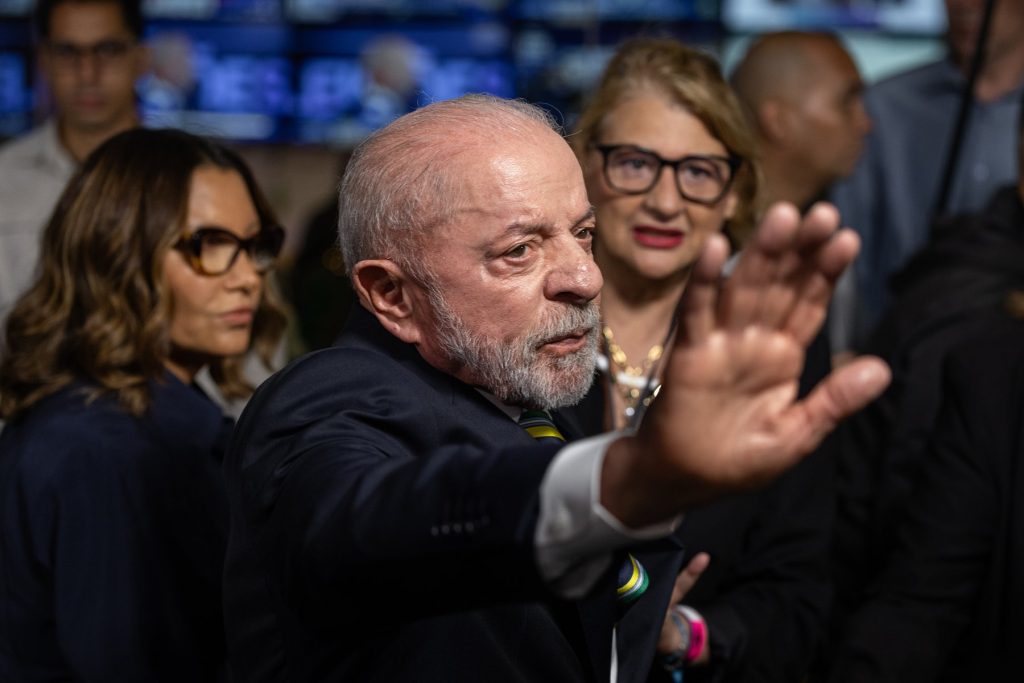
BRASILIA, Brazil – President Luiz Inácio Lula da Silva’s economic team is preparing to send proposals to Congress by next week to show investors how the government intends to meet its fiscal targets, people familiar with the matter told Bloomberg.

Officials have been discussing spending restraints with lawmakers that could amount to an adjustment of 50 billion to 60 billion reais ($10.7 billion) in 2027 compared with this year’s budget, one person said, speaking on condition of anonymity because the talks are private.
The measures are meant to give the government more room to freeze spending if fiscal targets are at risk, the person said. Another part of the package would stop extraordinary revenue from automatically raising constitutionally required minimum spending on health and education. A similar rule already applies in years when the government runs a primary deficit, and officials are considering extending it to years when it posts a surplus.
Members of the economic team have discussed the proposals with lawmakers in recent days, the people said. The finance ministry did not immediately respond to a request for comment sent outside normal business hours.
Lula has been advised to move quickly to reassure financial markets after his reelection unsettled investors who had expected a change in economic policy, Bloomberg reported. His campaign stimulus measures had already raised concerns that fiscal policy could stay loose in the new term, which begins on 5 January.
Investors are pressing for concrete steps as Brazil’s nominal budget deficit hovers near 10% of GDP and public debt climbs to a record. The approach under discussion is a gradual adjustment aimed at a primary budget surplus of 1.5% of GDP, excluding interest payments, by the end of Lula’s next four-year term, rather than an abrupt tightening of the kind allies associate with Dilma Rousseff after her 2014 reelection.
Lula has also been advised to announce quickly who will lead his economic team. Allowing the current team to advance the talks with Congress has reinforced expectations of continuity when the new term starts.
Meeting the goals could get harder if conditions worsen. High oil prices could complicate efforts to unwind fuel subsidies that are costing the government about 15 billion reais a month, Bloomberg said, while slower growth could weigh on tax revenue.

Written by
Tumisang Bogwasi, Founder & CEO of Brimco. 2X Award-Winning Entrepreneur. It all started with a popsicle stand.