Bamako, Mali, has implemented a mandatory motorcycle registration policy aimed at enhancing security and boosting state revenue. The new regulation introduces significant economic friction for the city's vast informal sector, where motorcycles are a primary means of livelihood and transport for thousands of families, raising concerns about compliance costs and reduced earnings for operators.
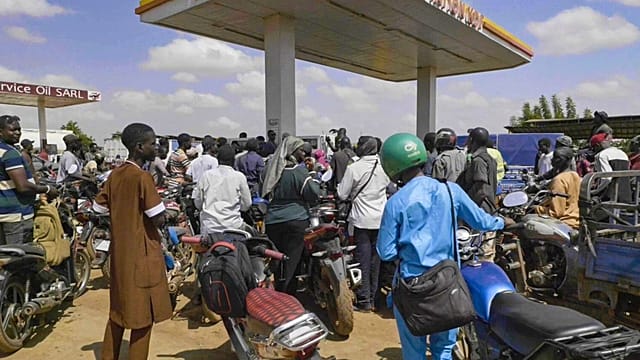
BAMAKO, MALI – Mali’s capital city has initiated a mandatory motorcycle registration program, a move intended to enhance public security and formalize revenue collection, according to local authorities. This new regulatory framework, however, poses considerable economic challenges for a significant portion of Bamako’s informal economy, where motorcycles serve as essential tools for daily transport and commercial activity.

For tens of thousands of families in Bamako, motorcycles are not merely a mode of transportation but a vital instrument for economic survival. These two-wheelers facilitate everything from taxi services and goods delivery to commuting for informal vendors, underlining their deep integration into the city’s economic fabric. The introduction of mandatory registration now mandates formal compliance, including fees and documentation, for these operators.
The government’s rationale centers on improving urban safety and accountability, alongside increasing state revenue streams. Proponents argue that formal registration can help track vehicles, deter criminal activity, and create a more organized transport sector. However, the immediate impact on low-income operators, who often lack formal documentation or capital for registration fees, represents a significant hurdle.
Economists and local stakeholders express concerns that the new requirements could marginalize a segment of the workforce already operating on thin margins. The costs associated with registration, including official fees, potential penalties for non-compliance, and the time expended for administrative processes, could translate into reduced daily earnings or even force some operators out of business. This friction risks exacerbating economic precarity within Bamako’s informal sector.
Mali’s regulatory shift regarding motorcycle registration reflects a broader trend across sub-Saharan Africa, where governments grapple with formalizing large informal sectors to expand tax bases and improve public services. Similar initiatives in other West African nations have met with varying degrees of success and public resistance, often highlighting the delicate balance between regulation and economic livelihood.
The World Bank estimates that the informal sector constitutes a substantial portion of GDP and employment in many African economies Informal Economy in Africa, making its formalization a critical but complex policy objective.
The implementation in Bamako could serve as a case study for other regional capitals facing similar challenges with urban mobility and informal economic activities. While the policy aims to generate revenue and enhance security, its success will largely depend on mitigating the negative economic consequences for the most vulnerable populations.
The potential for reduced economic activity among small-scale entrepreneurs could also subtly affect local supply chains and consumer spending within the broader Malian economy, warranting close observation by regional economic bodies.

Written by
Tumisang Bogwasi, Founder & CEO of Brimco. 2X Award-Winning Entrepreneur. It all started with a popsicle stand.