Ivory Coast's elimination from the World Cup after a 2-1 defeat to Norway underscores the broader economic implications for African nations in global sporting events, highlighting discussions on national branding, investment, and sports development across the continent.
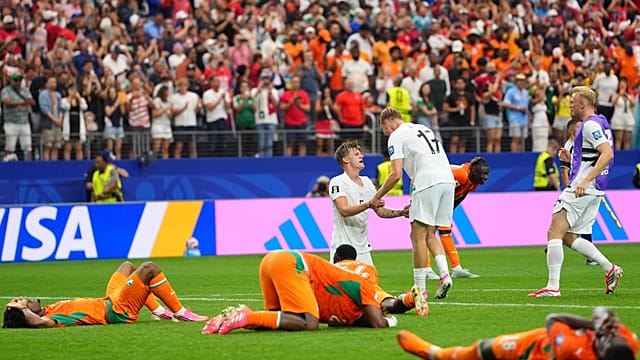
Abidjan, Ivory Coast – The Ivory Coast national football team’s World Cup campaign concluded with a 2-1 defeat to Norway in the knockout stage, marking their exit from the tournament. This outcome shifts focus towards the broader economic and national branding implications for African nations participating in high-profile global sports events. Erling Haaland scored the decisive goal for Norway in the 86th minute, securing their first World Cup knockout victory and advancing them to the round of 16.

Even without advancing deep into the tournament, participation in the World Cup brings significant global media exposure for nations. This exposure can generate interest in a country’s tourism sector, enhance its national brand, and subtly boost domestic consumer confidence.
Success or even prominent participation in global tournaments can significantly enhance a country’s international image. This elevated profile may indirectly attract foreign direct investment (FDI) or boost exports by increasing international recognition and perception of stability, according to analysis by the African Development Bank. The visibility gained from being on a global stage, regardless of the outcome, positions a nation in front of billions of viewers worldwide.
Beyond branding, World Cup participation also entails direct financial compensation from FIFA. While specific figures are tied to progression, even group stage participation provides significant prize money, which can be reinvested in local sports development programs and infrastructure, as detailed by Sporting News.
The performance of African teams at events such as the World Cup often catalyzes discussions regarding the state of sports infrastructure, youth academies, and coaching investment across the continent. Ivory Coast, known for producing top-tier footballing talent, represents the potential when robust development structures are in place, yet consistent global competitiveness remains a challenge for many nations.
Football, as the most popular sport, holds significant potential to contribute to the African Union’s Agenda 2063 goals. It fosters regional pride, encourages cross-border engagement, and can attract investment into related sectors like hospitality, media, and technology, thereby complementing broader economic integration initiatives such as the African Continental Free Trade Area (AfCFTA).
The performance of African teams at major international events like the World Cup serves as a barometer for the varying levels of sports investment and institutional support across the continent. Nations like Ivory Coast, with a strong footballing heritage, demonstrate the substantial talent pool and potential when foundational structures are present, offering valuable lessons for continental sports strategies.
The global visibility afforded by such tournaments, even in instances of early elimination, significantly contributes to the overall narrative of African nations on the international stage. This exposure can subtly influence perceptions of economic stability and investment-readiness among global business interests evaluating the continent’s diverse capital markets.
Sustained participation and improved competitive performance have the potential to catalyze greater private sector involvement in sports infrastructure, youth development, and sports tourism across Africa. This aligns directly with the broader economic diversification strategies many African economies are pursuing to reduce reliance on traditional sectors and foster new growth engines.

Written by
Tumisang Bogwasi, Founder & CEO of Brimco. 2X Award-Winning Entrepreneur. It all started with a popsicle stand.