NASA has allocated over $10 million in awards through its Minority University Research and Education Project (MUREP) Space Technology Artemis Research (M-STAR) initiative. These funds aim to enhance research and development capabilities at 10 Minority-Serving Institutions (MSIs) across the United States, focusing on critical technologies for lunar and deep space missions, including the Artemis program.
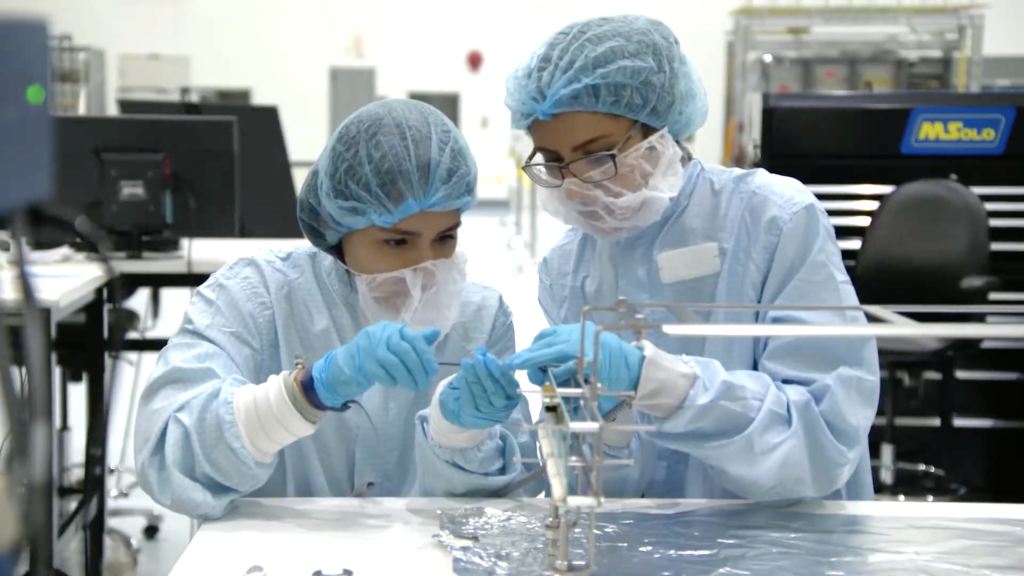
WASHINGTON, D.C., UNITED STATES – NASA has announced awards exceeding $10 million to bolster space technology research capacities at Minority-Serving Institutions (MSIs) nationwide. The funding, distributed through the agency’s Minority University Research and Education Project (MUREP) Space Technology Artemis Research (M-STAR) initiative, supports 10 institutions in developing innovative technologies essential for future lunar and deep space exploration efforts, including the Artemis program.

Each selected MSI will receive a cooperative agreement providing up to $1 million over three years, according to a NASA statement. This strategic investment is designed to integrate MSIs into NASA’s Space Technology Mission Directorate (STMD) research infrastructure, fostering a pipeline of talent and technology crucial for upcoming missions.
The M-STAR program targets research areas vital to NASA’s exploration objectives. These include advanced materials for spacecraft, autonomous systems, next-generation space propulsion, and robust power systems designed for lunar surface operations. Additionally, projects focus on in-situ resource utilization, which aims to leverage local materials on the Moon and Mars for sustenance and construction.
Institutions such as the University of Maryland Eastern Shore, the University of Texas at El Paso, and North Carolina A&T State University are among the recipients. Their research efforts are expected to contribute directly to the development of technologies needed for sustainable human presence on the Moon and eventual crewed missions to Mars, as outlined by the Artemis program goals.
This federal investment underscores a commitment to broadening participation in the U.S. aerospace sector. By empowering MSIs, NASA aims to tap into a wider pool of talent and innovative ideas, strengthening the nation’s scientific and technological leadership in space. The funding is expected to stimulate economic activity in the regions hosting these institutions through research grants and job creation.
The M-STAR awards also play a critical role in workforce development, preparing the next generation of engineers, scientists, and technicians. This aligns with national priorities to maintain a competitive edge in advanced technology fields and ensure a diverse, skilled workforce capable of addressing the complex challenges of space exploration and commercial aerospace expansion.

Written by
Tumisang Bogwasi, Founder & CEO of Brimco. 2X Award-Winning Entrepreneur. It all started with a popsicle stand.